Los Angeles Sankirtan
An example of spreading Krishna Consciousness is found in the activities of the devotees at the Los Angeles Radha Krishna Temple, who are engaged in a full program of Sankirtan throughout the greater Los Angeles area.
An example of spreading Krishna Consciousness is found in the activities of the devotees at the Los Angeles Radha Krishna Temple, who are engaged in a full program of Sankirtan throughout the greater Los Angeles area.
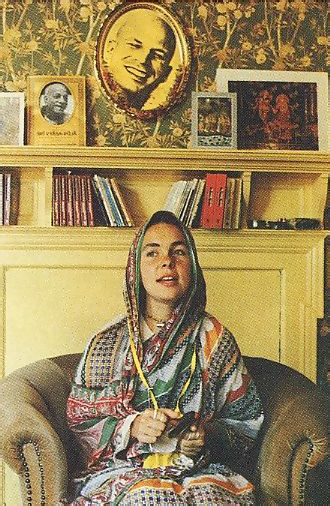
Lora Logic, the English punk-rock singer and saxophonist, is now a full-time devotee in the Hare Krsna movement.
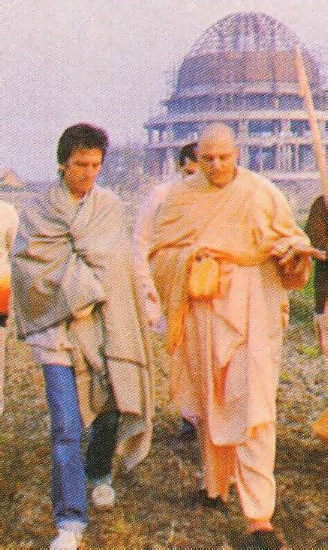
Former Beatle George Harrison, an old friend of the Hare Krsna movement, recently paid his first visit to the ISKCON center at this holy place of pilgrimage. George took part fully in the temple programs and toured the garden-filled grounds.
You can have BACK TO GODHEAD delivered to your home by mail every month. To take advantage of our special reduced-rate offer—and get a FREE GIFT besides—just fill out the attached postage-free card and drop it in the mail today.
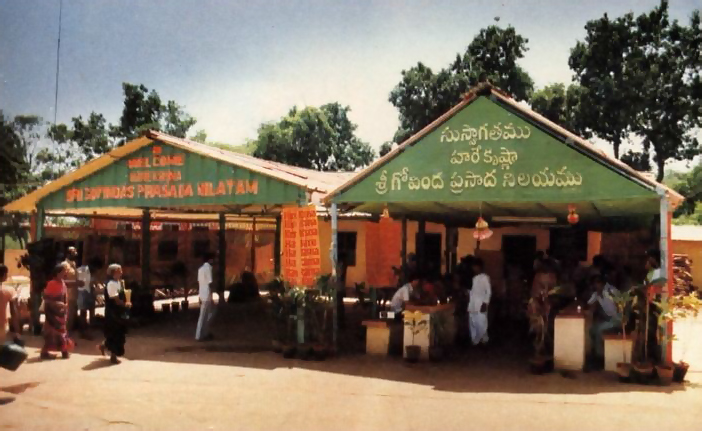
In Tirupati, along the seven-mile-long mountain path to the temple of Lord Venkatesvara (a form of Lord Krsna), pilgrims stop for rest and refreshment at the newly opened Govinda’s Restaurant.
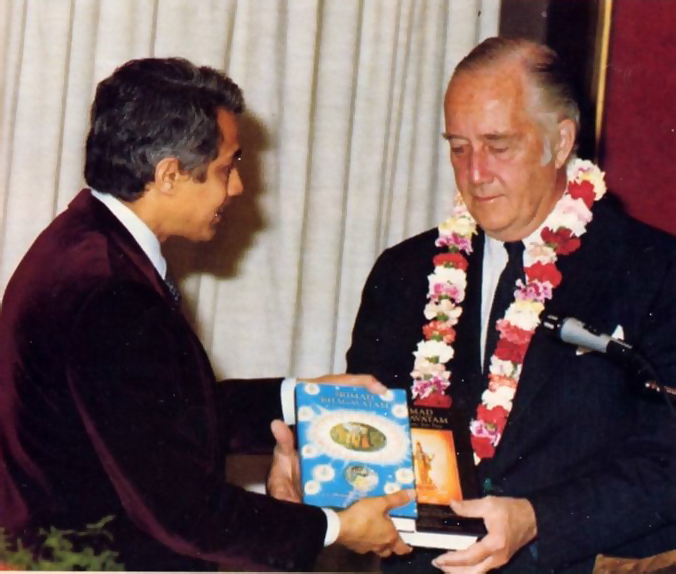
“I am overwhelmed,” said Senator Charles Mathias (R-Md.) recently upon receiving the Srimad-Bhagavatam from ISKCON life member Dr. Vibhakara Mody.
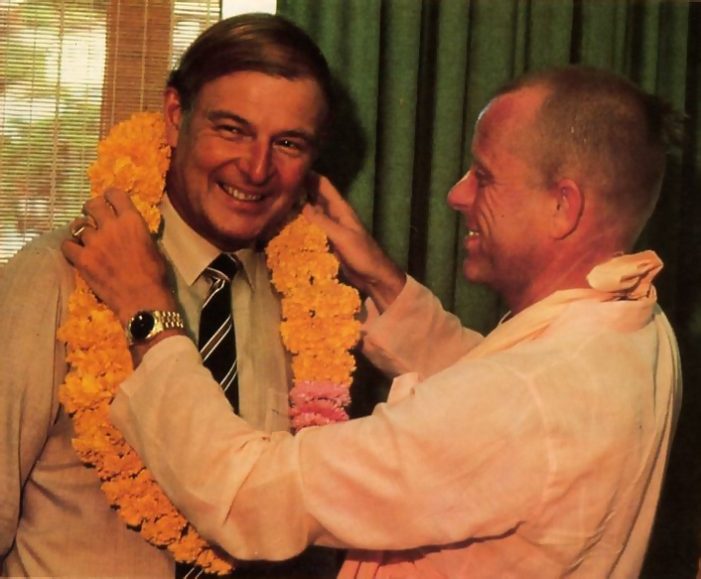
A meeting with the acting prime minister and the opening of a long-awaited bridge highlighted a recent festival at the Hare Krsna farm community here.
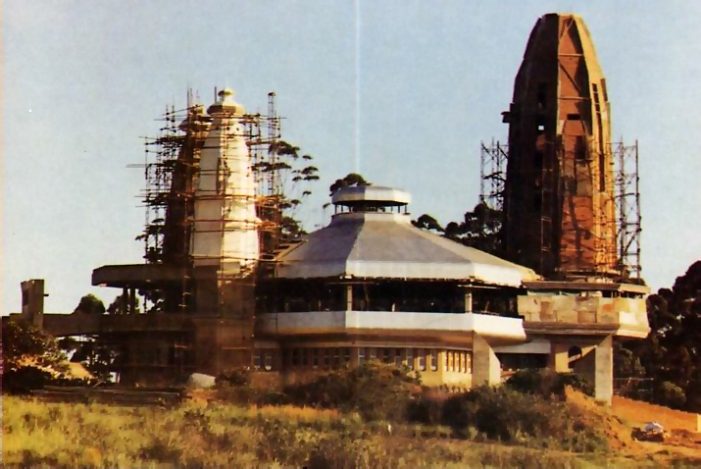
With the generous financial help of South Africa’s Indian community, Hare Krsna devotees are building the largest temple of Lord Krsna on the African continent.
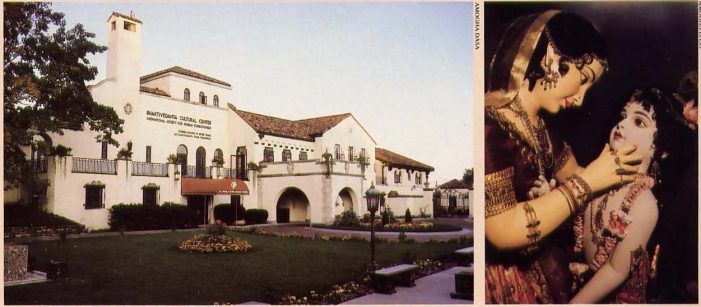
The First American Transcendental Experience (FATE), an elaborate multimedia diorama museum, includes six beautifully detailed dioramas illustrating pastimes of Krsna taken from the Srimad-Bhagavatam.
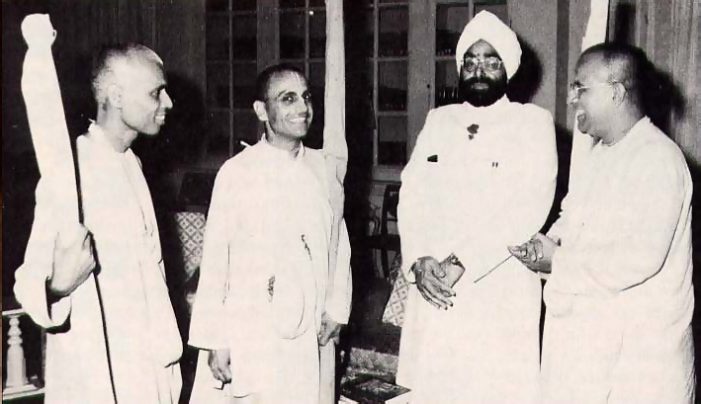
Recently the president of India, His Excellency Sri Giani Zail Singh, cordially received three leaders of the Hare Krsna movement. They gave President Singh a set of Srila Prabhupada’s books.
The big change is that no longer will we be a magazine you see now and then or pick up when you meet a devotee on the street. At least in America, BACK TO GODHEAD is now a subscription magazine. You won’t see BTG on the streets anymore.
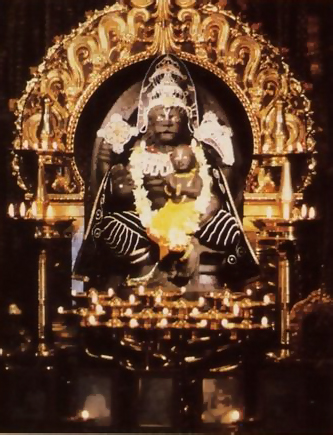
Now, for the first time outside India, a Deity of Lord Nrsimhadeva has been formally installed in a temple—the temple at Nava-Jiyada-Nrsimha-Ksetra, the Hare Krsna farm deep in the Bavarian Forest.
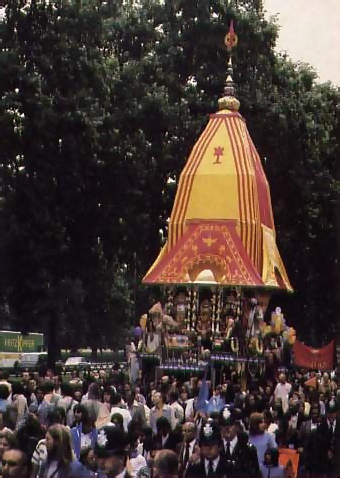
Last summer, thousands of tourists sightseeing in the center of this city may have been more than a little surprised to see a forty-foot-high, gaily decorated chariot being pulled around a corner onto Park Lane by scores of chanting and dancing Hare Krsna devotees.
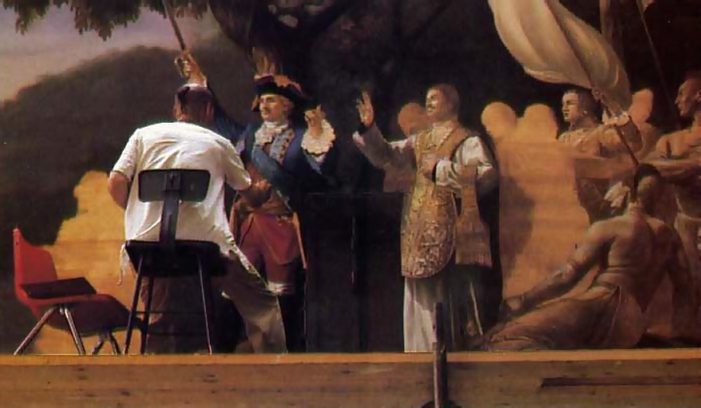
A 12-foot by 20-foot mural entitled “French Explorers” has been painted by Muralidhara dasa, a devotee at the New Vrindaban farm community, for the Wheeling Civic Center.
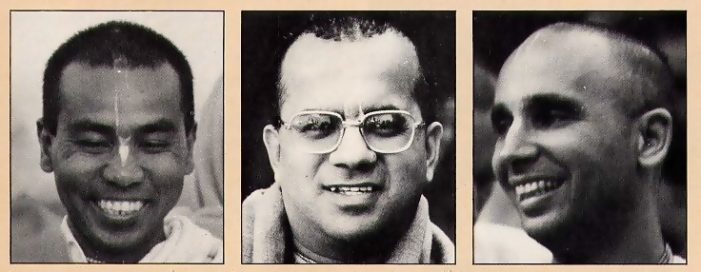
This year the GBC gave their blessings to three of Prabhupada's closest disciples to begin accepting disciples. Second, the GBC gave the go-ahead for some two dozen seasoned preachers to enter the renounced order, sannyasa.
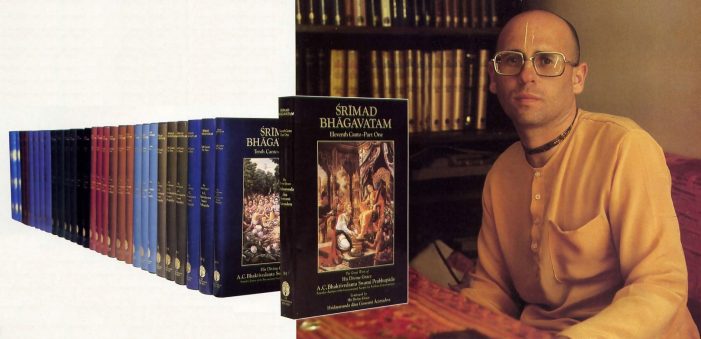
Srila Hridayananda dasa Goswami, thought of putting himself to the challenge. He had never formally studied Sanskrit—but he knew the Sanskrit basics, he had something of a genius for languages, and he thought he could learn whatever he still needed to know.
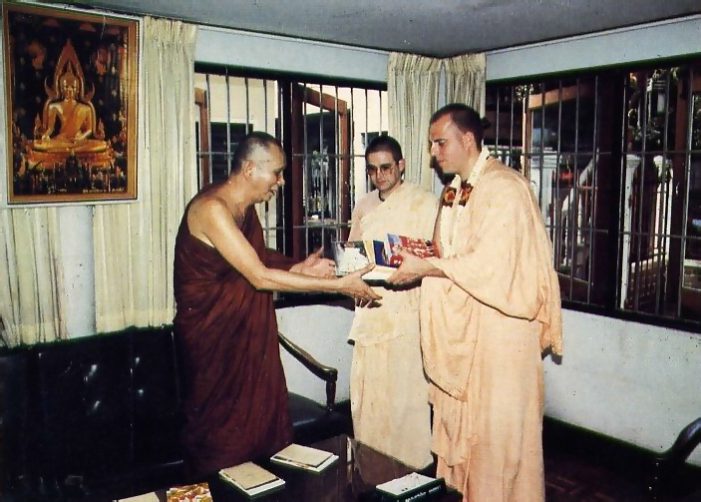
The Bangkok branch of the Bhaktivedanta Book Trust (BBT) has published two new books in Thai: Beyond Birth and Death and The Perfection of Yoga.
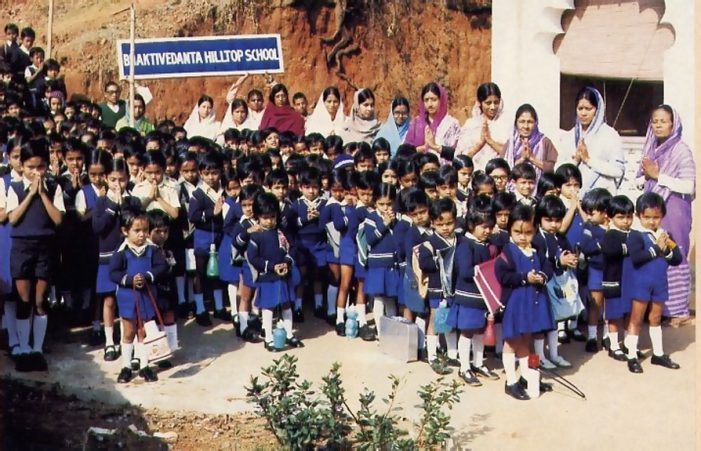
The Hare Krsna movement has opened a gurukula school that has won a warm response from local parents. More than 425 children have enrolled in Bhaktivedanta Hilltop School and are studying the usual academic subjects side by side with Krsna conscious philosophy.
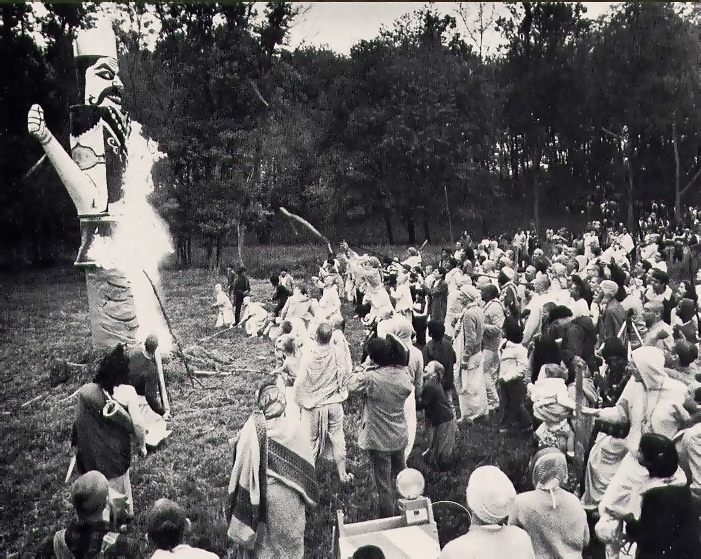
For the United States this was the first formal installation of a Deity of Rama, an incarnation of Krsna who personifies perfect government leadership.
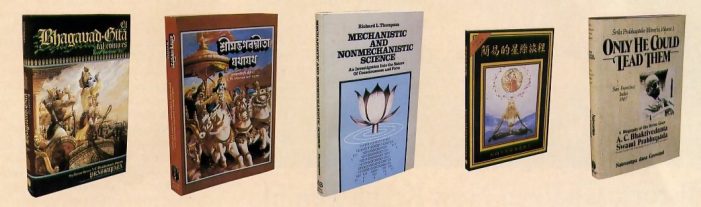
If there’s one thing His Divine Grace A.C. Bhaktivedanta Swami Prabhupada taught his disciples, it was to publish as many books as possible on the science of Krsna consciousness and to distribute them profusely. It seems they’ve taken his instruction to heart.