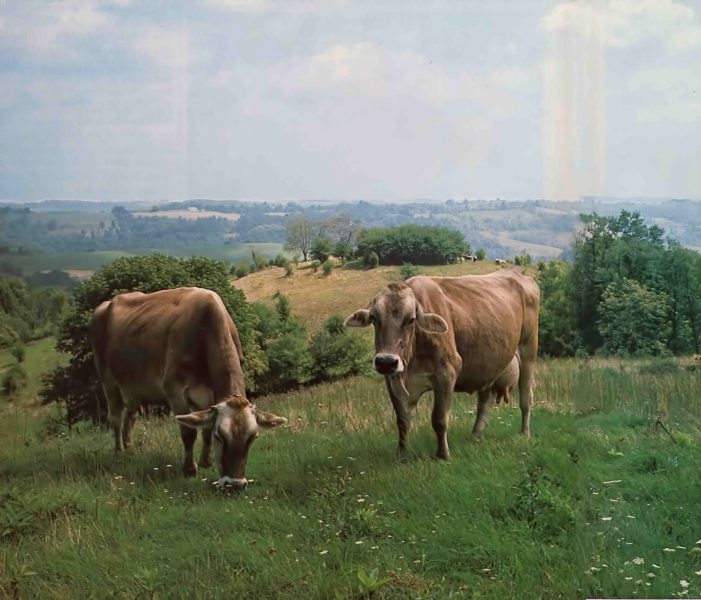
We milk the cows at two o’clock, and as soon as we’re done milking, we go into the temple and attend the morning functions. We’re busy all the time this way, and we don’t fall down to a mundane level.
This Age of Kali is an ocean of faults. But in this age there is one great advantage—simply by chanting the Hare Krishna mantra, one can be freed of all material contamination.
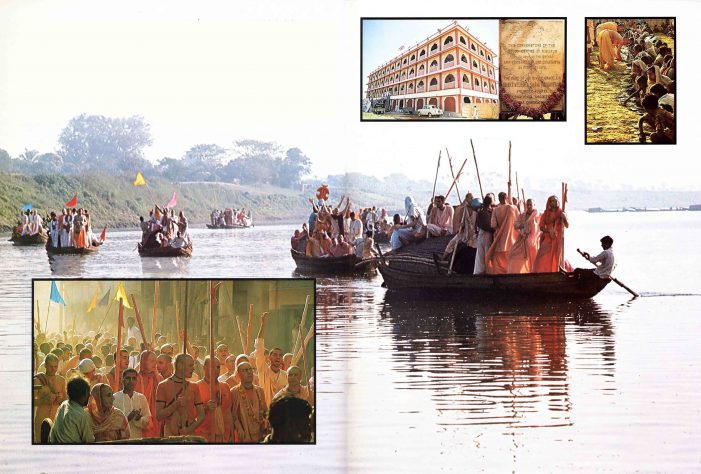
At Mayapur the devotees will chant and visit the places where the Lord performed His pastimes. But most importantly, they will hear from their spiritual master, Srila Prabhupada.
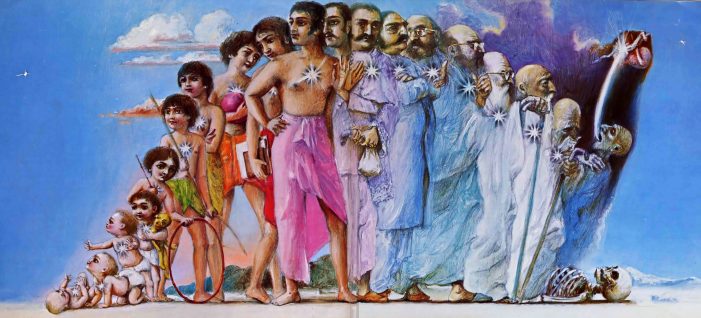
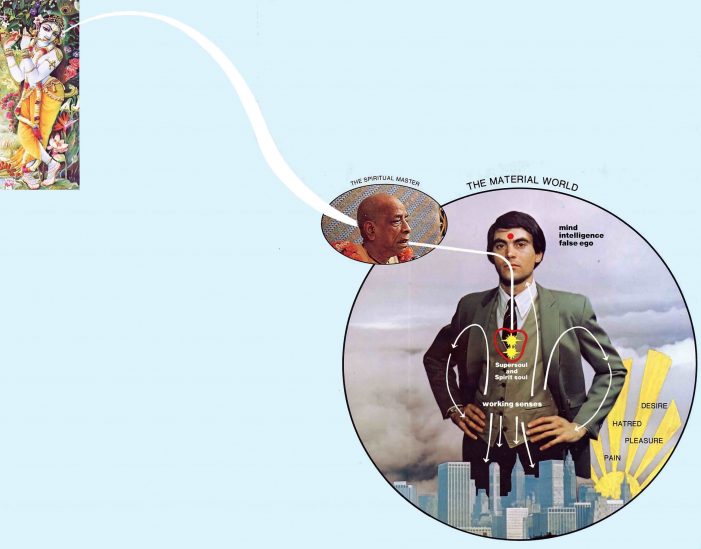
For the anti-material particle, which is the vital force, there is never birth nor death. Nor, having once been, does it ever cease to be. It is unborn, eternal, ever-existing, undying and primeval. When the material body is annihilated, the anti-material particle is never affected.
At the same time that Lord Jagannatha was being pulled through Jagannatha Puri in three giant carts with millions of pilgrims in attendance, Srila Prabhupada and his young friends would pull their small cart through the streets near their home in Calcutta.
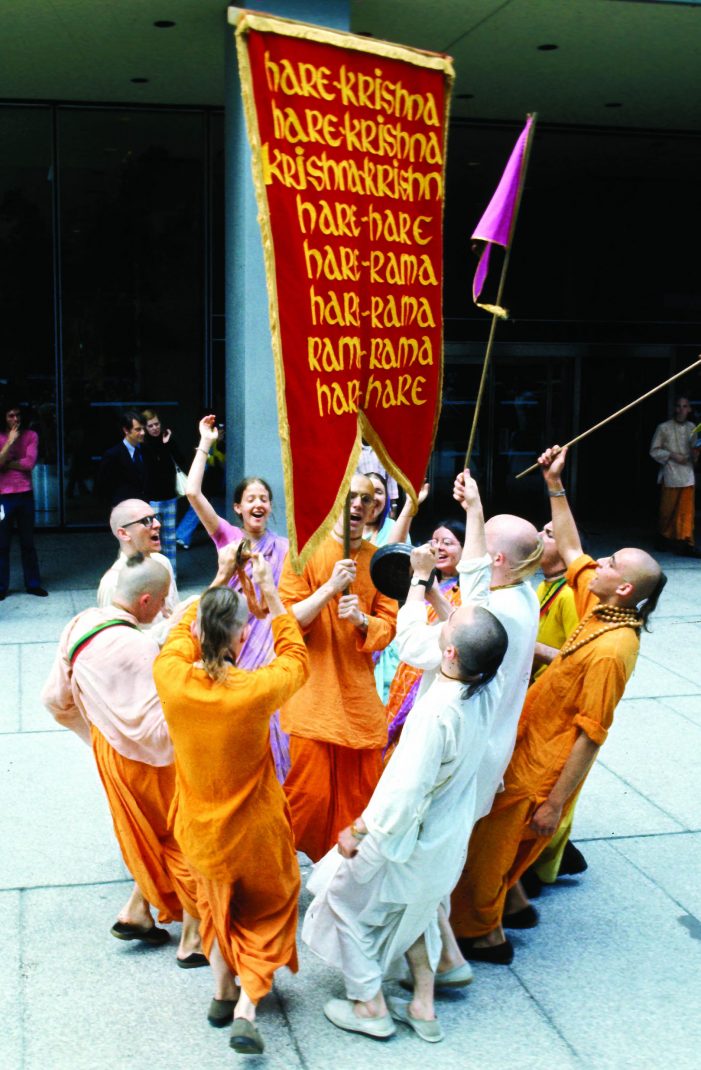
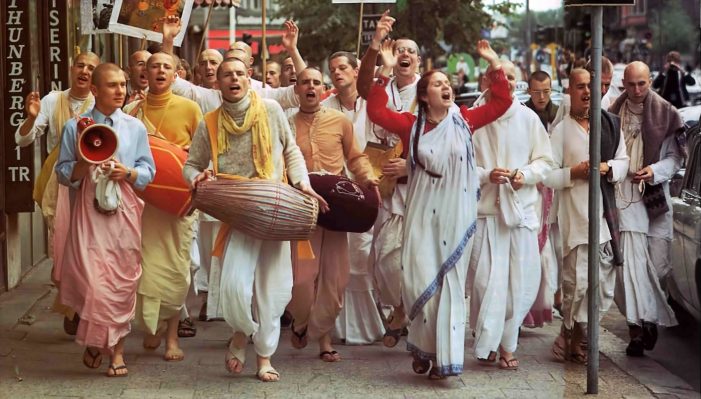
Public chanting of the holy names of God is now commonplace in the streets of cities throughout the world, and Lord Caitanya’s famous prediction, “In every town and village the holy name will be sung,” is quickly being fulfilled.
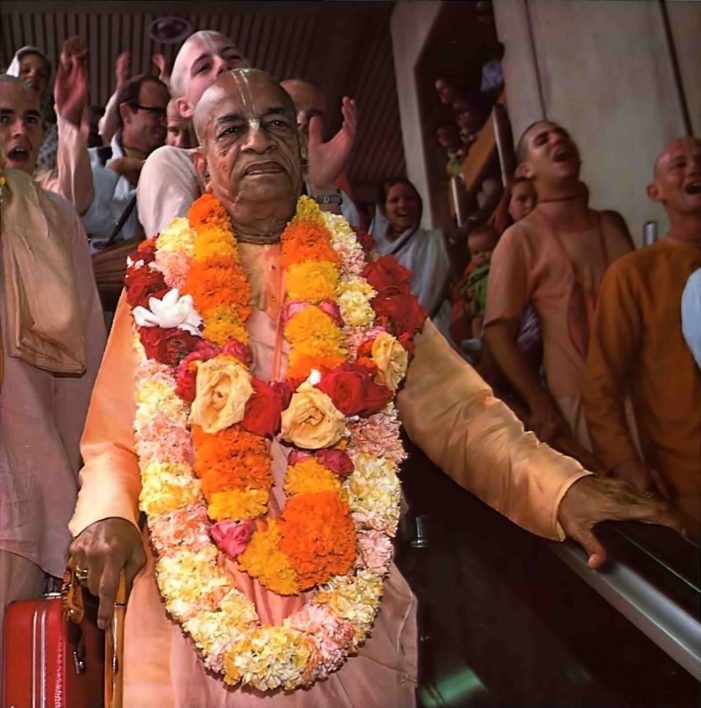
He’s probably logged as much flight time as any other traveling emissary. Prabhupada has circled the globe twelve times visiting his ISKCON centers, lecturing and insuring a high standard of spiritual life among his disciples.
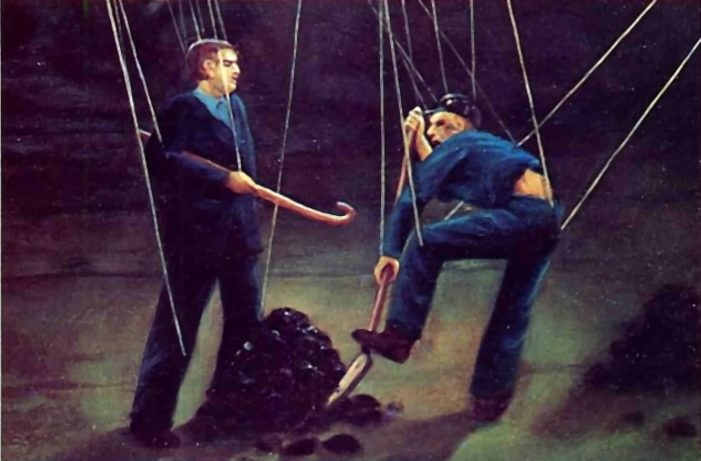
We generally think that we’re in control of our actions and that we’re making our own decisions, but the supreme authority, Krishna, declares that this is not the case. He says that we are acting as puppets—victims—of the forces of nature.
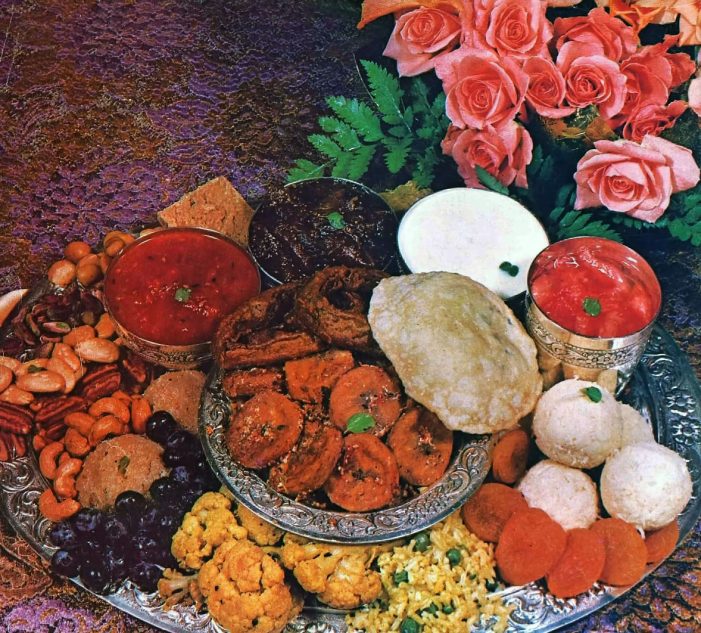
Prasadam means God’s mercy, and specifically refers to food that’s been offered to Krishna. Prasadam has been offered to Lord Krishna in love by one of His devotees, whereas ordinary food has not.
In New Vrindavan, the devotees find that by following the Lord’s example of living with what the land and cows provide, they can easily be free of all economic problems.
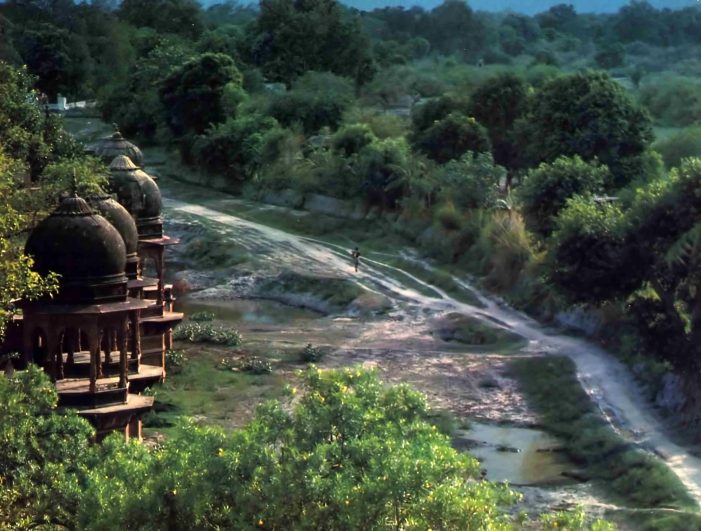
Vrindavan is a simple village unlike all other places in the world, for this is where Lord Krishna, the Supreme Godhead, comes to earth with His associates to display His pastimes.