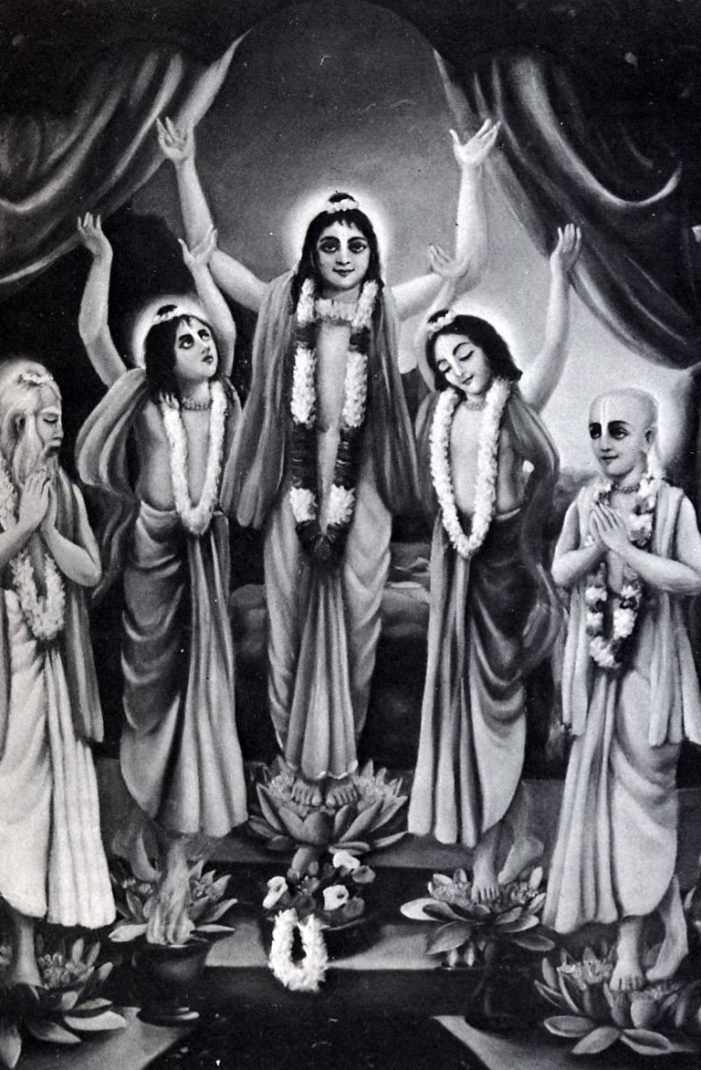
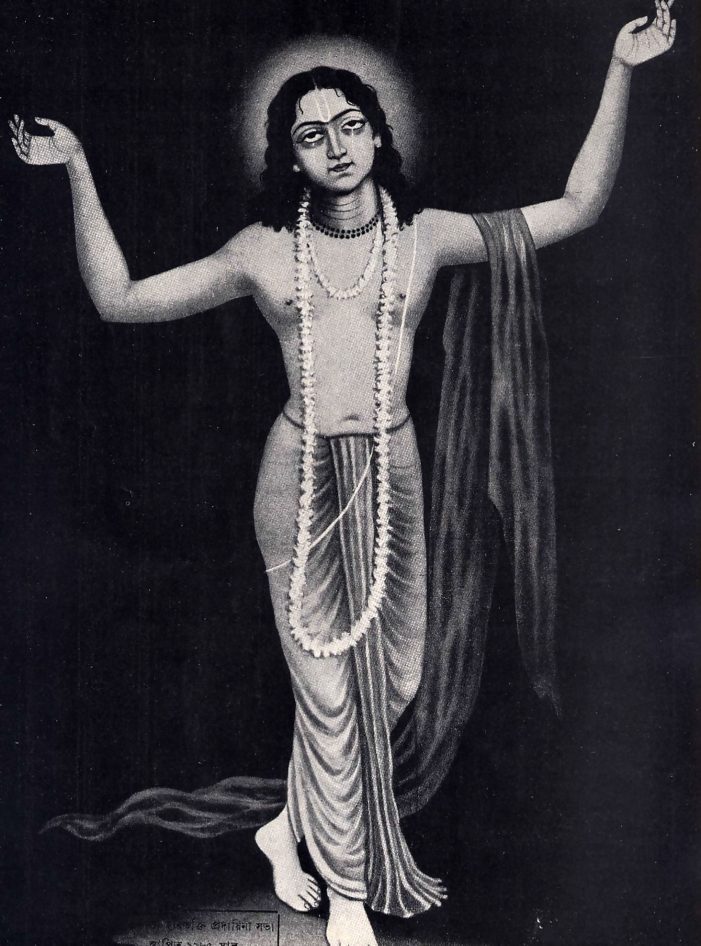
Caitanya Mahaprabhu is an incarnation of Krsna, and this is confirmed by scholars and devotees. In the Srimad-Bhagavatam it is confirmed that the incarnation of Krsna or God in this present age, Kali-yuga, will always engage in describing Krsna.
Kardama Muni practiced meditative penances on the bank of the Sarasvati River for a period of 10,000 years. It is understood that the yoga system, in order to be rightly practiced, must be performed by persons who possess a very long duration of life.
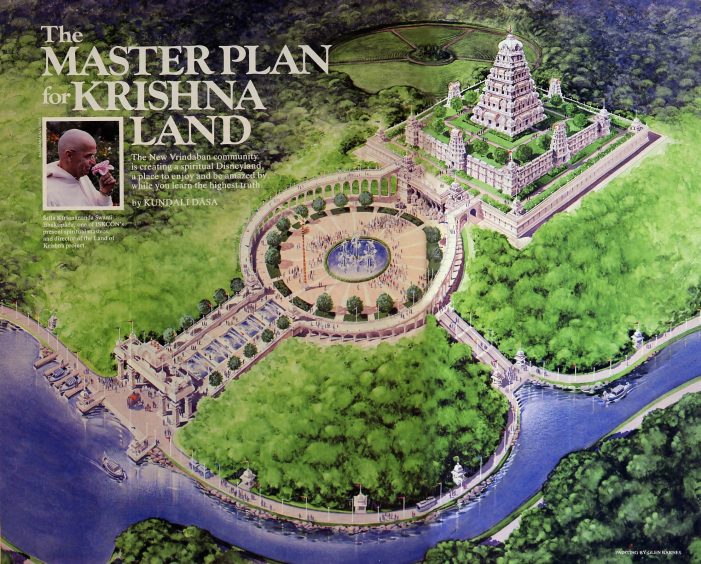
The 25-million-dollar Temple of Understanding will be the main attraction in the Land of Krishna, a one-hundred-acre complex that will include sculptures, botanical gardens, art galleries, multimedia exhibits, a planetarium, and more.
I spent an afternoon at the Zoo with my two-year-old son. As I carried him from the elephant compound to the lion house to the bird sanctuary, I began to wish I had heeded my wife’s advice to bring along the stroller. “Why He knows how to walk.”
The art of making these sweets has been preserved through generations of specialized sweet-makers in India. There the sweet repertoire is extensive and elaborate, and although preparing such sweets may appear simple, to do it masterfully requires great skill.
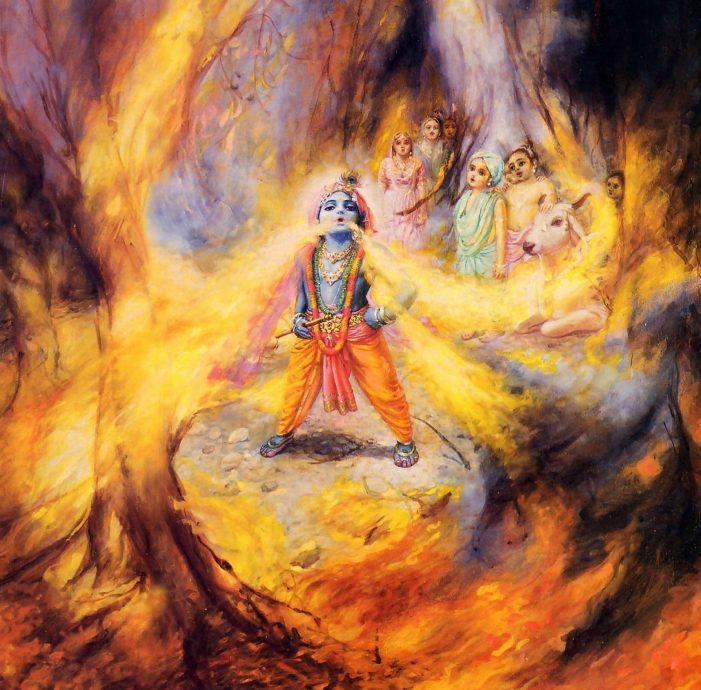
If I were to tell you I knew a story about a boy who swallowed a raging forest fire to save his friends and relatives, you’d probably think it was a fairy tale. Boys don’t swallow forest fires.
Krsna is infinite, while we are smaller than the atom. Therefore it is not possible for us to know the Supreme Personality of Godhead by our ordinary sense perception. It is not possible.
From the historical records about Lord Caitanya, we certainly see a picture of a God-conscious saint who appeared in India during the sixteenth century. But we have to seek further—into the devotional Vedic literature—to understand the full, spiritual significance of Lord Caitanya.
A pretty girl wearing an exotic Indian dress and carrying a handful of flowers and a shoulder bag full of books pinned a flower on my lapel and asked, “Have you ever read the Bhagavad-gita? This book will answer all your questions about life.”
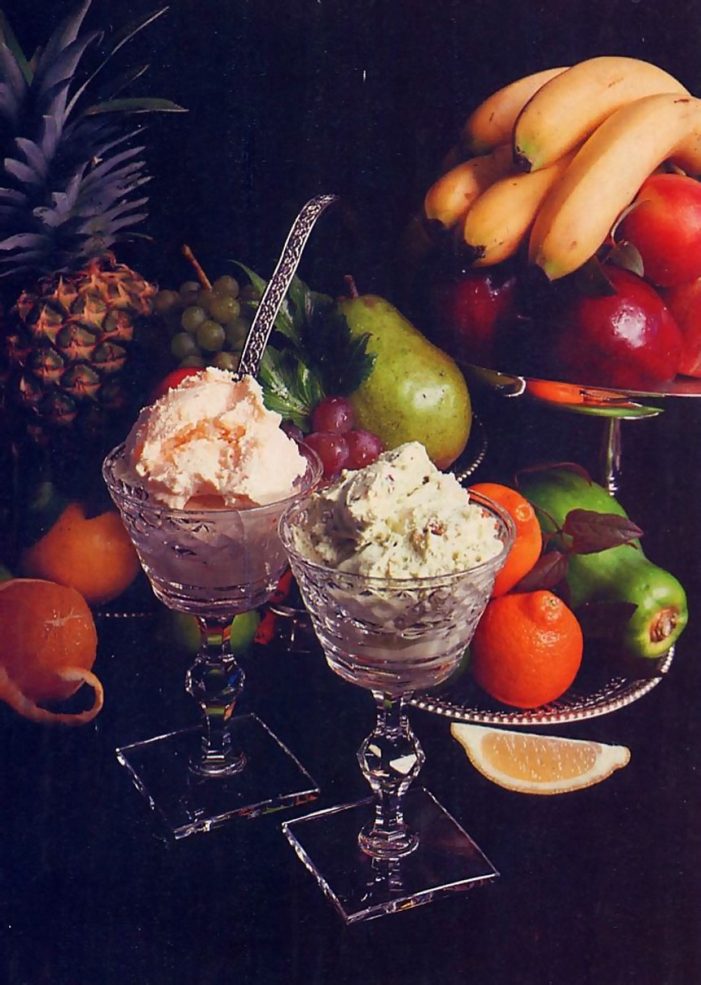
Ice cream, the ingredients don’t vary much from one brand to another. But ice cream that’s been prepared for Lord Krsna and offered to Him with love and devotion stands above all others.
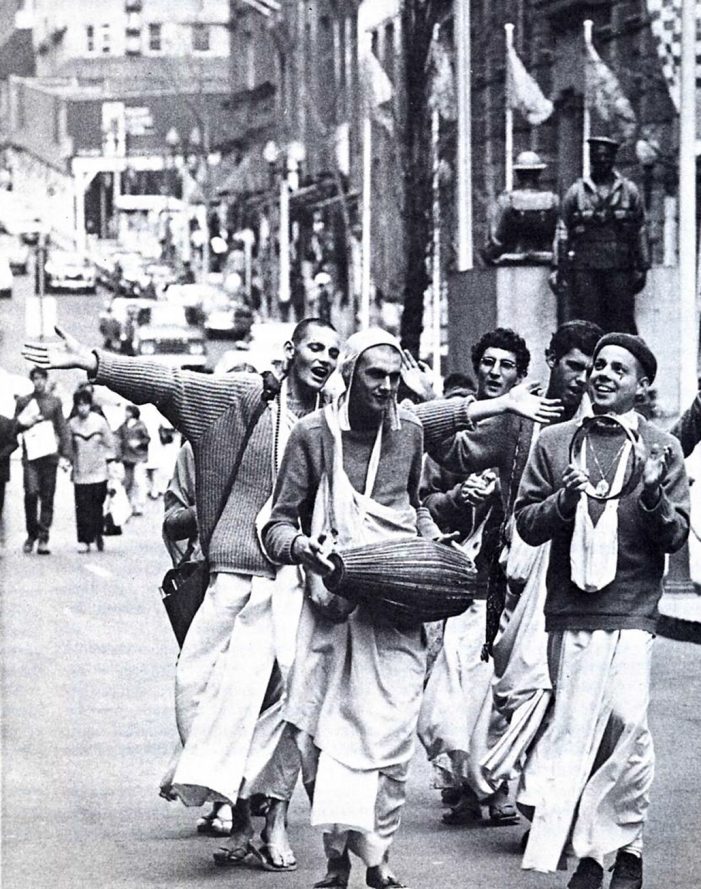
There are those who will say, “Ah! These Hare Krsna people are just escapists. They cannot face up to life.” And our reply is simply, “Yes, we are escapists. You stay here; we will leave!”
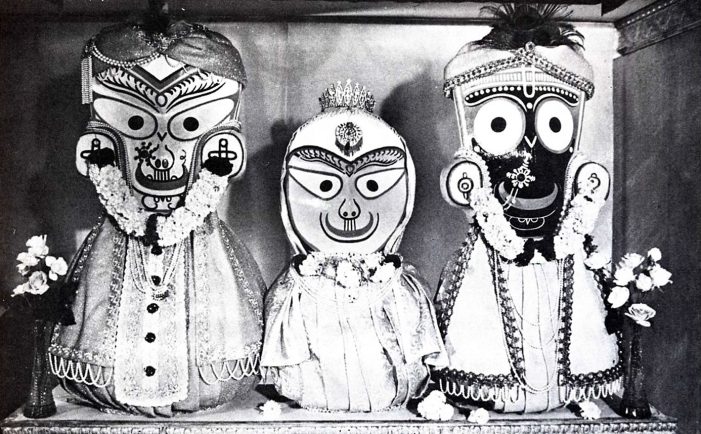
Service of the Lord, especially in dressing and decorating the temple, accompanied by musical kirtana and spiritual instructions from the scriptures, can alone save the common man from the hellish cinema attractions and the rubbish sex-songs broadcast everywhere by radios.
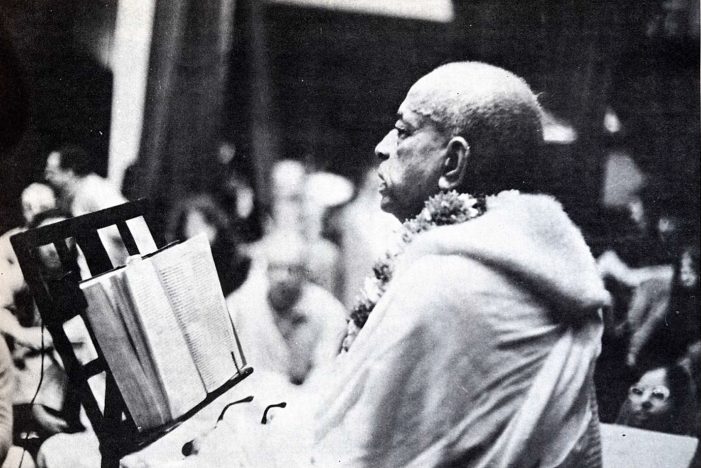
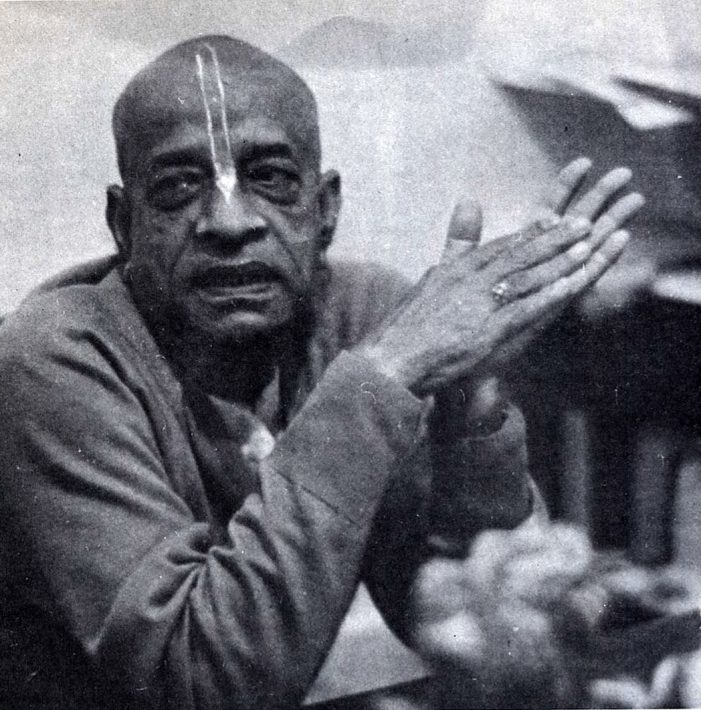
How can one know that the spiritual master is bona fide? What is the duty of the spiritual master? What are his symptoms? These and other questions concerning the spiritual master and Krsna are discussed herein by way of authoritative evidence.
This Vedic knowledge which is Krsna consciousness is an ancient science which is eternally new. Modern America has reached a stage of civilization where it is ready to ask important questions. This science, as always, is ready with the answers.
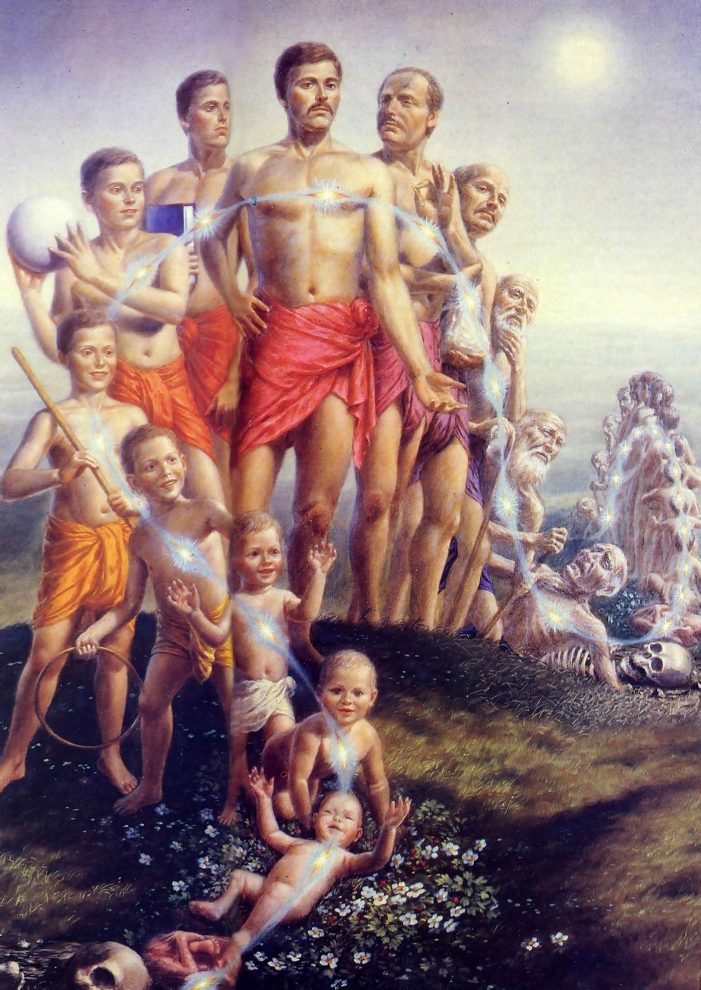
The soul transmigrates at every moment as our body changes from childhood, to youth, and then to old age. When the body disintegrates at death, the soul start s another round of transmigration in a new body.
The philosophical question of fate versus free will is an old one. Are our thoughts and actions completely determined by forces over which we have no control? Or, are we free to decide for ourselves, to be the captains of our fate?
In 1969 I saw the devotees of Krsna on the television program Top of the Pops. Disgusted by the shaved heads of the men, I turned to my mother, “You’ll never catch me joining that bunch.”
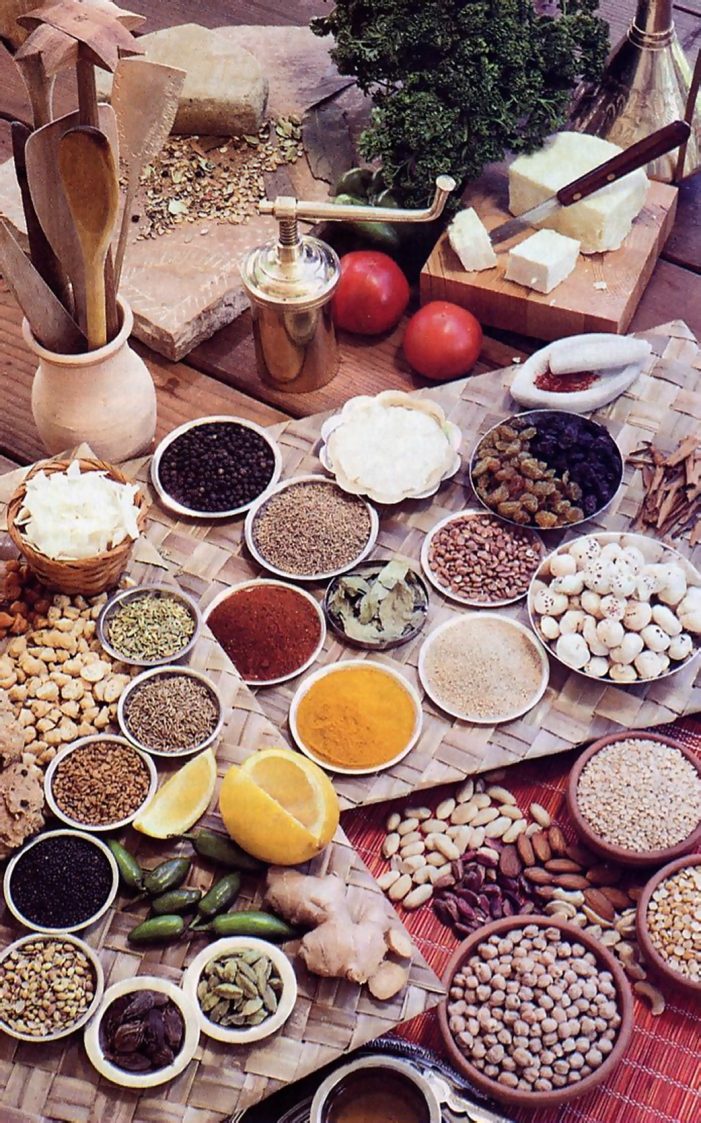
There are sweet spices, like cinnamon and cardamom, pungent ones like cayenne, and mixed tastes like cumin and coriander. Spices influence not only the taste of food, but also the appearance, texture, and aroma.
As long as we have the desire for material sense gratification or the desire for material liberation there is no possibility of developing transcendental bliss in Krsna consciousness.