Advertisement for Srila Prabhupada’s Books 1970
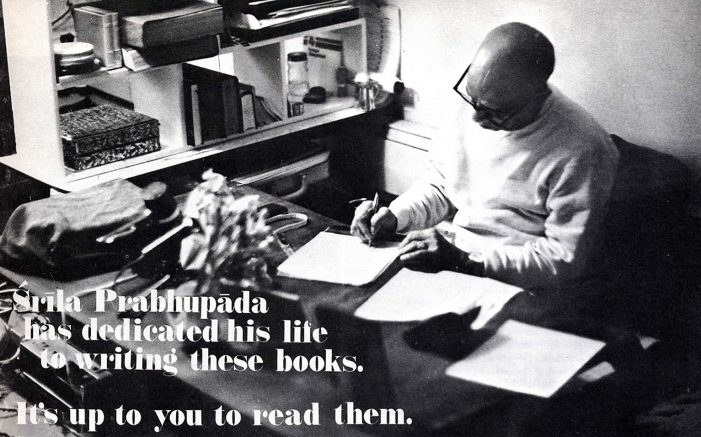
Srila Prabhupada has dedicated his life to writing these books. It is up to you to read them.
Srila Prabhupada has dedicated his life to writing these books. It is up to you to read them.
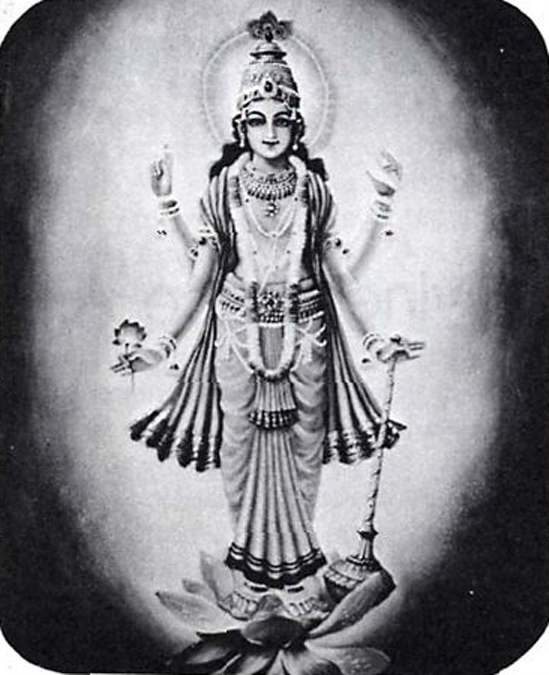
The perfection of our lives, the proper utilization of our consciousness, is to be Krsna conscious, or aware of God. And the perfection of this awareness is called samadhi, or trance.
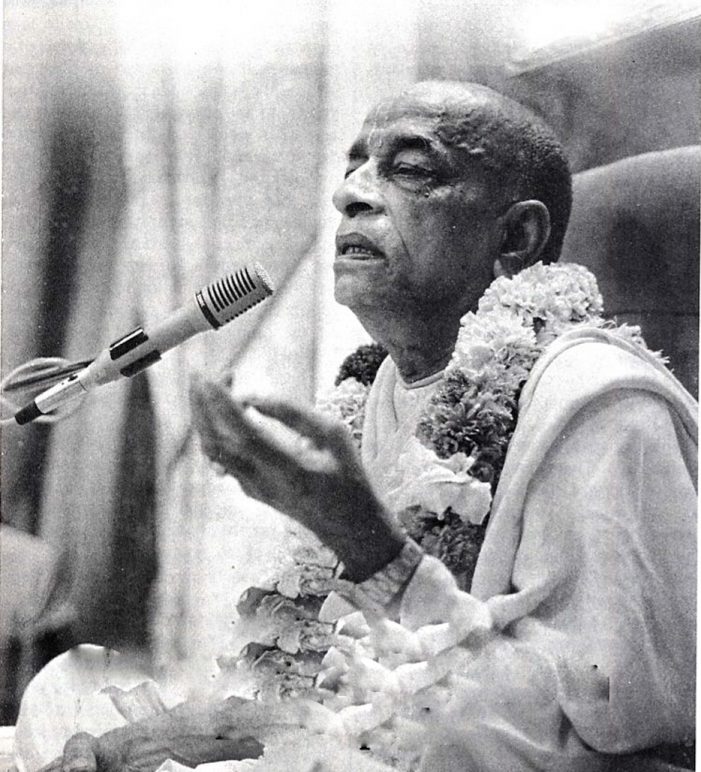
This book teaches Krsna consciousness because the speaker is Lord Krsna and the subject matter is our relationship with God. Krsna means “all-attractive,” and it is the perfect name of God. Unless the Supreme Person is all-attractive, He cannot be God.
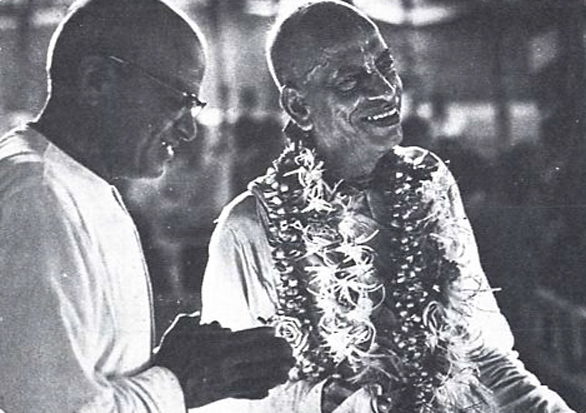
Lord Caitanya says that one should always try to associate with saintly persons because if one establishes a proper association with a saintly person, even for a moment, he attains all perfection.
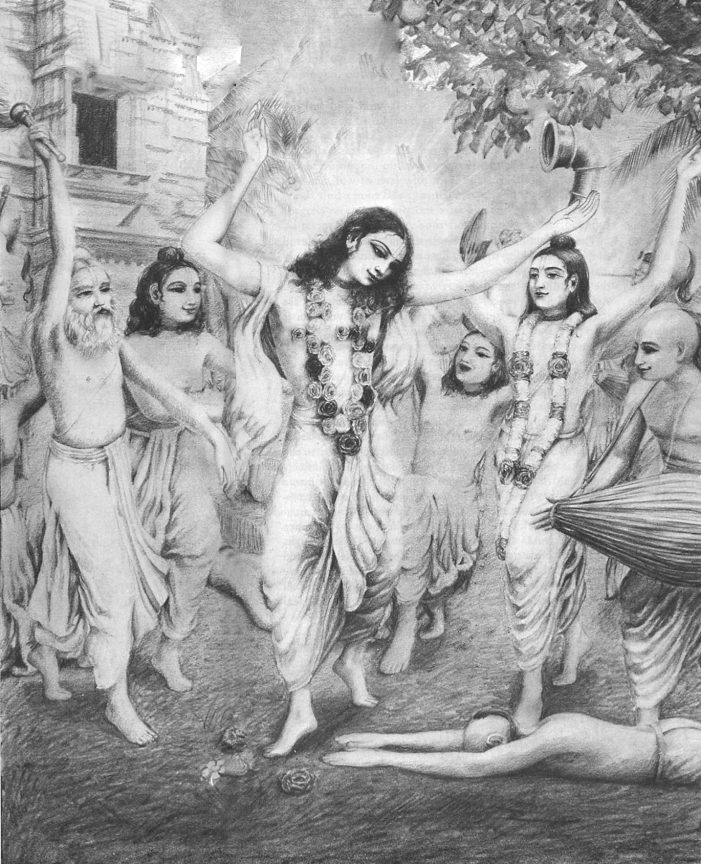
The most sublime opportunity You’ve given to us, the fallen souls To quit this material connection And accept our eternal roles.
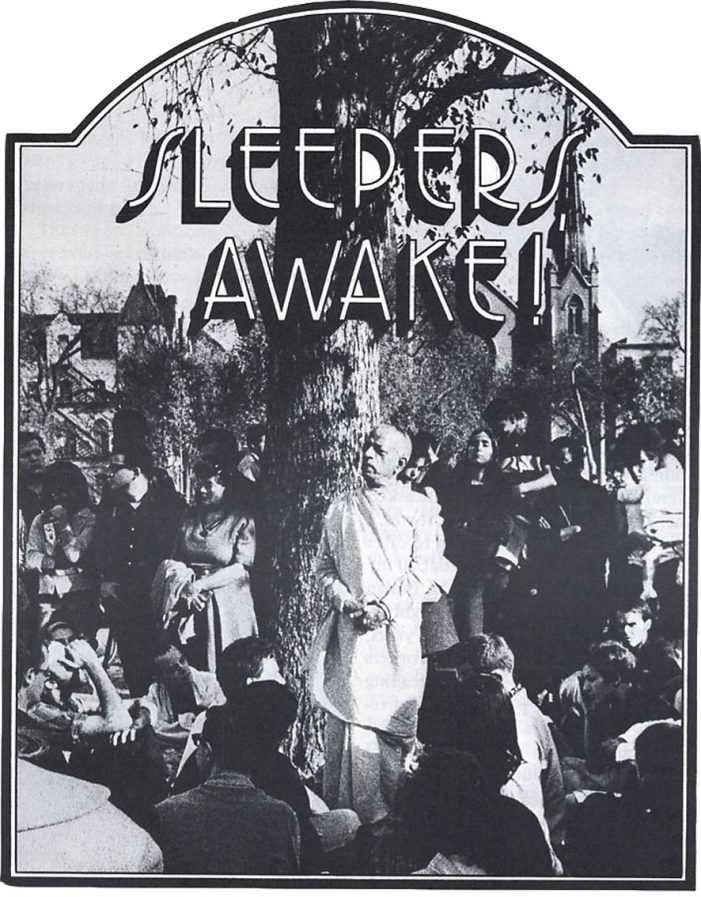
It was almost like following a Martian down the street. Somehow Srila Prabhupada floated through it all, seemingly unaware of the stares, comments and general sensation he was creating.
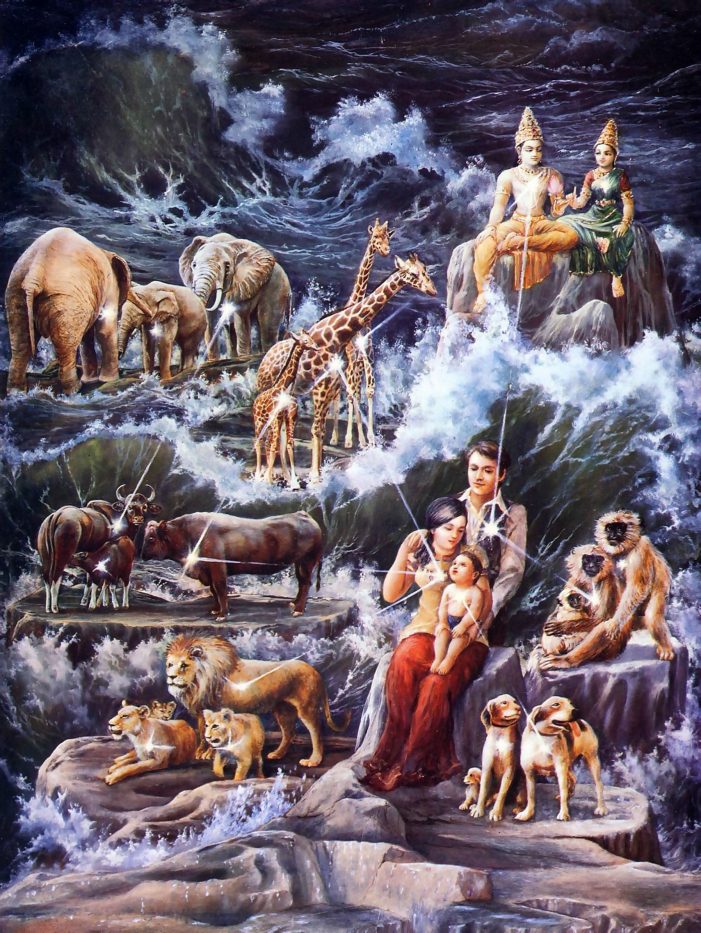
Human life is meant for cultivating transcendental knowledge. By the process of evolution we have passed through so many kinds of bodies and have now come to this human form. Now is our opportunity to get out of the cycle of birth and death. This is our real goal of life.
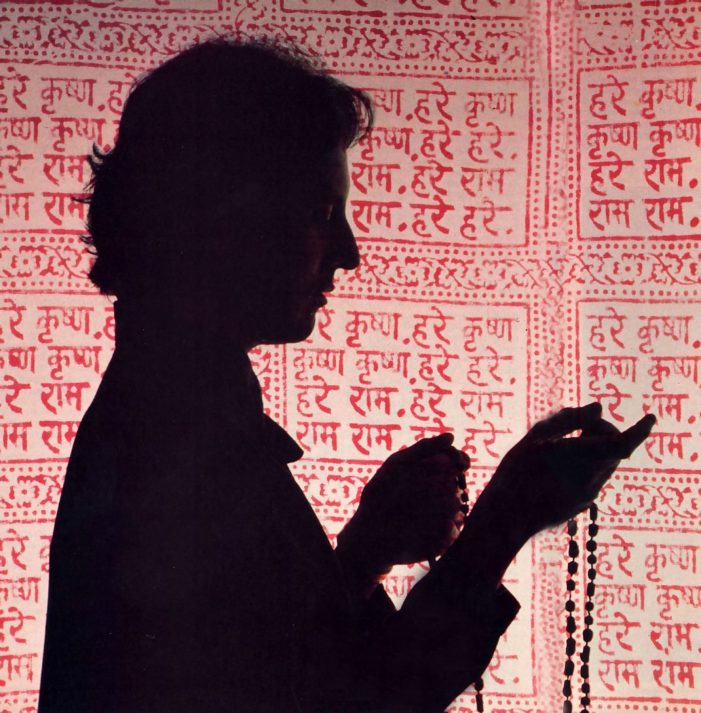
Japa is a simple, age-old practice. You softly chant the Hare Krsna mantra (names of God) while fingering a string of 108 beads. Pause long enough on each bead to say the entire mantra once.
John, a traveler, found himself in Istanbul. With nothing to do, he’d gone to the magnificent Blue Mosque, an awe-inspiring monument with huge stained-glass windows, to offer a sincere prayer to God—the first such prayer of his life.
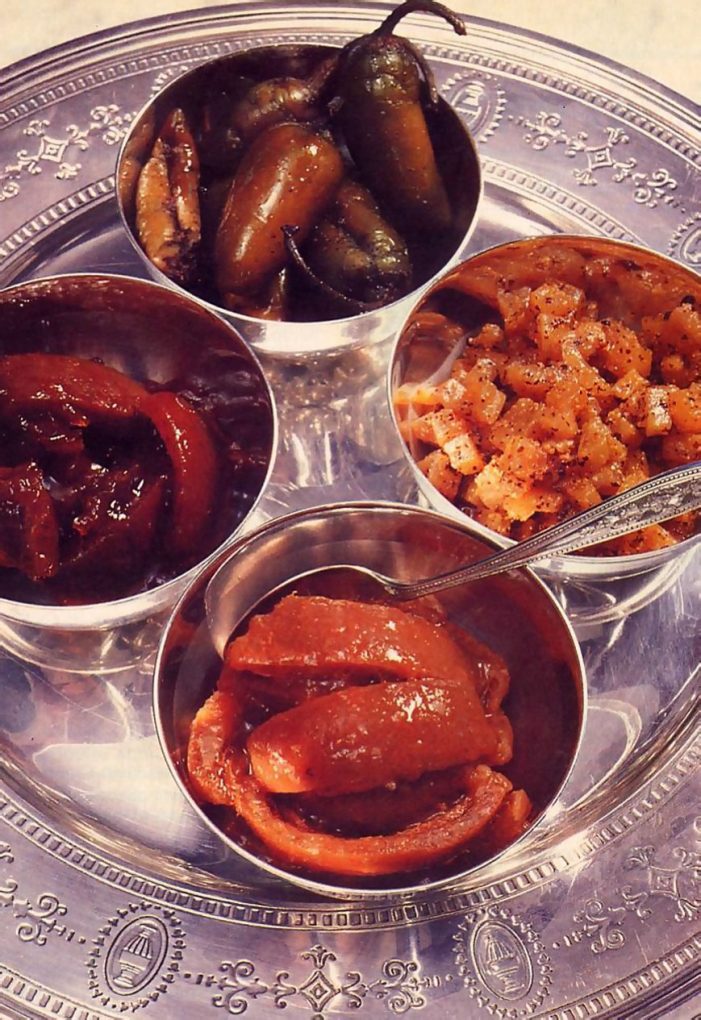
For centuries, people throughout the world have known that extremely salty, acidic, or sweet foods don’t spoil. And for centuries people have employed various techniques to preserve, or pickle, their foods.
While spreading the maha-mantra throughout the Indian subcontinent, Sri Caitanya Mahaprabhu prayed, “O Supreme Personality of Godhead, in Your holy name You have invested all Your transcendental energies.”

Karma is not dependent on whether we choose to accept it or to reject it. It’s not under our control, something we can have made to order. It’s a law of nature, just like the law of gravity. And to change its workings is completely beyond us.
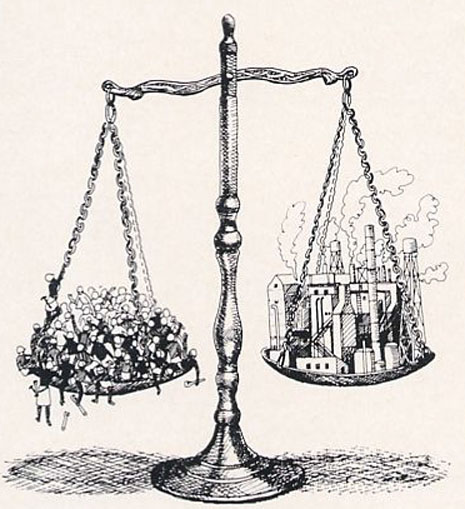
Indians have neglected God consciousness. The British introduced materialism, and Jawaharlal Nehru, the first prime minister of India, simply followed this policy, although his spiritually inclined mentor, Mahatma Gandhi, was opposed to it.
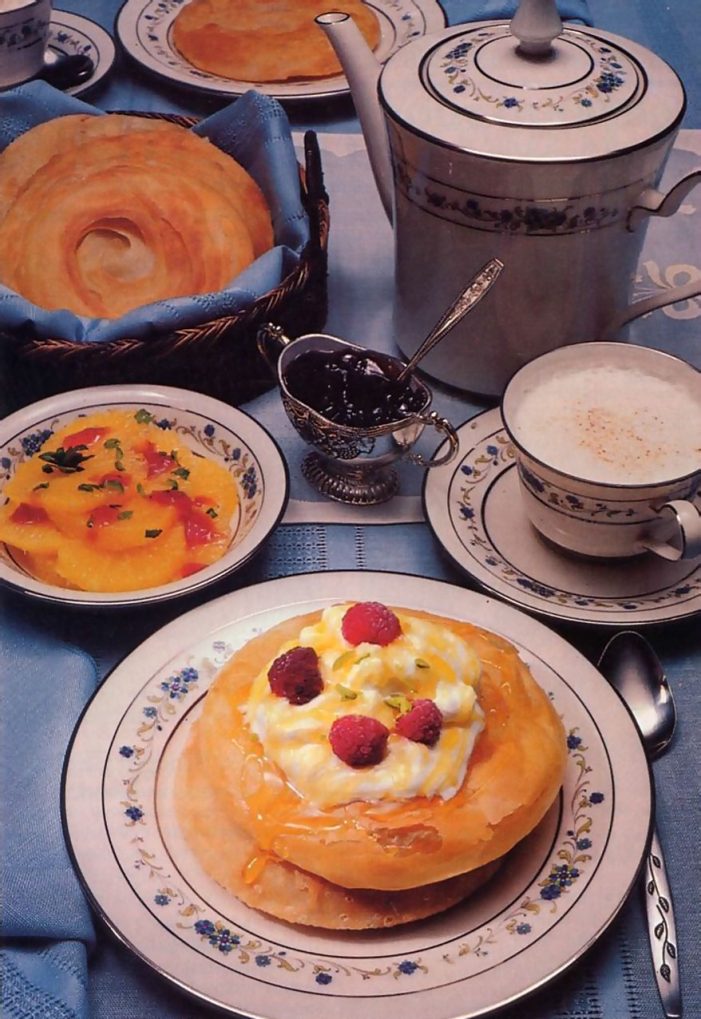
Werkie parathas are deep-fried so they turn out more like a pastry than a flat bread. They’re multilayered and have a rich, buttery flavor. They’re ideal as a breakfast treat or an afternoon snack. But werkies are for those who want a culinary challenge: they’re tricky to make.
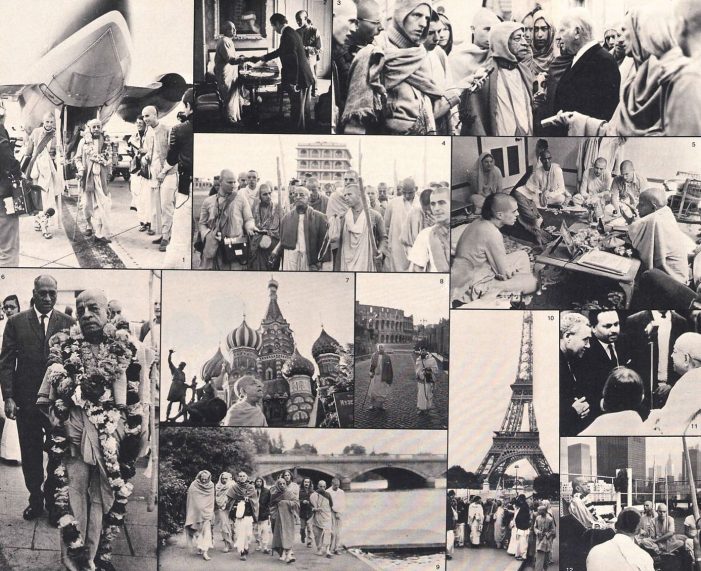
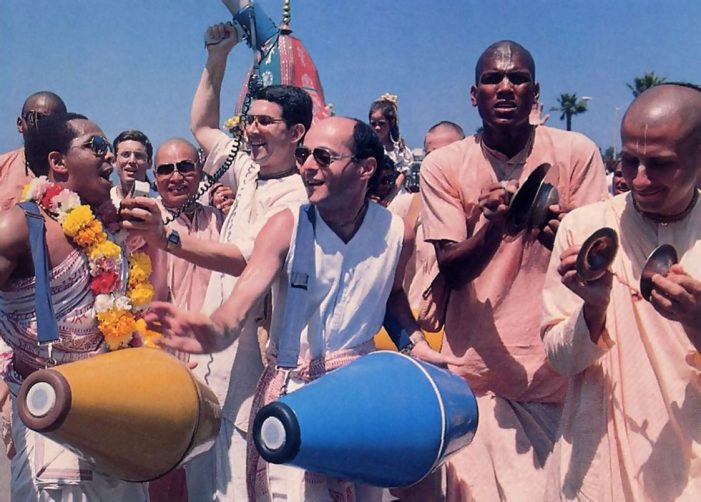
Lord Caitanya broadcast His message with mrdanga drums and hand cymbals and traveled on foot. He did not spread His movement outside of India, although His plan was that all the peoples of the world would one day take up chanting the holy names and thus awaken their dormant love of God.
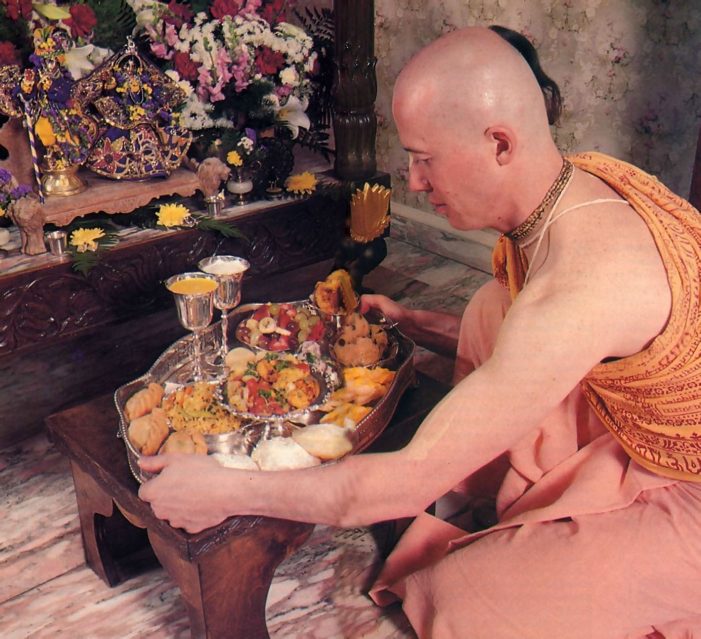
Word spread quickly about the exotic and delicious vegetarian feasts the Hare Krsna devotees were having. Before long, each Sunday the small temple room and courtyard would fill with guests eager to try the delicacies the devotees were generously serving.
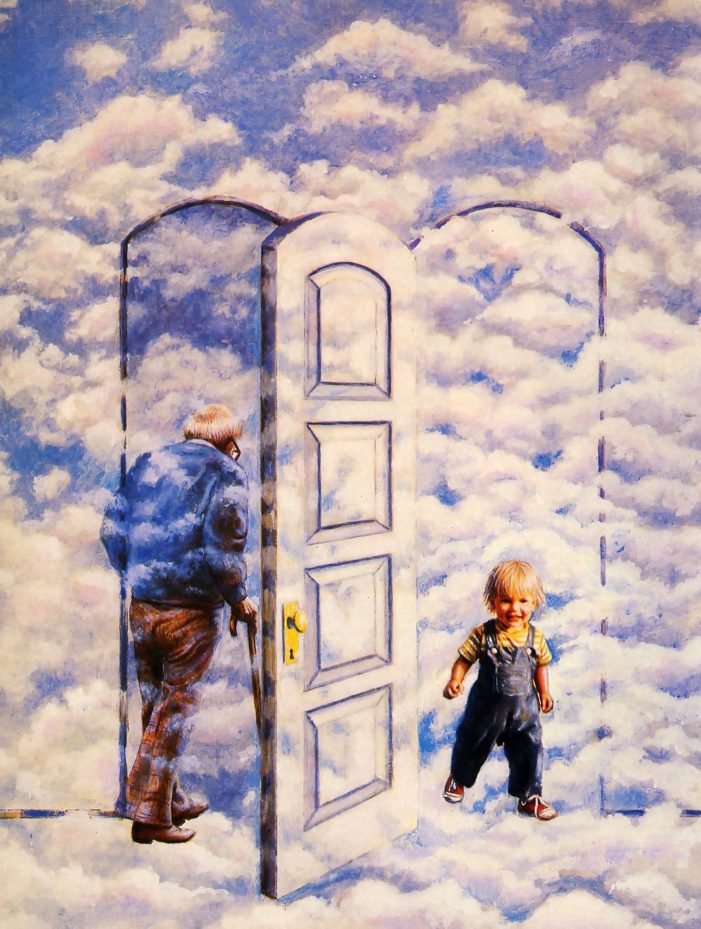
For the soul, there is never birth or death. Nor, having once been, does he ever cease to be. He is unborn, eternal, ever-existing, undying, and primeval. He is not slain when the body is slain.
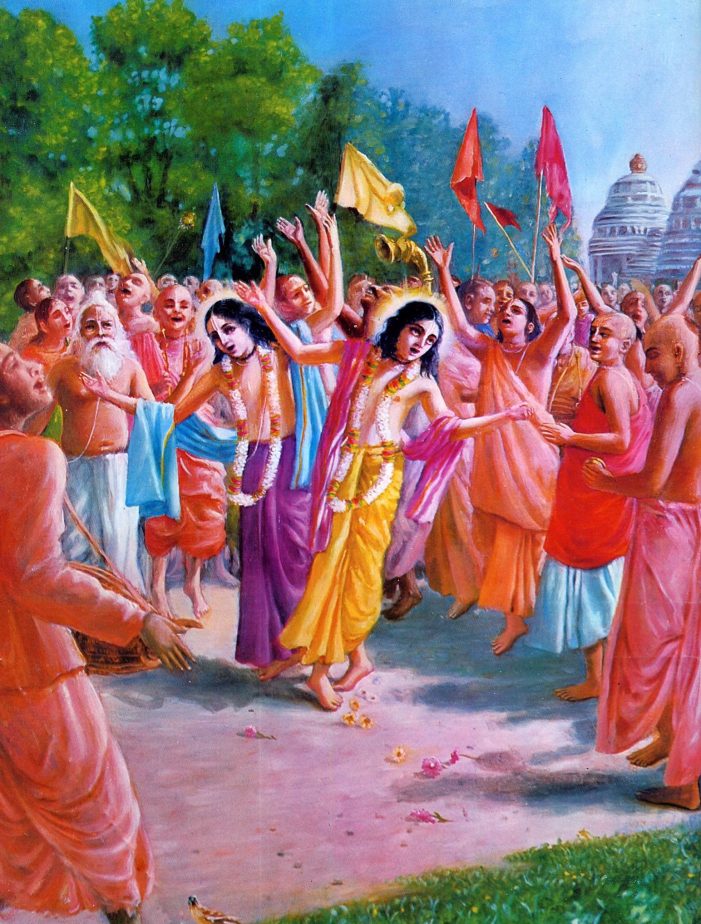
Lord Caitanya stated that anyone born in India has the responsibility to take up this chanting of Hare Krishna and spread it, and He has quoted scripture to state there is no alternative for spiritual realization in this age than chanting the holy name of God.
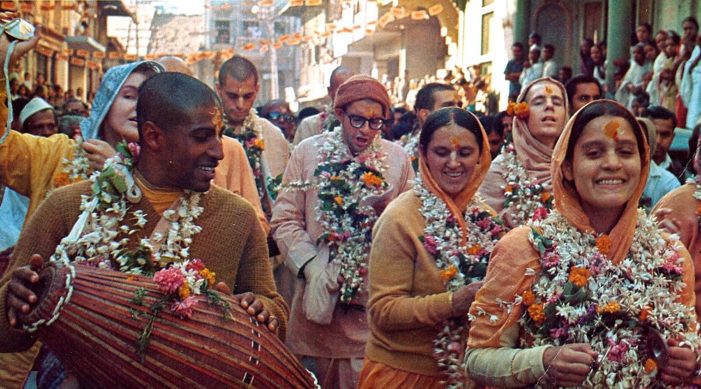
Even some of the impersonalists danced, and the faces of the people changed from grey to a nice reddish due to bright attentive joy. We got up from the stage and danced, and they got up from their seats and danced.
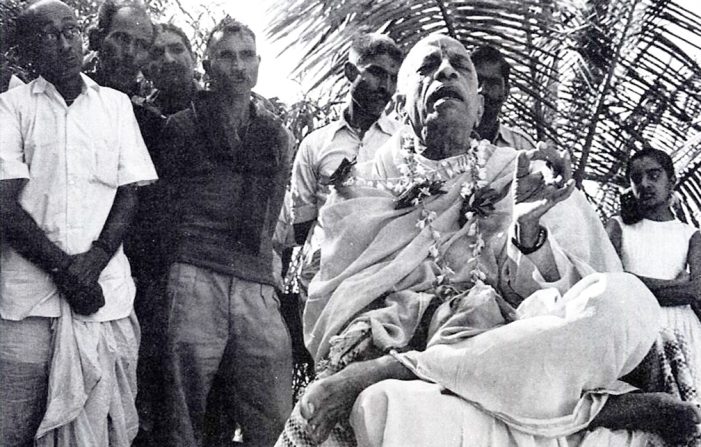
We have traveled throughout India—to Calcutta, Bombay, Delhi, and to smaller cities too. Practically everybody is won by kirtana—the sound representation of Krsna.