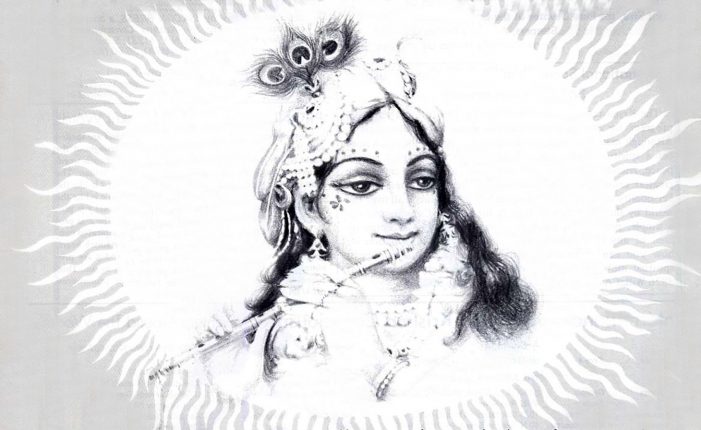
Krsna consciousness is the perfect process for solving all the problems of life because it can at once end our illusory separation from Krsna, the Supreme Lord. Krsna is present everywhere, even within the atom and within the heart of every living creature.
When Srila Prabhupada walked in to begin kirtana, he looked at the newly decorated temple and showed surprise. “Ah, you are advancing,” he said. “This is very nice. This is Krsna consciousness.”
“Bhakti” or spontaneous loving service cannot be applied to any object within the world of three dimension but it is a thing which is absolute monopoly of the Personality of Godhead.
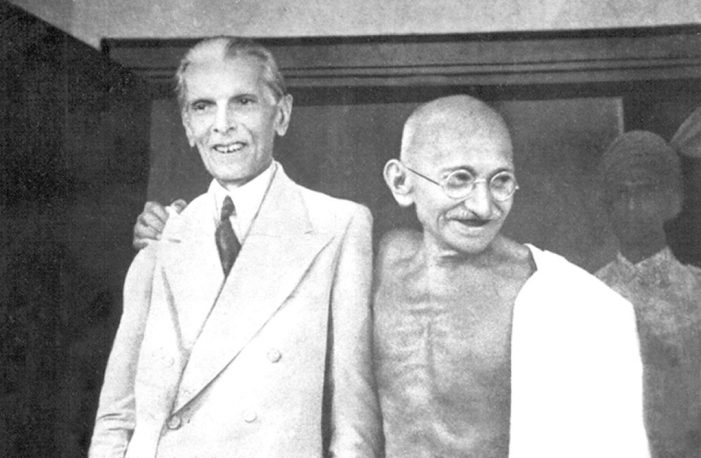
We are sorry to learn that Gandhi Jinnah Talks about unity of the Indian people have failed for the present. We are not very much optimistic in the result of such occasional talks between several heads of community and are of opinion that if any solution is arrived at as a token unity for the time being, it is again to break up, to meet another shape of problem which may not be on the ground of religiosity.
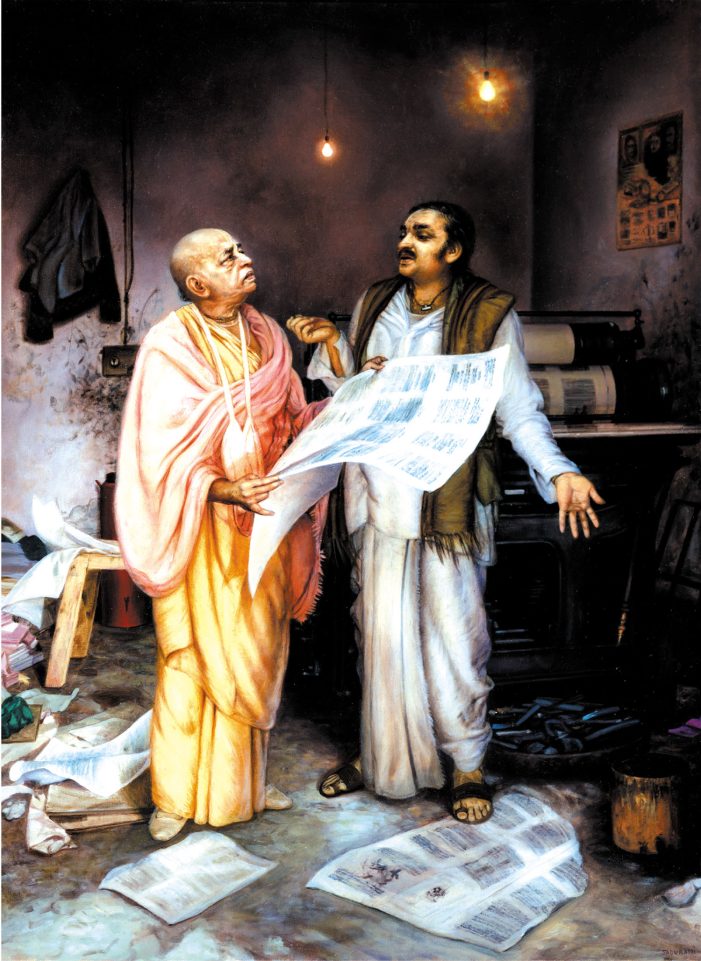
Readers of ‘Back to Godhead’ who were practically disappointed to learn that the Government of India had twice refused to give permission for the continuance of publication of “Back to Godhead”, will be glad to know and see that in the third attempt by their humble servant, the Government of India has kindly given special permission to continue the publication of ‘Back to Godhead’.
For so long I’d been hearing the devotees in Mayapur talk about terra cotta panels, terra cotta tiles, terra cotta bas-reliefs, terra cotta statues, terra cotta this, terra cotta that. After seven years I’d developed a kind of apathetic I’ll-believe-it-when-I-see-it attitude.
One of my fondest recollections of you is of how you were always uncompromising. During the late 1960s, for example, many of the young people around you were influenced by antiwar sentiments. Nevertheless, you explained that war was not always bad.
Because there is no difference between Krsna and His name, the holy name of Krsna is as pure and as perfect as Krsna Himself. The chanting of Hare Krsna will release one from his designated condition in the gross and subtle bodies.
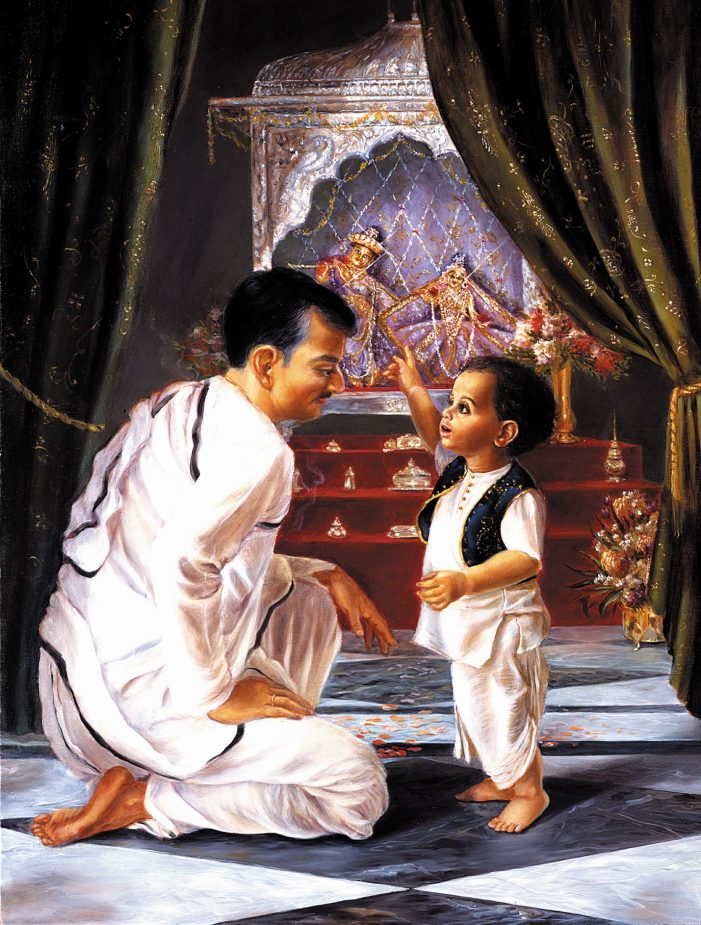
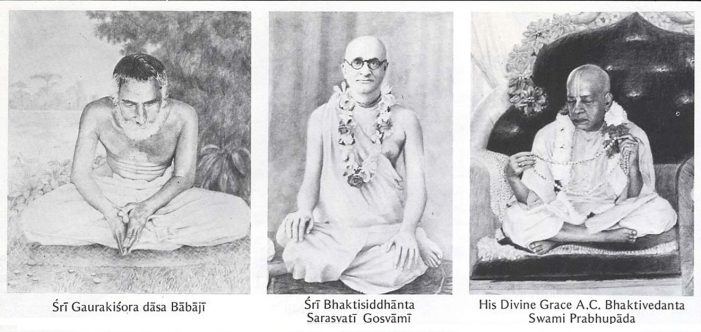
Many times, when people inquiring about Krsna consciousness hear from us about the importance of disciplic succession, they are not able to grasp what we are talking about. We say, “Krsna consciousness is coming down in disciplic succession.”
When Lord Jesus Christ presented himself he was greatly afflicted by the miserable conditions of the people. Regardless of which country or sect they belong to, all devotees are compassionate.
A devotee is in an advantageous position at the time of death. If he is advanced on the spiritual path, he will go to Krsna, and if he is not so advanced, he will take an auspicious birth and have the opportunity to continue developing his Krsna consciousness.
How can you attain Krsna consciousness it in one second? “It is simply a matter of surrender. It is like a creeper; as soon as you sow the seed, it begins to grow. The watering of the seed is hearing, and gradually the creeper fructifies. It begins as soon as you accept it.”
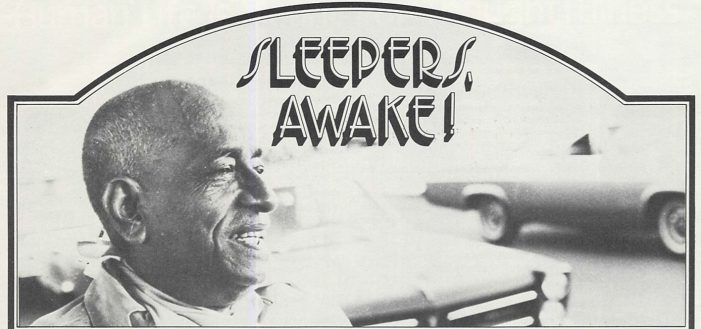
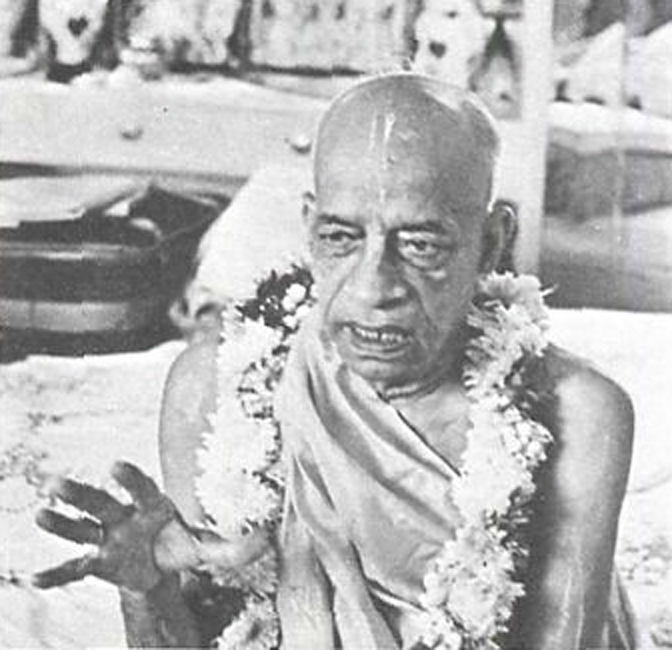
I want to talk of the real guide, the pure devotee of God who showers unlimited love and mercy upon all living entities because he is the dearmost representative of God.
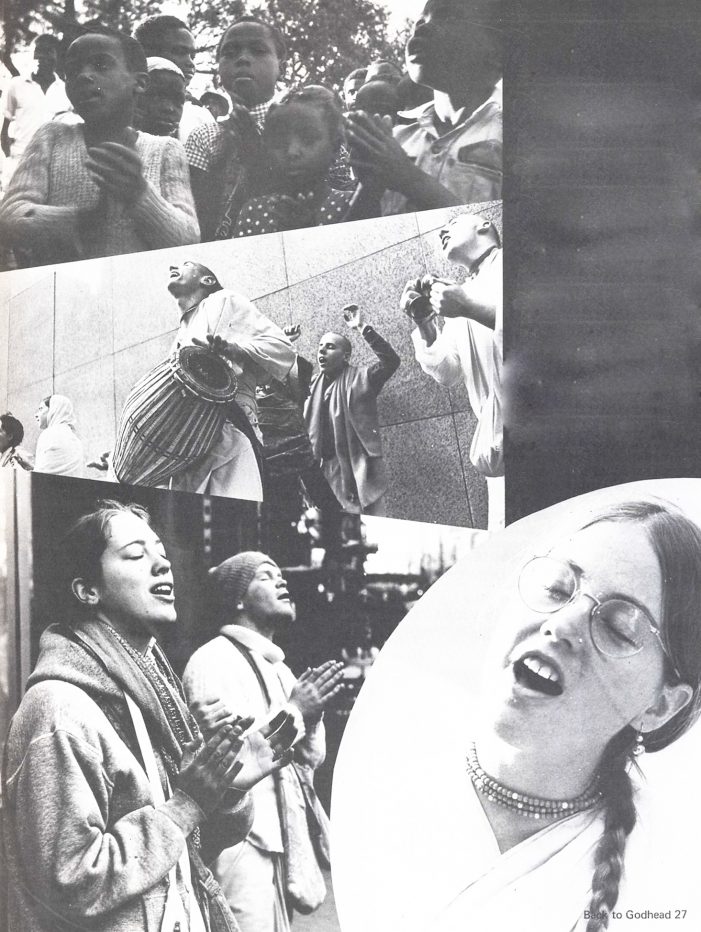
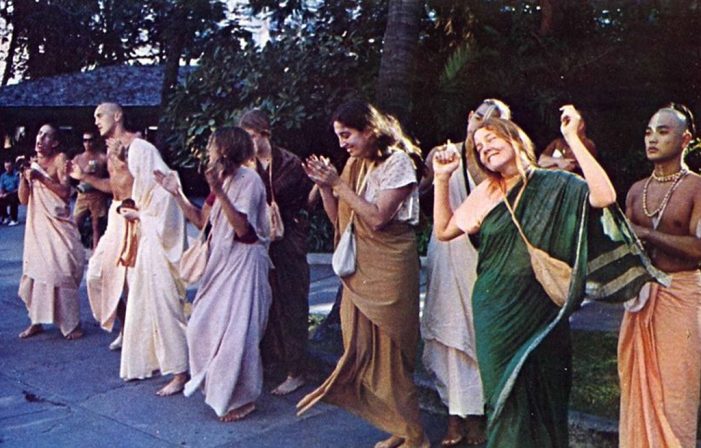
Mr. Susskind: A particularly colorful group, often seen dancing and chanting in the major cities of this country—New York and Chicago and Detroit and Pittsburgh—is called the Hare Krsna movement. Because their names are extremely difficult to pronounce, I’m going to ask my guests to introduce themselves. What is your name? Rupanuga: My name is […]
It is by intelligence that I can understand that this body is not me. I may say, “My hand, my head, my arm,” but the use of the possessive pronoun indicates that these are my possessions and that I am situated apart from them.
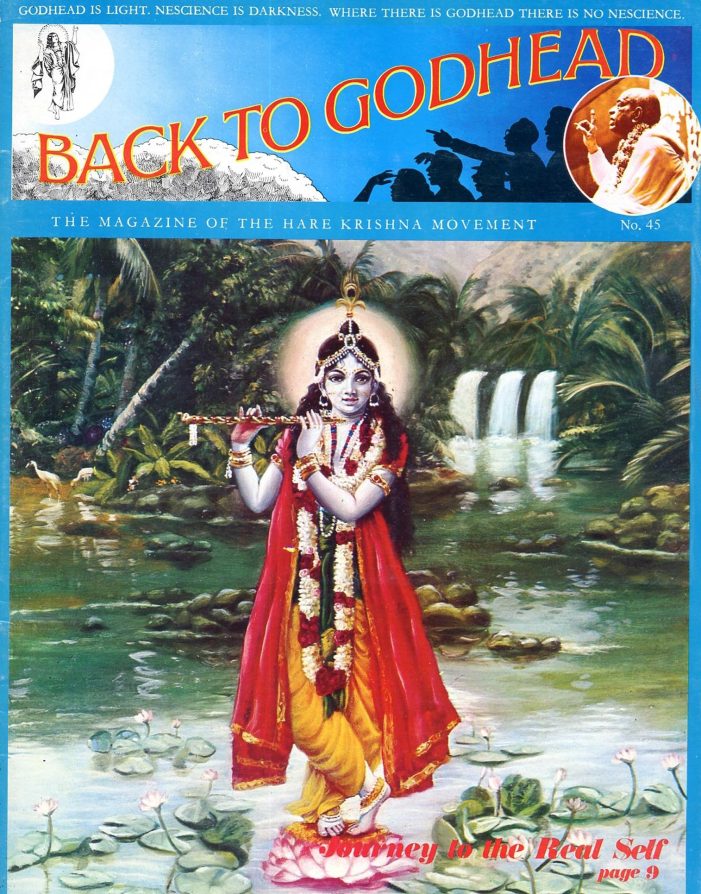
Back to Godhead is about Krsna (pronounced “Krishna”), the Supreme Personality of Godhead. Krsna is a Sanskrit word meaning God, the All-Attractive. Our magazine is intended to bring a revival of God consciousness to people of modern civilization, most of whom have forgotten what God is or who think God to be dead, impersonal or […]
I’ve relinquished my position as spiritual master and offered myself, my disciples, and all our wealth at the feet of His Divine Grace A.C. Bhaktivedanta Swami Prabhupada.
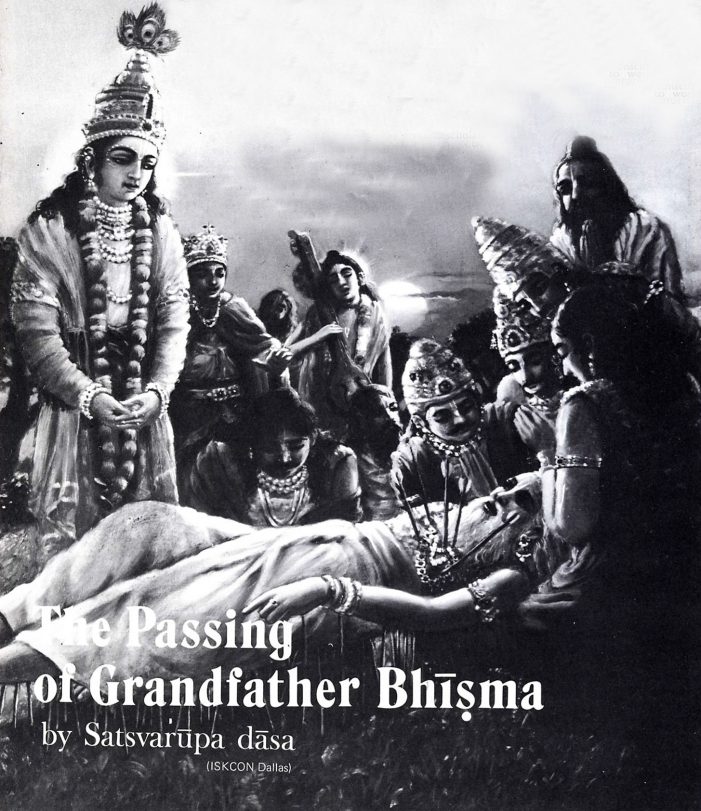
Grandfather Bhisma was lying at the point of death on a bed of arrows which had been shot through his body. Because he was the most famous warrior of his time and an expert yogi, all the great men of the universe went to the Battlefield of Kuruksetra where he lay dying.
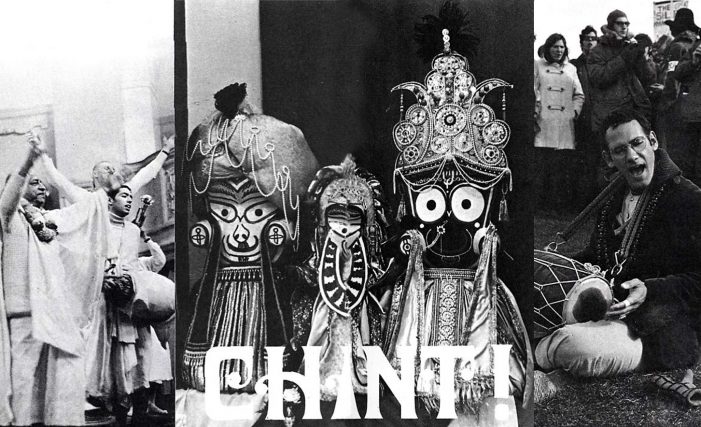
This second part is addressed to Jagannatha Svami (literally, “Lord of the Universe”), the Supreme Lord Krsna as He specifically appears in the Deity manifestation carved hundreds of years ago by Visvakarma, the sculptor incarnation.