The Scholar and the Boatman
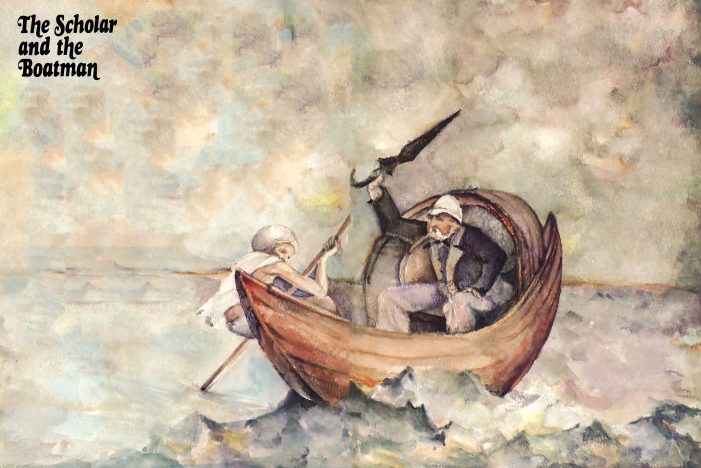
"Boatman," the scholar opened, "while you're out here have you ever thought about the relationship between total torque and crosscurrent impact?" "No, sir, I can't say that I have."

"Boatman," the scholar opened, "while you're out here have you ever thought about the relationship between total torque and crosscurrent impact?" "No, sir, I can't say that I have."
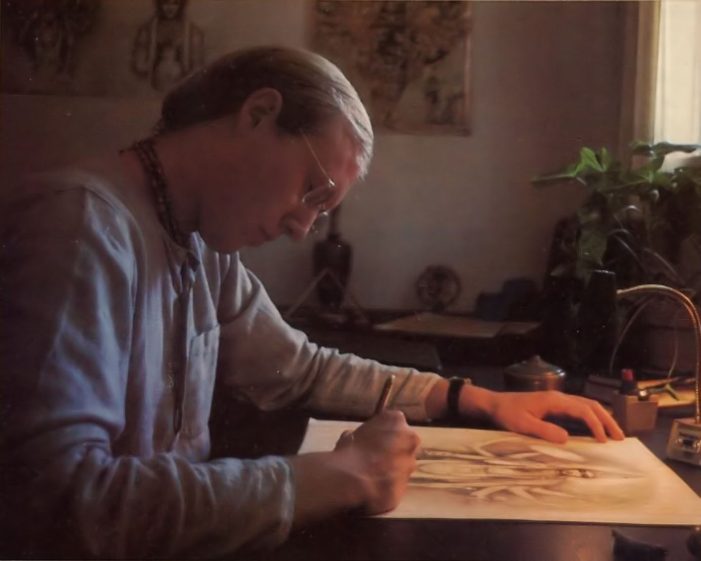
I always appreciated art that pointed in a high direction. I was looking for beautiful form, and when I started to hear about Krishna, His form was something I naturally became interested in.
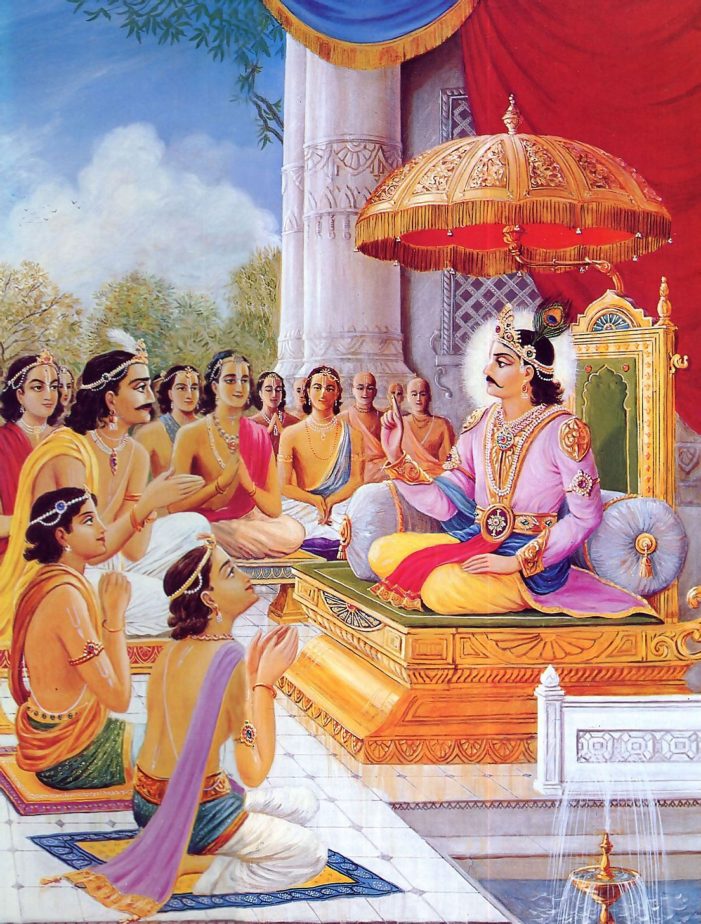
We should not spoil this human form of life by acting like the hogs, then what is human life meant for? Austerity and penance. You should voluntarily accept some regulative principles, even if they are not very much to your liking.
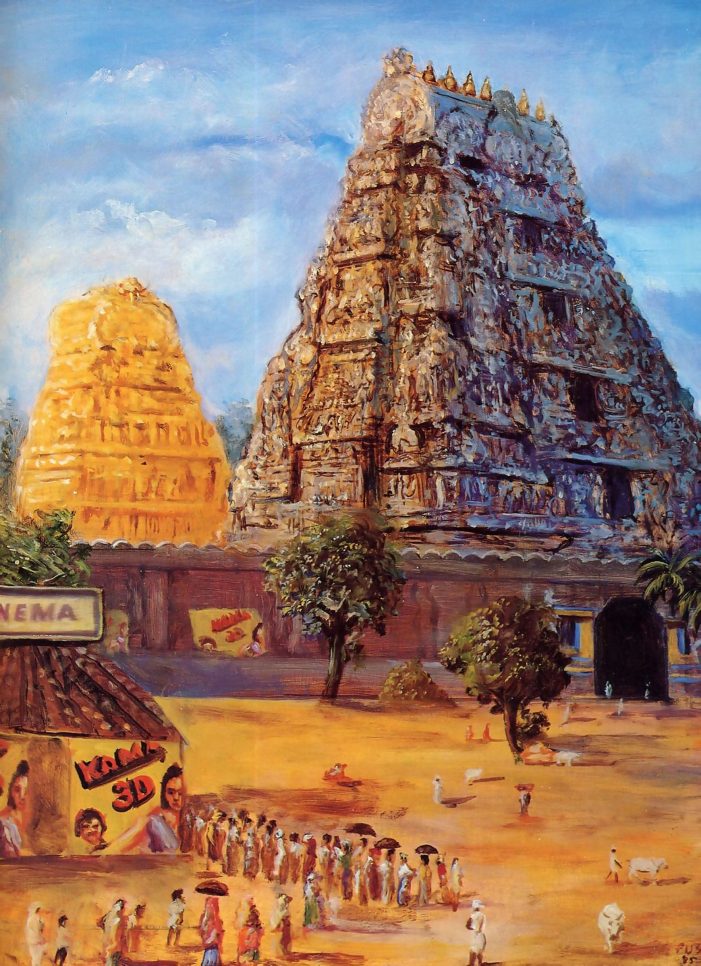
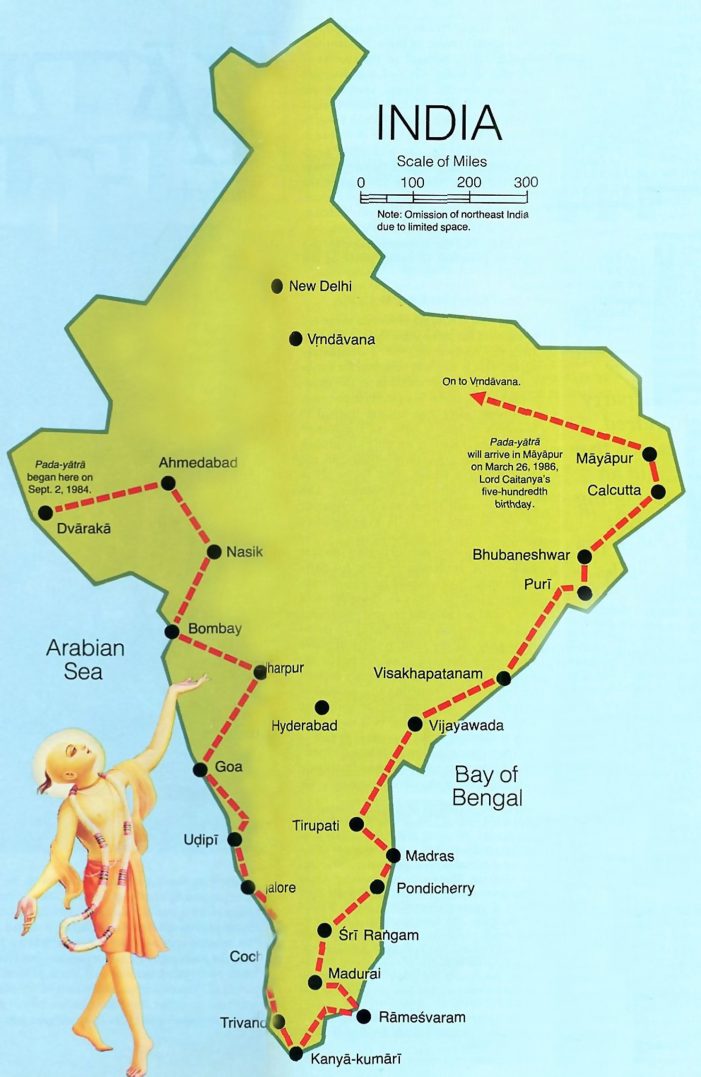
I’m in a peaceful little village, seventy kilometers north of Pondicherry. But while I write, trying my best to concentrate, the villagers we’re staying with have gathered in the next room—to watch the cinema, on television.
We want to introduce Srila Prabhupada as the specially empowered representative of Lord Caitanya who fulfilled His prediction that the holy name of Krsna will be preached in every town and village in the world.

There’s a long history to bumper stickers. It began with Stone Age cave dwellers, who sometimes painted pictures on the walls of their homes. Later on, the Egyptians invented pyramids and decorated them with hieroglyphics.
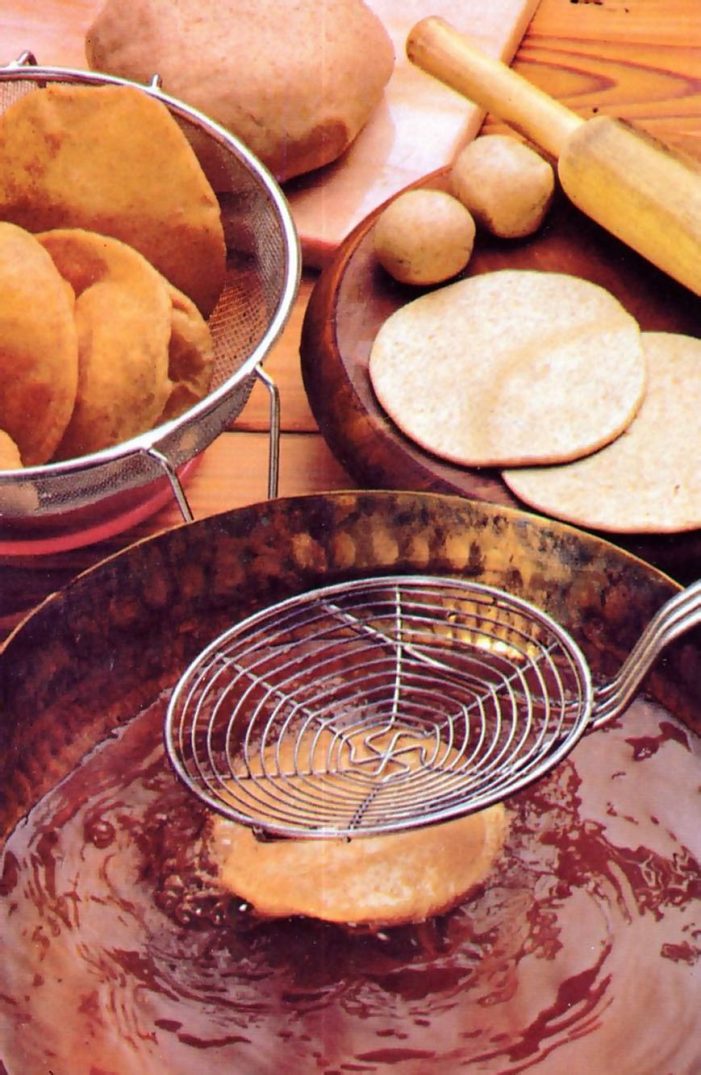
We would sit together and eat fresh hot puris with hot milk. For me it is hard to see how Westerners enjoy dry bread when there is something as wonderful as puris.
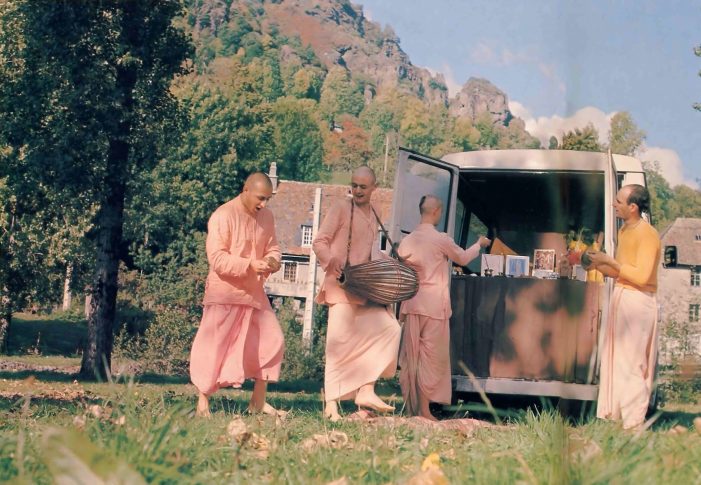
We are five in the van and the hardy mood of spiritual pioneering predominates. There is a distinct sense of mission. We travel to the remotest corners of France to distribute the books of His Divine Grace A.C. Bhaktivedanta Swami Prabhupada.
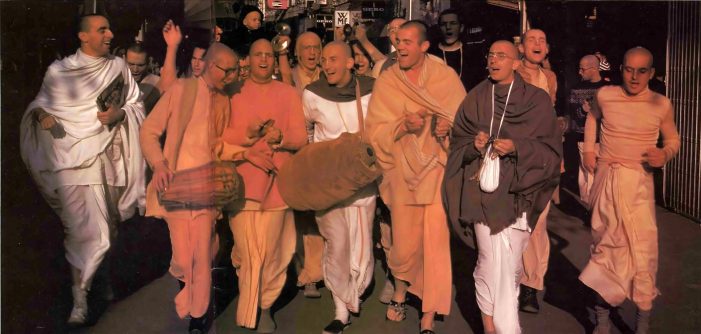
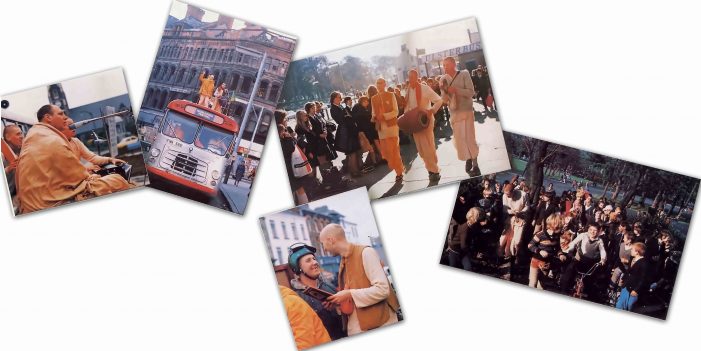
ISKCON Devotees chanting Hare Krishna downtown and standing before the Amsterdam center of the International Society for Krishna Consciousness. 1977.
Traveling north from Kanya-kumari, in a few days we come to the village of Tirukkurungudi, once visited by Sri Caitanya Mahaprabhu nearly five hundred years ago.
Nobody will agree to work to satisfy someone else’s senses, because everyone is thinking, “I want to satisfy my senses.” But if that is the position, then we have to ask, “Are the senses of this body mine?” That people do not ask.

Badas in India were one of my favorite dishes, but in Oregon it was such an ordeal to make them that my taste for them dramatically waned. Making badas with a blender eliminates the grind and adds to the pleasure of cooking classic Vedic dishes.

It was the eve of Rajoman’s wedding. In anticipation he put on his finest silk turban, and robes. His father called him, “Rajoman! Please hurry! It’s getting late and we have a long journey before us!”
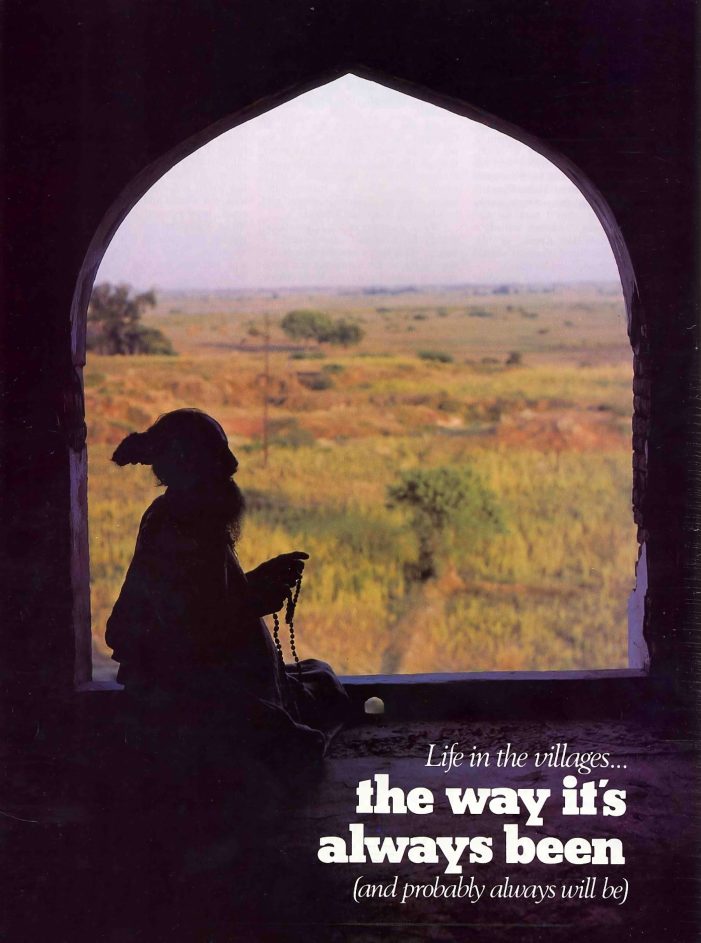
Someone asked Gandhi, “What do you think of Western civilization?” “I think it would be a good idea,” he said. “The real strength of India lies in her villages.”
A former civil rights worker went to war-torn Northern Ireland with an ancient peace formula. It was disarmingly simple.
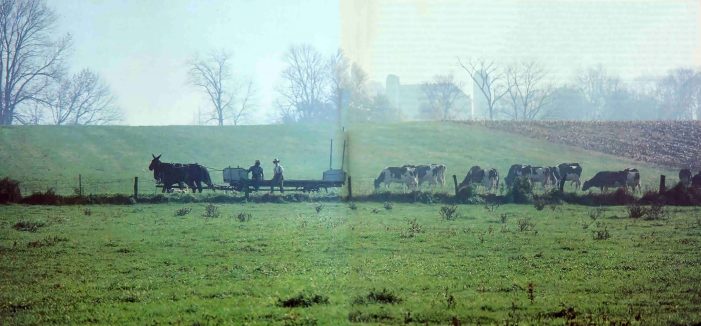
People of all ages, especially young people, are investigating country life as a way around dependence upon oil and machinery and the health hazards of artificial fertilizers and insecticides.

Steaming hot and full of fruit, nuts, and buttery, wheaty goodness, halava will fuel you through the morning in good style. So, whether you’re going to climb the Himalayas or catch the 8:01, try going with your grain—halava.
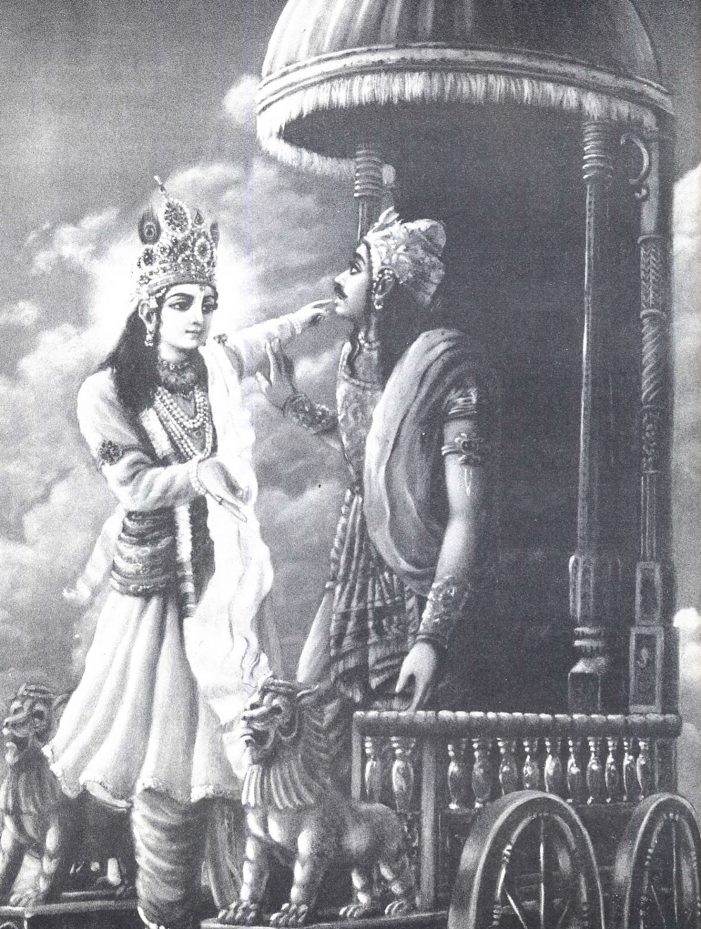
The individual soul needlessly accepts material body after body to enjoy in assorted avenues of sense gratification within the material world. Ignorant of his true nature, he becomes attracted by ever-changing material forms and seeks to enjoy them.
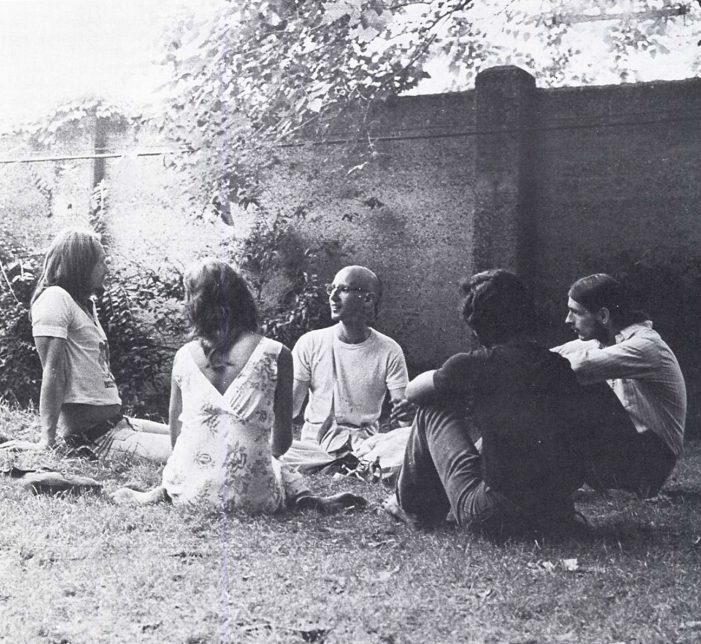
Human society is being misled by leaders who are blind, for they do not know the aim and objective of human life, which is self-realization and the reestablishment of our lost relationship with the Supreme Personality of Godhead.
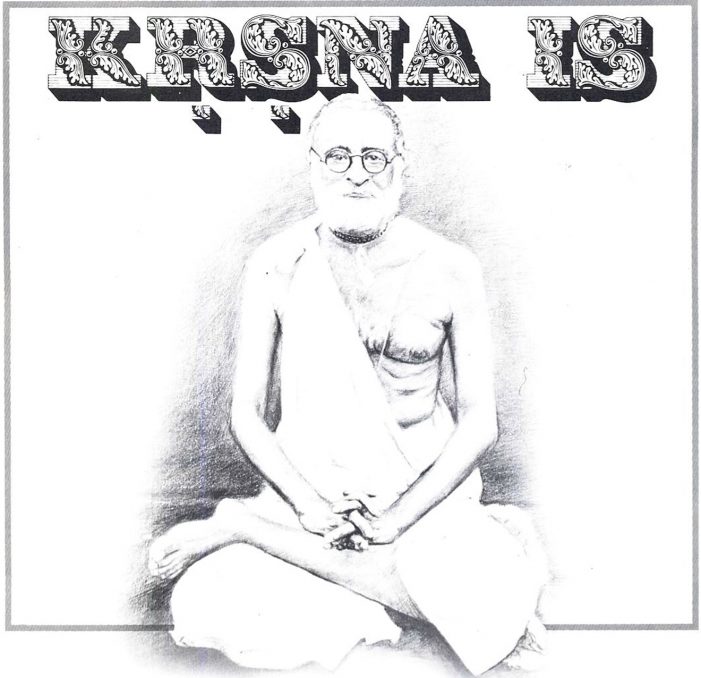
Quotes by Srila Bhaktsiddhanta Sarasvati Thakur from Srimad-Bhagavatam and Bhagavad-gita on the nature of Krsna.