Traveling and Preaching with Radha Damodara
Everywhere we hold Krishna conscious festivals. People become inspired to join us. Soon we hope to see hundreds of buses bringing these blissful festivals to every town and village.
Everywhere we hold Krishna conscious festivals. People become inspired to join us. Soon we hope to see hundreds of buses bringing these blissful festivals to every town and village.
This is the great chanting for peace. It means: “O my Lord, O energy of the Lord, please engage me in Your service.” This is the one true universal and eternal religion: service to the Lord, who is known as Krishna, Rama, Jehovah, Allah, and many other names.
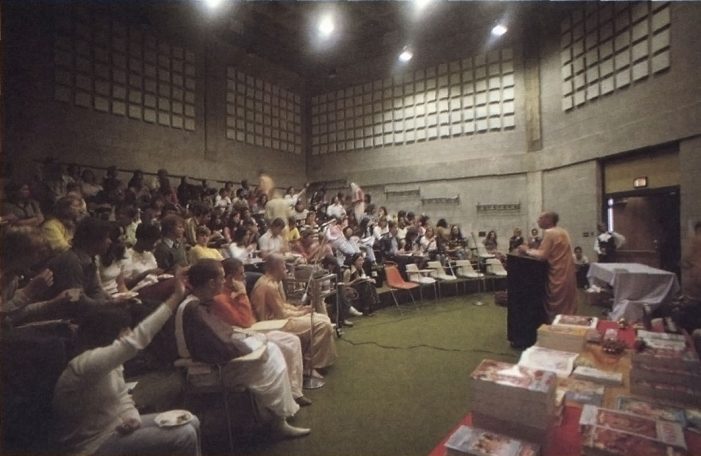
In Britain, like everywhere in the West, the most immediate and serious interest in the Krishna consciousness movement is found in the younger generation–particularly among some sections of the student and “hip” communities. There are several reasons for this, one being that young people are generally less set in their ways and therefore more liberal in examining new horizons.
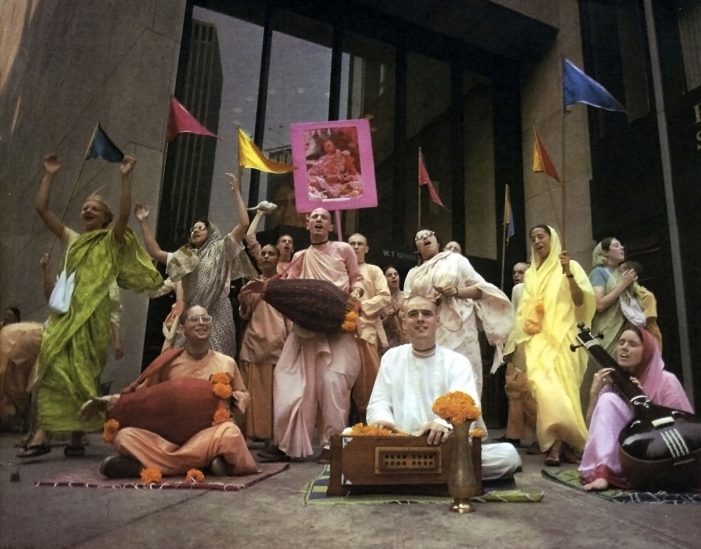
The Hare Krishna mantra is for everyone, regardless of one’s religious faith, nationality, race, creed or occupation. This sound vibration is transcendental to all boundaries because it cannot be affected by material conditions; therefore anyone can chant it freely, at any time, in any place or under any circumstances.
All the press operations, including shooting with a copy camera, designing, spotting, stripping, printing, cutting and binding, are carried out by the disciples, with the intention of pleasing the Supreme Personality of Godhead and His pure devotee, Srila Prabhupada.
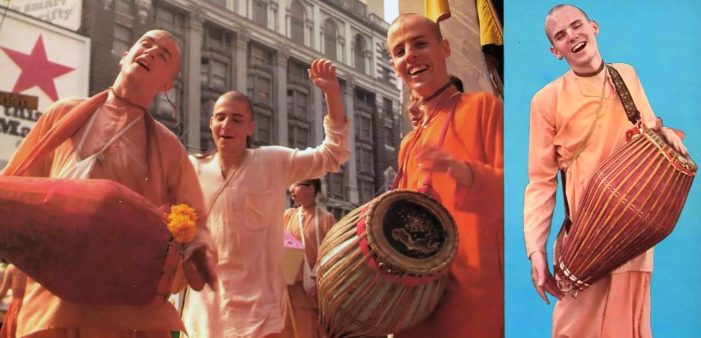
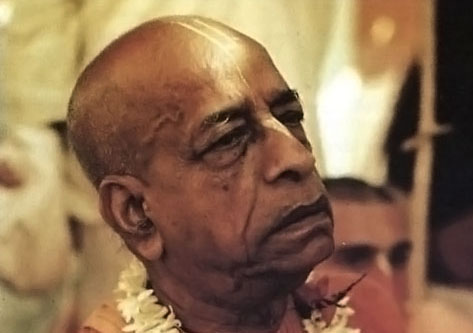
ISKCON is working to fulfill Lord Caitanya’s prophecy that in this Age of Kali the holy name of Krishna will be heard in every city, village and town. Srila Prabhupada left India, at the age of seventy to found the Krishna consciousness movement to execute this mission.
What thoughts cross your mind when you are asked what you think or know about a Hare Krishna devotee? What is his background? Why is he a devotee? What are his cherished goals? How does he live his private life? What is a typical day for a devotee? Most people do not know the answers to these questions. In order to clear up these questions for a large number of people, we would like to present a typical devotee.
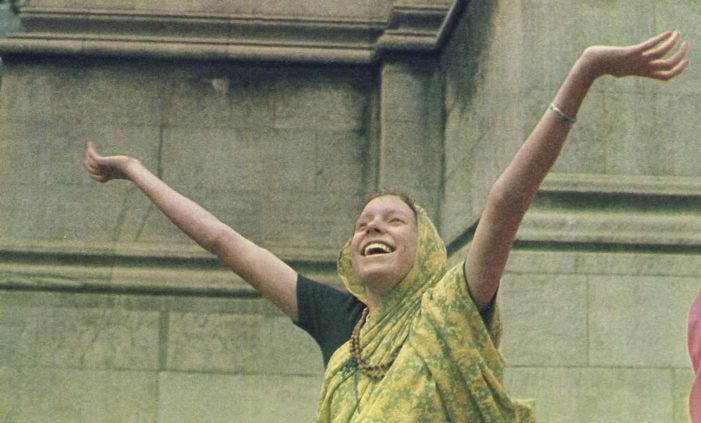
Who am I? Where did I come from before birth, and after death where am I going? What is this universe? Is it chaotic madness, or does it follow a plan? Why must I die? Grow old? Feel pain? Is there real happiness here? Or is it somewhere else?
Most forms of meditation are virtually impossible to perform in the modern world, and therefore one should learn to meditate by the simple method of chanting and hearing the Hare Krishna maha-mantra.
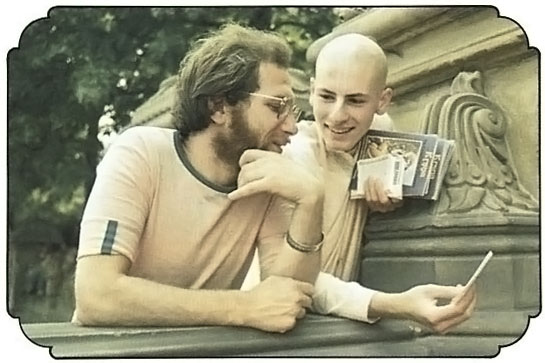
Distributing Back to Godhead, I could see many people around me in the position I used to be in–depressed, despite having made all arrangements for pleasure through music and drugs–and this made me more eager to give everyone the transcendental knowledge of my spiritual master’s magazine.
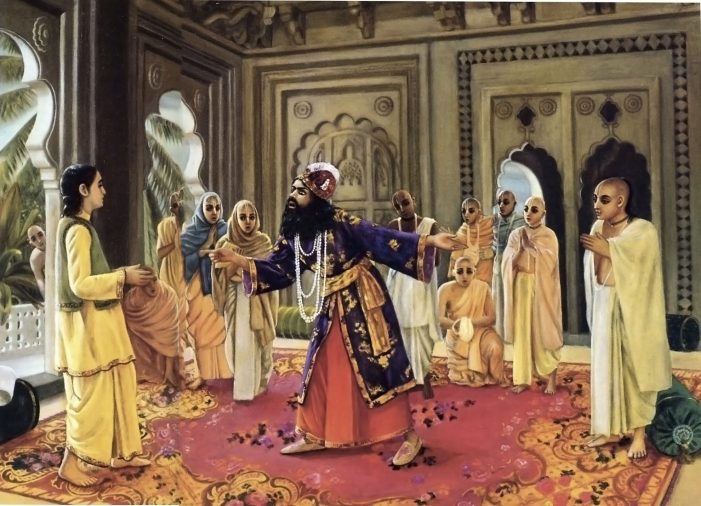
Five hundred years ago, Sanatana Gosvami was a central figure in the government of Bengal, but by leaving his governmental responsibilities to surrender to Lord Caitanya, he fulfilled a far more important responsibility to both himself and humanity in the service of the Supreme Lord.
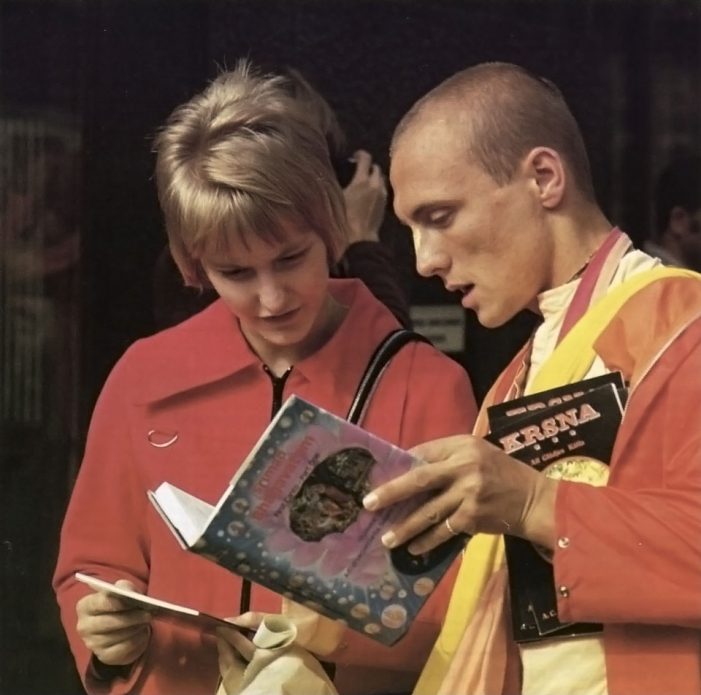
Whatever your interest, it can be satisfied here because the subject of Back to Godhead is Krishna. Krishna, which literally means “the All-attractive,” is a name of the original form of God.
Back to Godhead magazine is for intelligent people only. To be intelligent, one need not have a university degree or engage in intellectual word jugglery because the higher intelligence required for understanding Back to Godhead is not a matter of mundane academic research. The really intelligent person is one who will accept information about God from higher authorities and regard the science of Krishna consciousness as valuable and important.
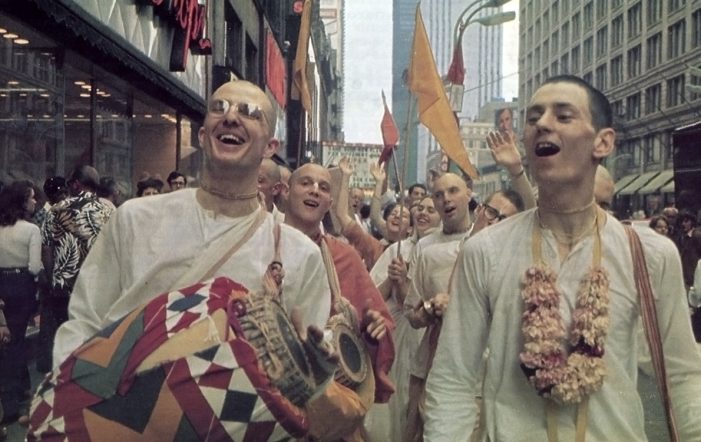
“In the age of Kali (Quarrel and Hypocrisy) the chanting of the holy name is the best means of God-realization. There is no other alternative, no other alternative, no other alternative”
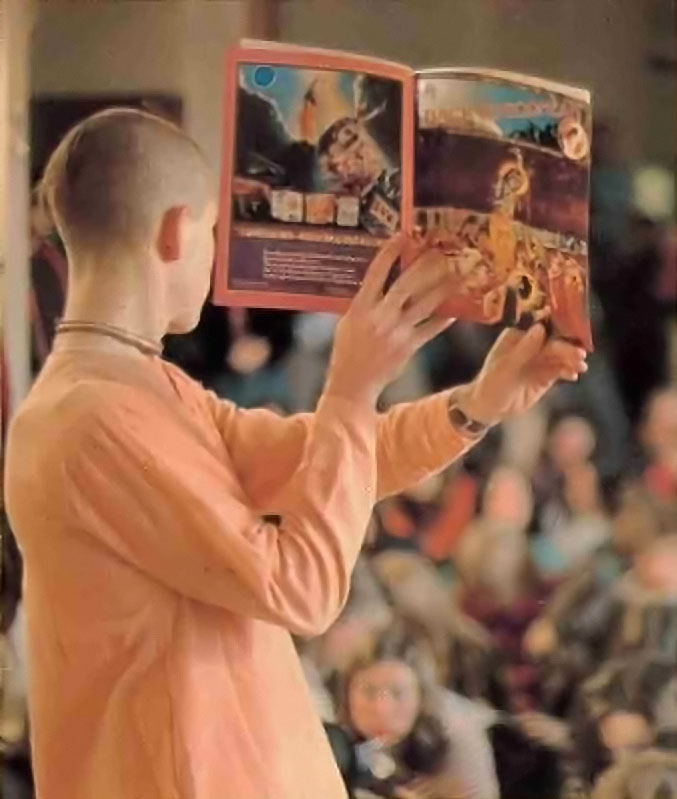
Seemingly devout Hindus say, “Why are you teaching of Krishna in America? To follow the Vedas you have to be born in India.” Is Krishna’s message, then, just for a few?
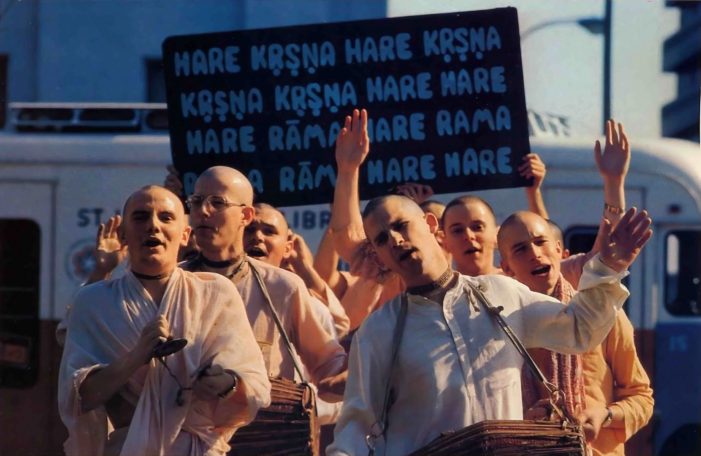
The scriptures and the saints and spiritual masters through the ages all say that chanting the Lord’s holy names is the best way to make spiritual advancement in this difficult time. Besides, it’s practical; it works.
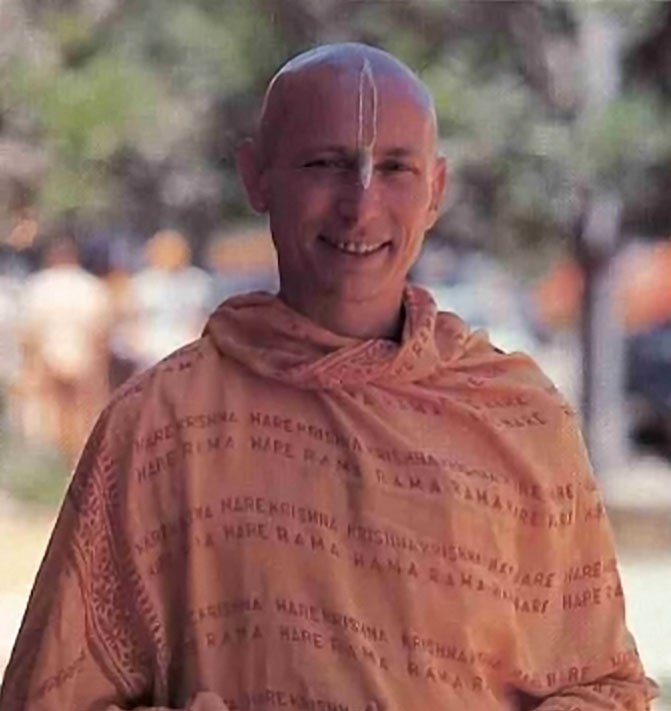
He was an expert hatha-yogi in the respected order of spiritual life (sannyasa), and had been running a major yoga center in New York for thirteen years.
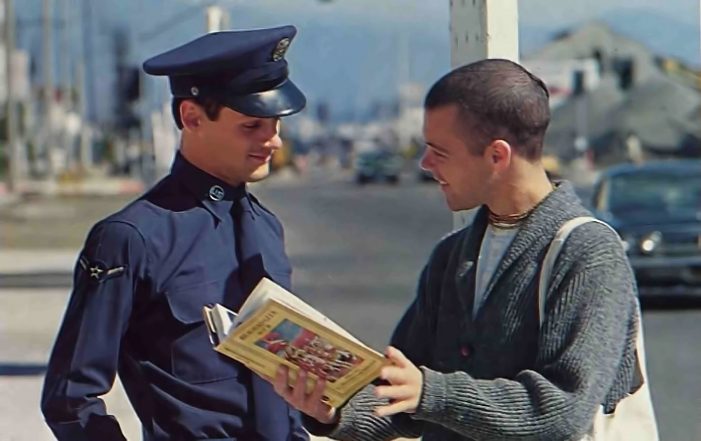
I’d been distributing my spiritual master’s books to San Antonio servicemen since nine o’clock that morning. Now I had to catch the bus from the base back into the city to join the other members of my group.

Whats a Hare Krishna doing dressed up like Santa? Nowadays we usually think of Santa as some kind of wintertime Daddy Warbucks who”ll satisfy our craving for more and more material things. But ‘Santa’ really means ‘saint.’ The original Santa taught people all about God and how to love God.
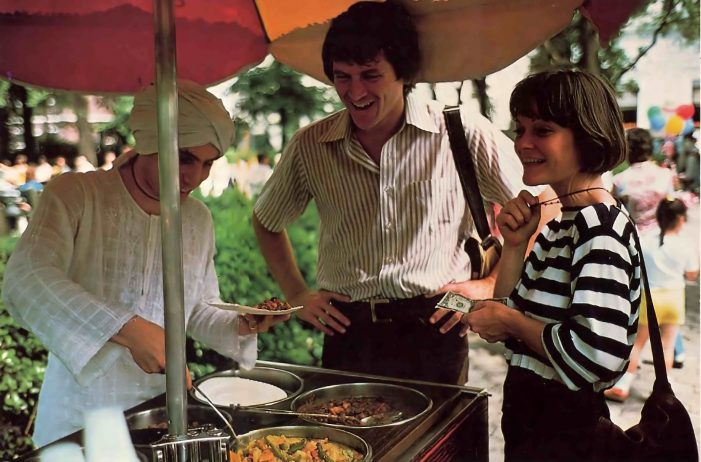
From cow’s milk, says Srila Prabhupada, you get butter and so many other things, and you can add fruit, vegetables, and grains to make hundreds and thousands of preparations–that is real enjoyment. Krishna Prasada.