Tikkis or Tiny Taters? — Lord Krsna’s Cuisine
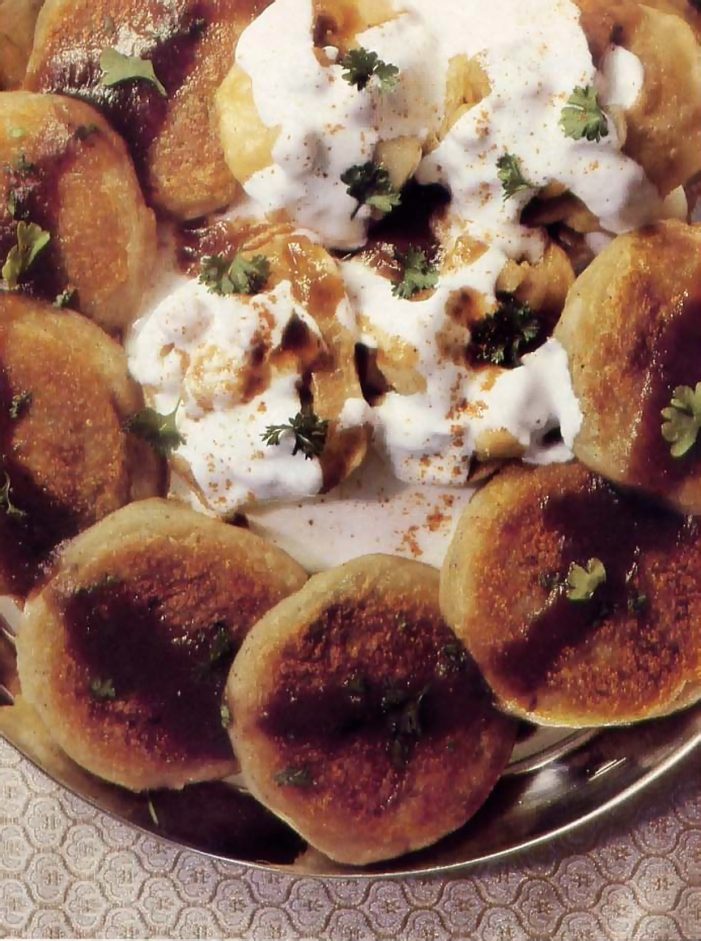
For 79 cents get a one-pound package of Bird’s-Eye Tiny Taters. Or, for 19 cents, you could get a pound of fresh potatoes instead and make tikkis (pronounced “teekees”), pan-fried potato patties.
For 79 cents get a one-pound package of Bird’s-Eye Tiny Taters. Or, for 19 cents, you could get a pound of fresh potatoes instead and make tikkis (pronounced “teekees”), pan-fried potato patties.
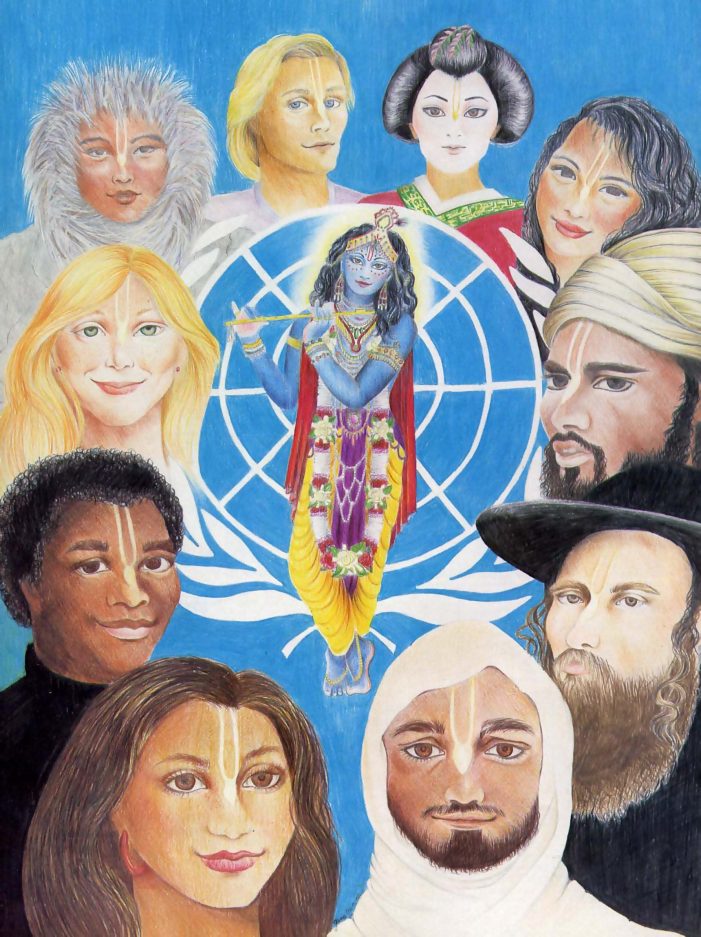
There are many international societies, such as the United Nations. So the idea of an international society is very nice, but we must try to understand what the central idea of an international society should be.
In distress I prayed out loud: “If there is someone behind all this, I want to know You. I will be obedient to Your will.” I prayed from my heart, with every bit of sincerity I could muster. At the time, I thought that if there actually was a God, He must have heard me.
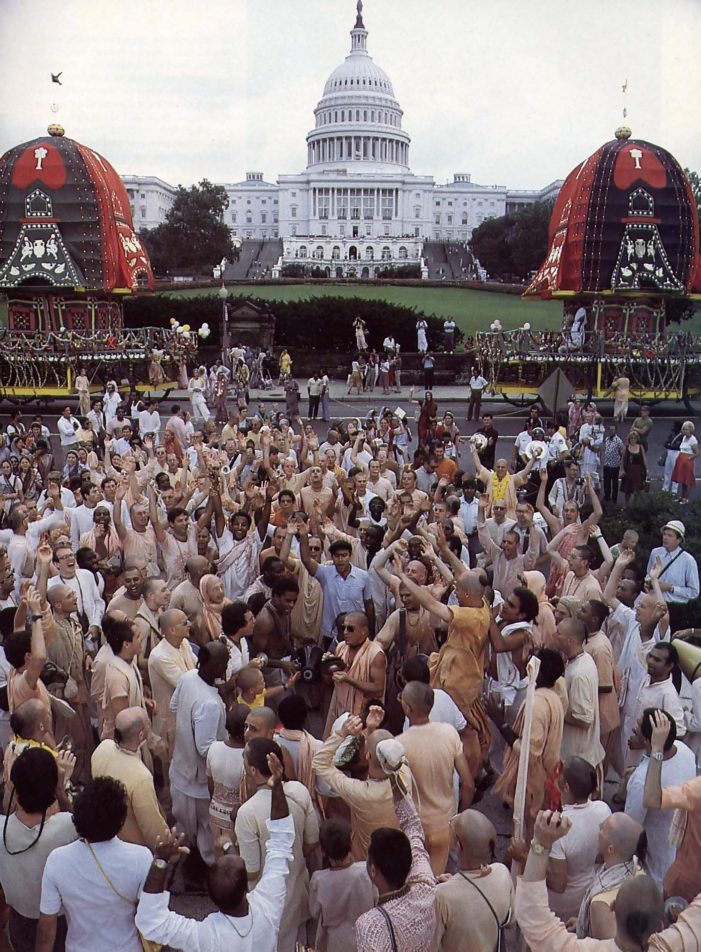
The first annual Ratha-yatra chariot festival in Washington, D.C. Hare Krsna devotees came from around the country and at the foot of the Washington Monument thousands of well-wishers, friends, and onlookers joined them for the parade to the Capitol.
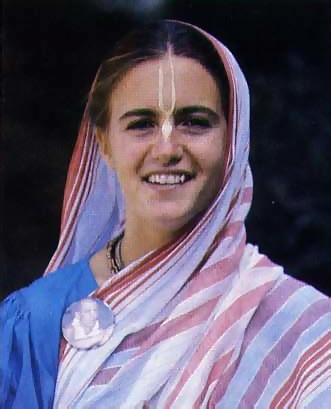
They threw me in the van, lay on top of me, and gagged me. From the back of the van my mother and stepfather came forward and said, “It’s all right, Kim, you’ve been brainwashed by the Hare Krsnas, and these men are going to help you return to normal life.”
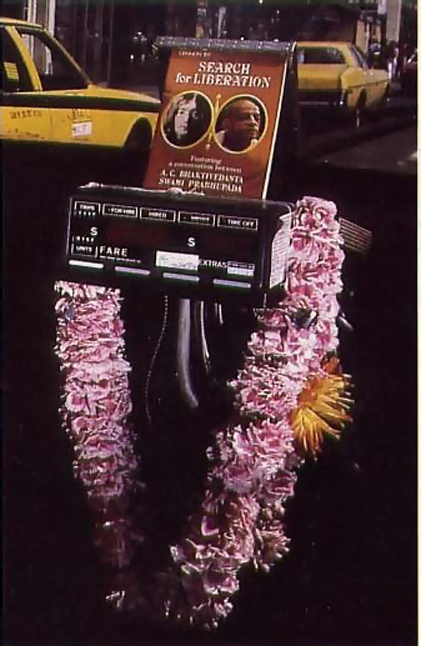
Everyone in New York City thinks he’s a philosopher. And who do they talk with about politics, religion, traffic, and the weather? Not their psychiatrists, business associates, or even their families as much as the New York cabbie.
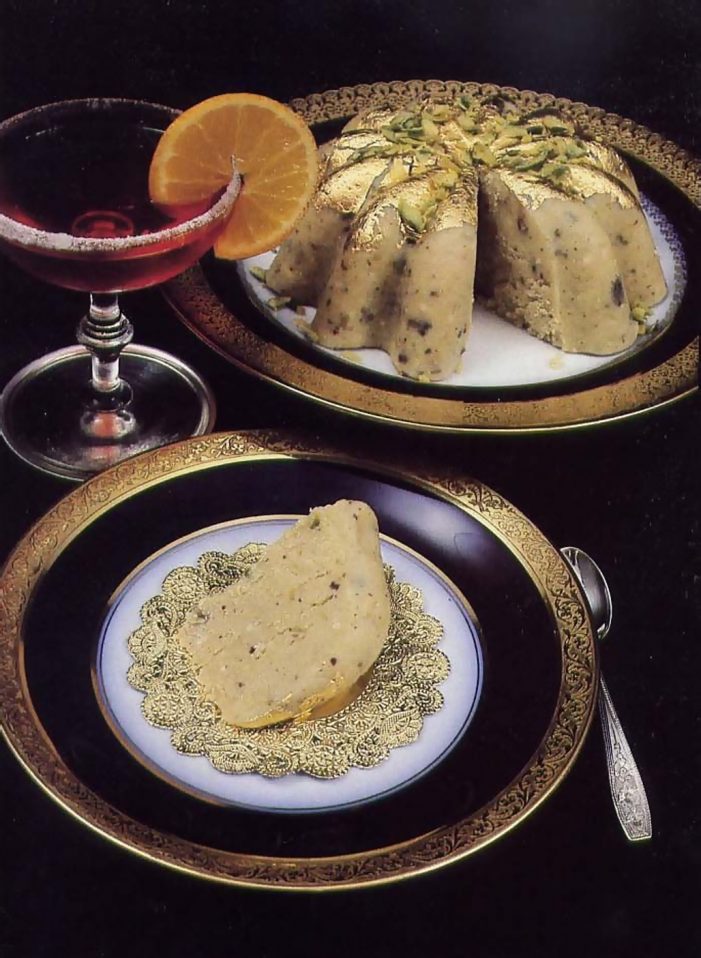
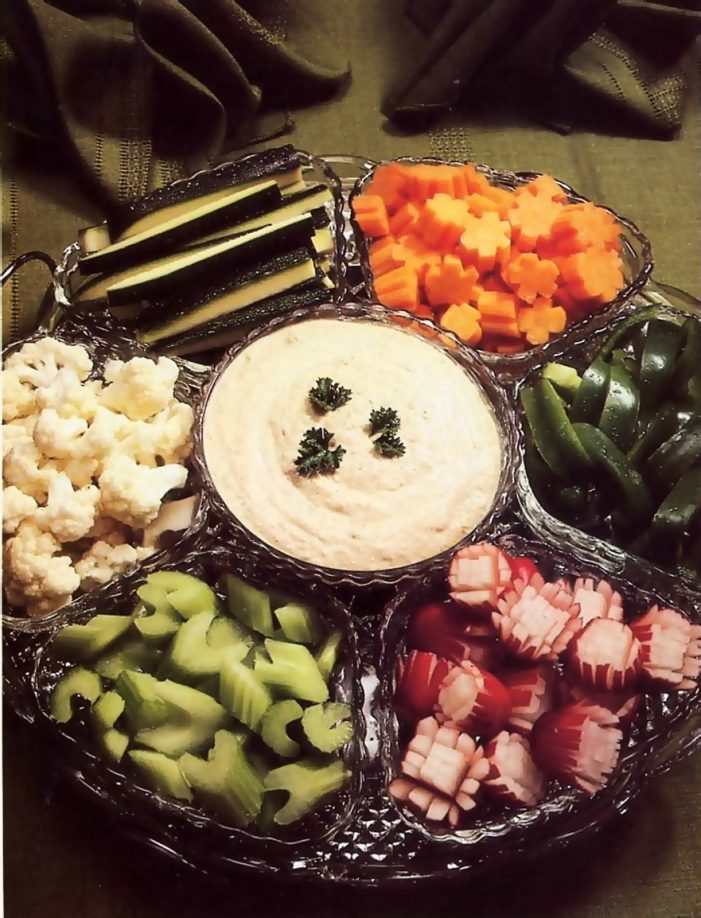
How can a twentieth-century woman simply stand there cutting a cauliflower, with the Middle East in crisis, millions going hungry, and the national economy tottering?
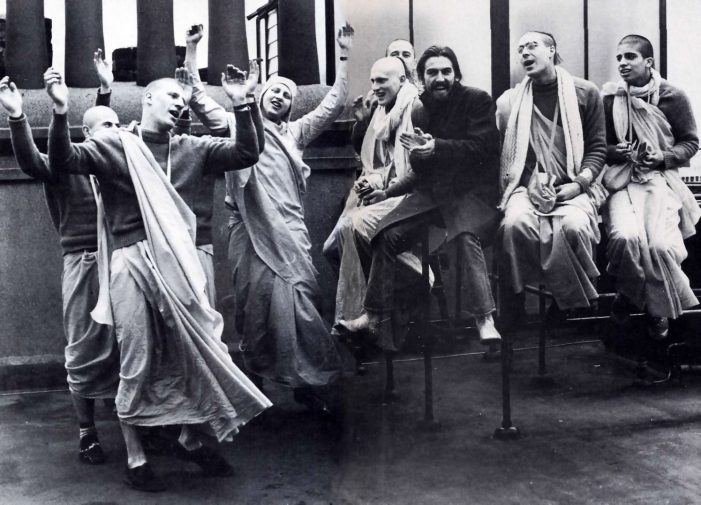
By the time the Hare Krsna movement first came to England in 1969, John and I had already gotten a hold of Prabhupada’s first album, Krsna Consciousness. We had played it a lot and liked it. That was the first time I’d ever heard the chanting of the maha-mantra.
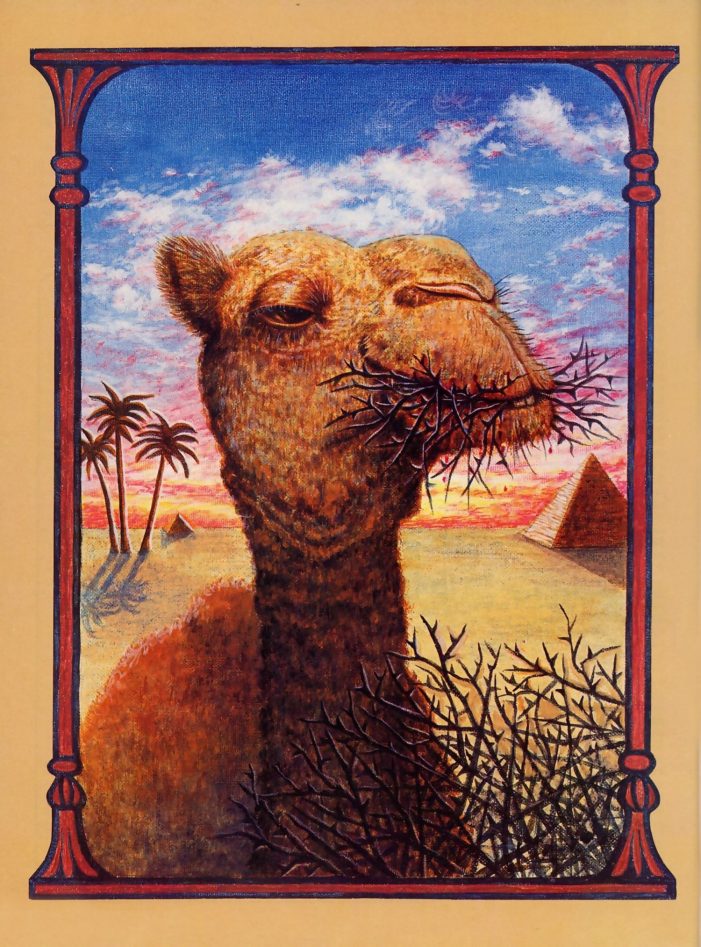
Dumb. That’s the only word for the camel, who often feasts on thorny bushes, mangles his mouth-and enjoys the taste of his own fresh blood. Never mind the pain and self-mutilation: it’s the taste that counts.
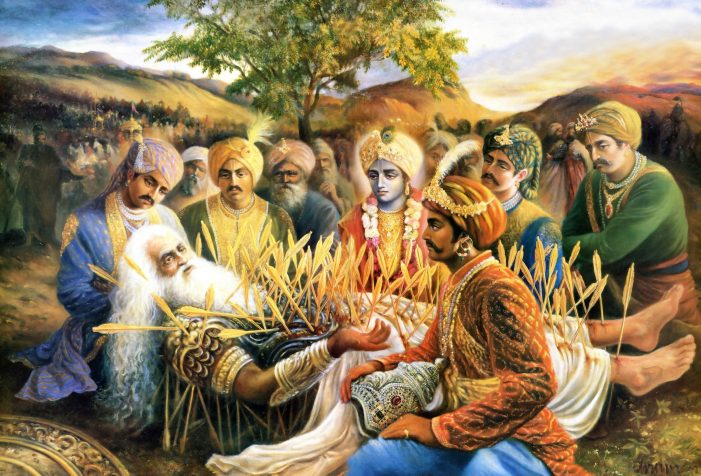
Bhisma was such a fierce and skillful fighter that he was virtually invincible; only by a trick was he mortally wounded. Now, in recognition of his exalted position and his profound devotion to Lord Krsna, many great saints and sages have also gathered to hear his last words.
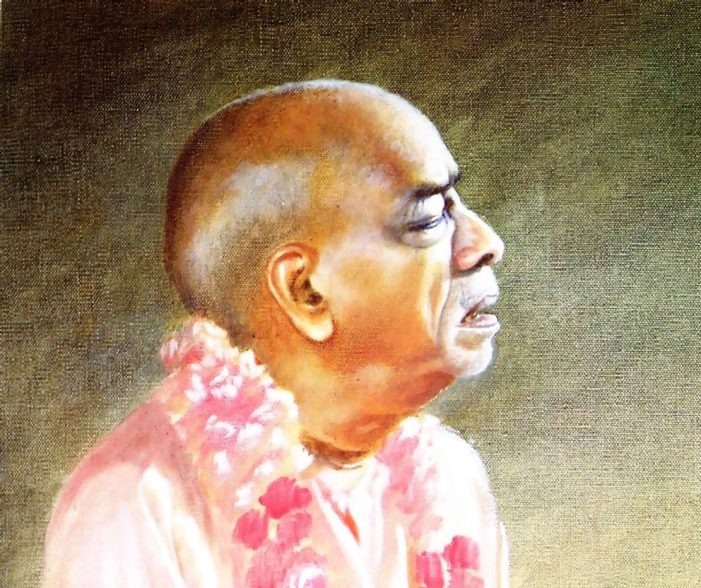
Ladies and gentlemen: Please accept my greetings for the happy new year of 1969. and please accept the blessings of Sri Krsna, the Supreme Personality of Godhead, for your kindly participating in this happy meeting of Krsna consciousness.
Fasting for some political purpose my help us reach some political goal. But the Vedic teachings direct us beyond such goals. Fasting, say the Vedic scriptures, is meant to help us control the mind and senses so we can advance in spiritual realization; it’s not for any other purpose.
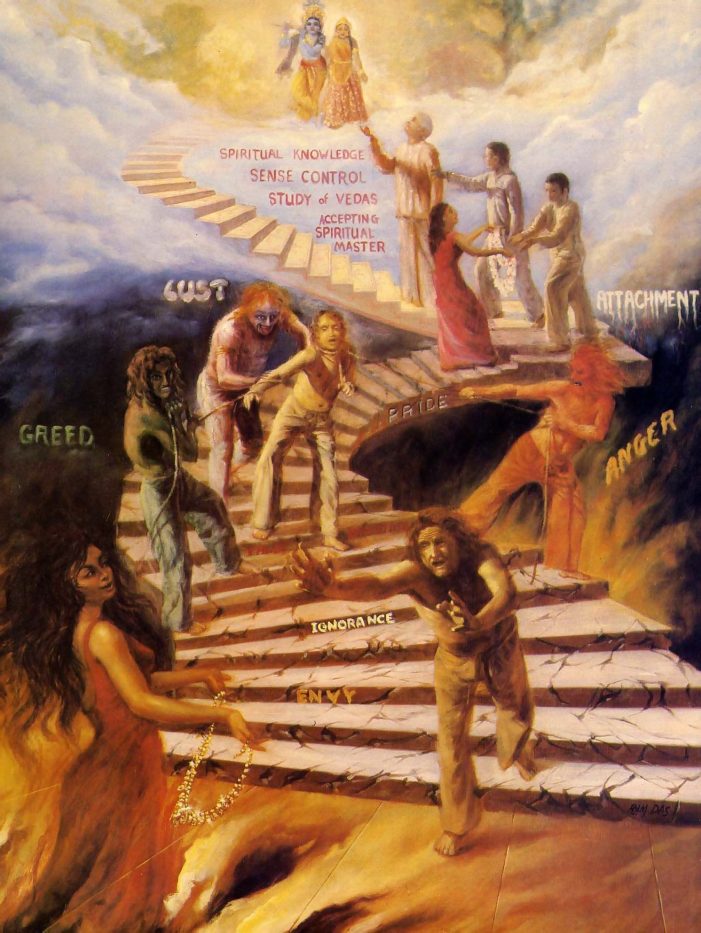
This material nature is constituted in such a way that we have to suffer; it is God’s law. And we are trying to relieve the suffering by patchwork remedies. Everyone is trying to get relief from suffering; that is a fact. The whole struggle for existence is aimed at getting out of suffering.
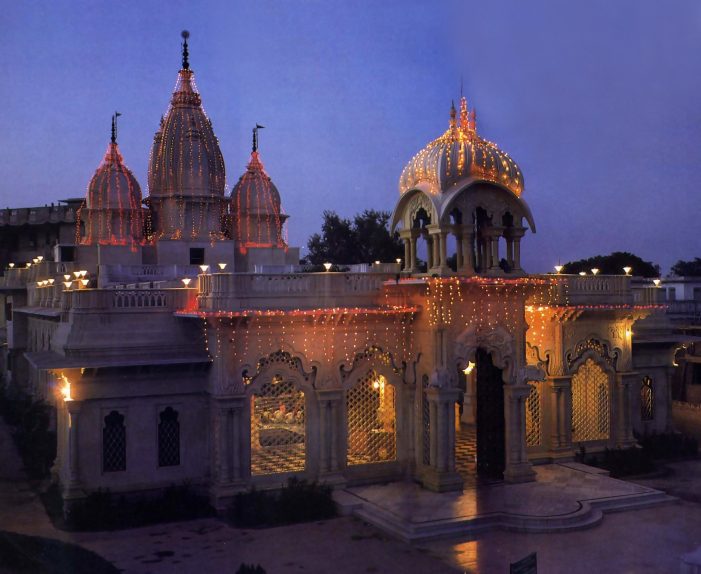
Apart from the hundreds of European and American devotees who come to visit Krsna-Balarama tourists constantly fill the guesthouse and vegetarian restaurant, which are considered Vrndavana’s finest.
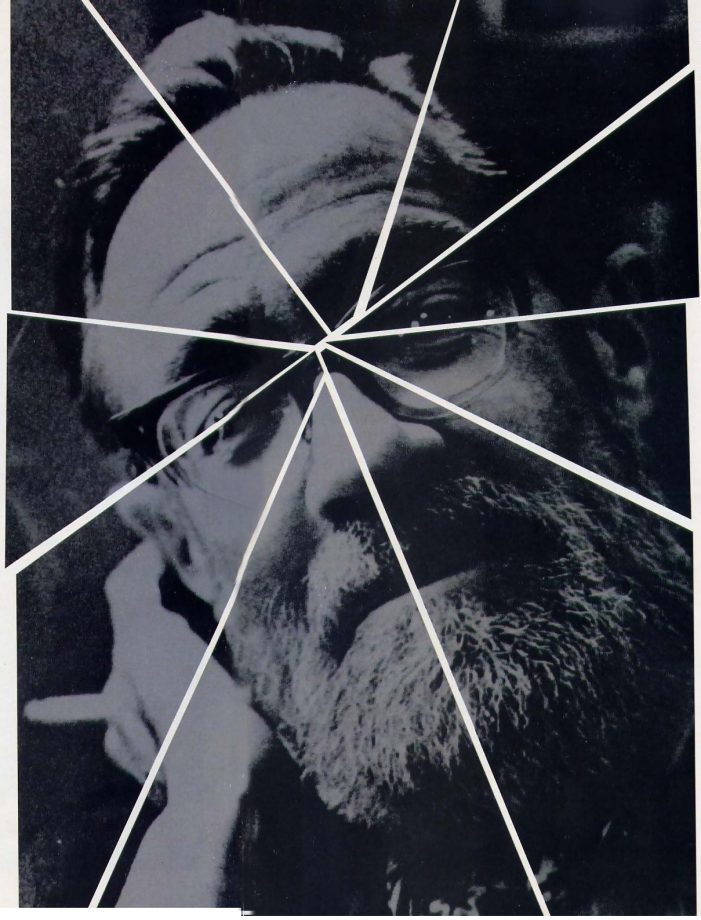
The poet John Berryman was my teacher at the University of Minnesota the year he jumped from a bridge over the Mississippi and killed himself at the age of fifty-seven. In some respects, his suicide puzzled me.
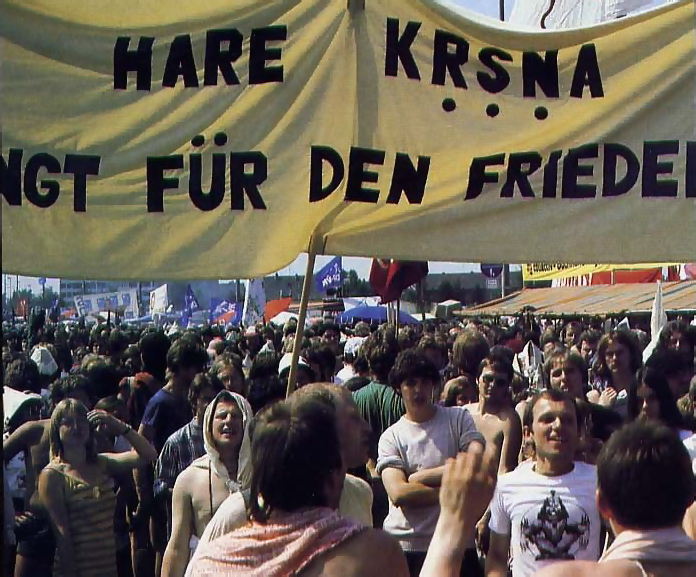
The majority I suppose, came to express—well, in a word, fear. Fear that thermonuclear weapons might blow the world, or a big part of it—or at least their part of it—to pieces. Hot pieces.
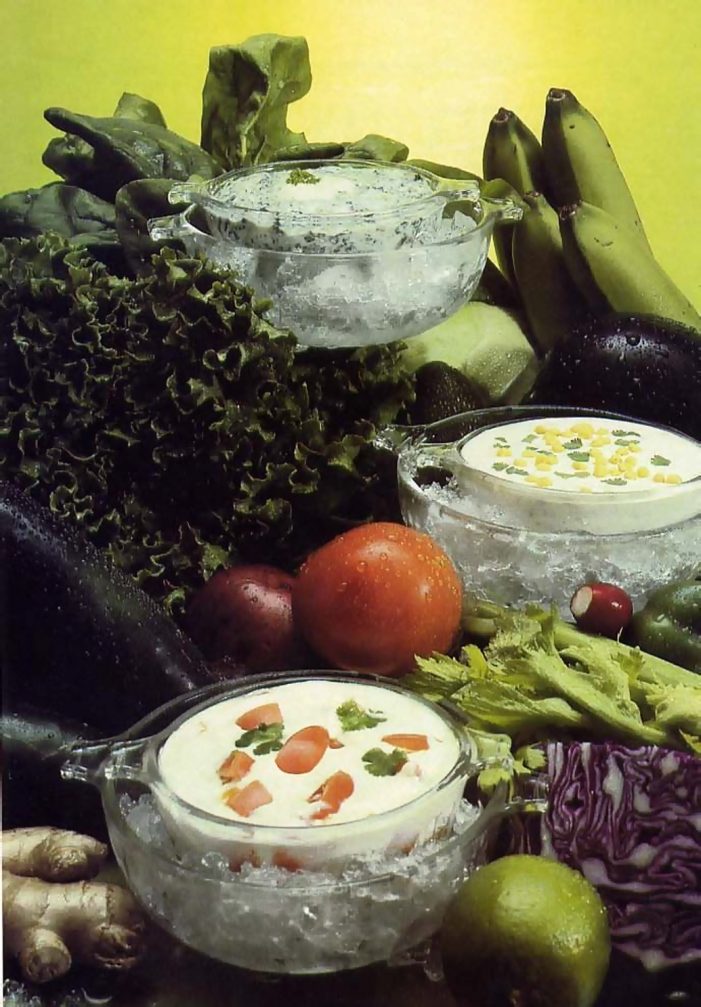
By whom are you being taught what is healthy and what is not healthy? What is you authority? Actually this ‘healthy’ and ‘unhealthy’ is a material consideration. We are simply interested in what Krishna wants. So we offer Him whatever He wants to eat.
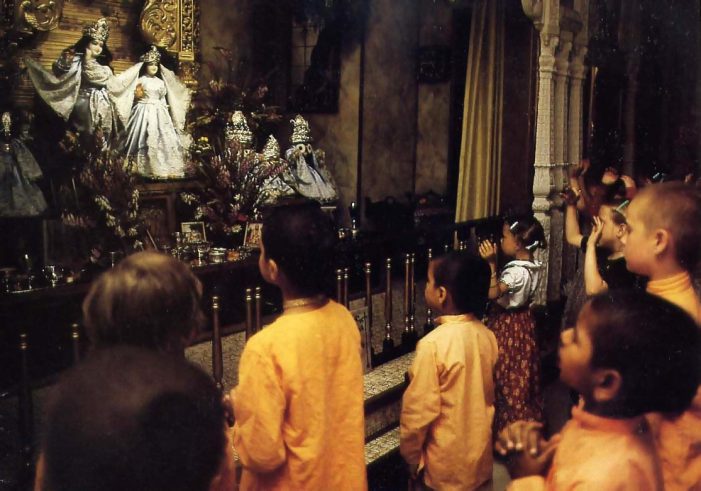
“We learn everything they learn—like English, arithmetic, history, and geography—but we also learn Sanskrit, the Bhagavad-gita, and how to know Krsna. So our education will get us out of the cycle of birth and death, but theirs will keep them in it.”
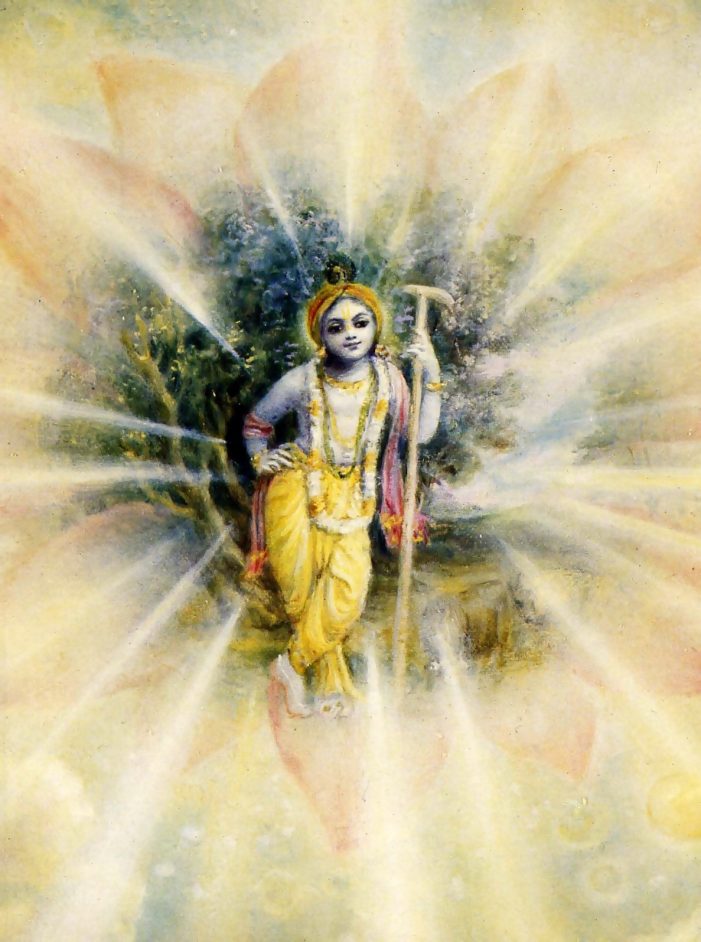
The Vedas describe how great an artist Krsna is. Nobody can be found who is greater than the Supreme Personality of Godhead or equal to Him, and although He is the greatest artist, He doesn’t have to do anything personally.
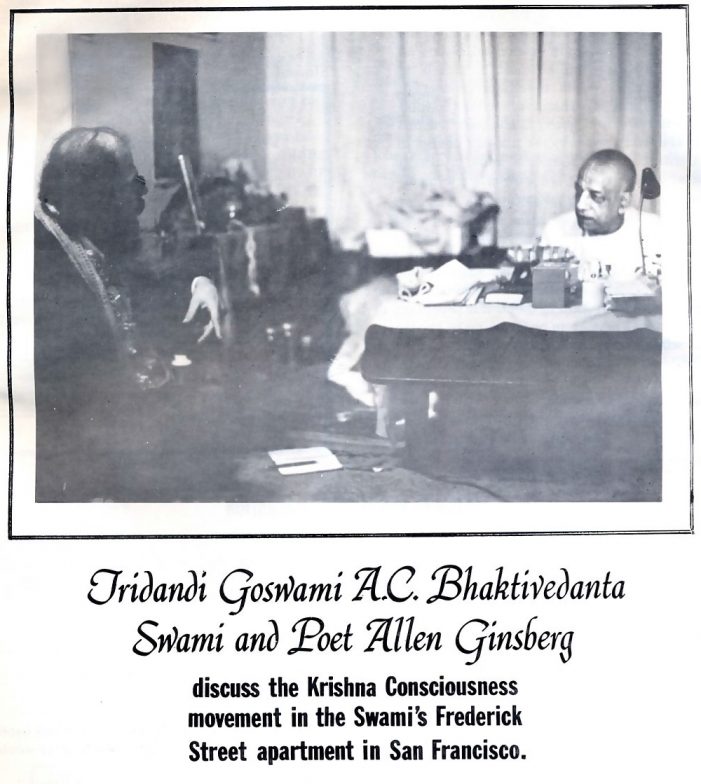
You have not had LSD, Allen? “I have had it.” It is dependence, Allen. “It’s like a car—a mental car—to resolve certain inner things.” Krishna Consciousness resolves everything. Nothing else is needed.