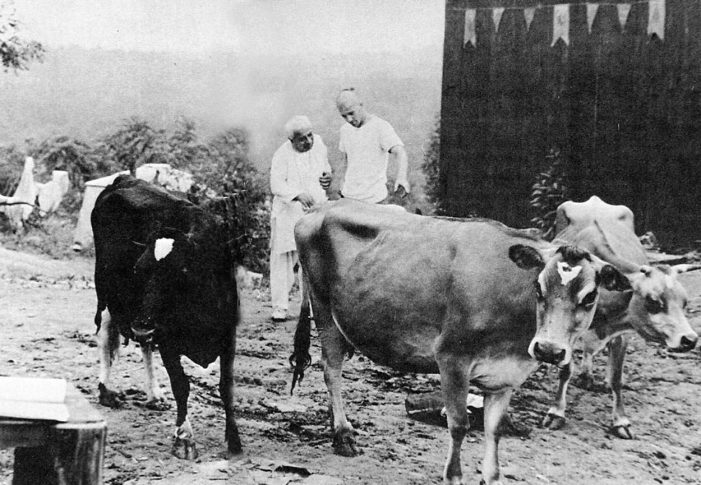
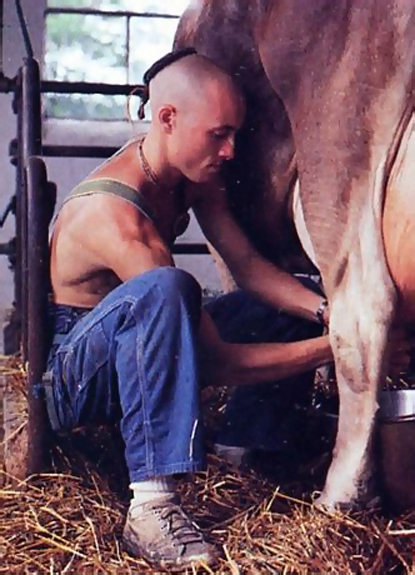
We milk the cows at two o’clock, and as soon as we’re done milking, we go into the temple and attend the morning functions. We’re busy all the time this way, and we don’t fall down to a mundane level.
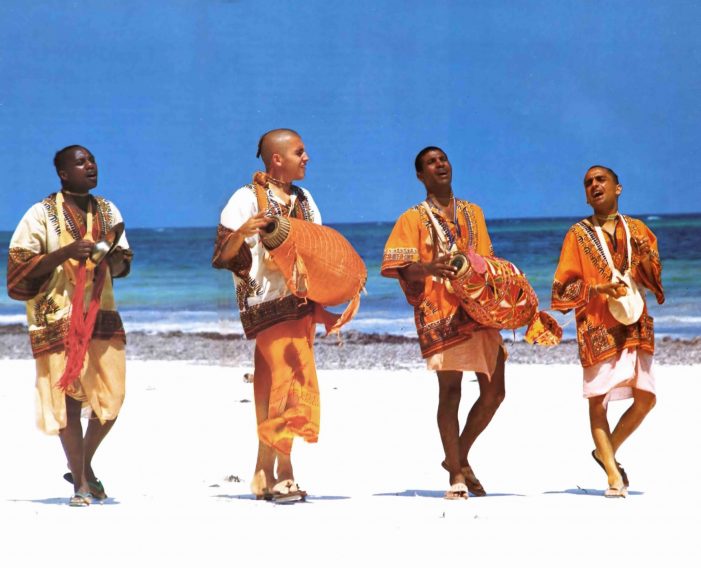
The African mission is the same as everywhere in the world: to go out and present Krishna consciousness and to convince people that Krishna conscious is the solution to their problems.
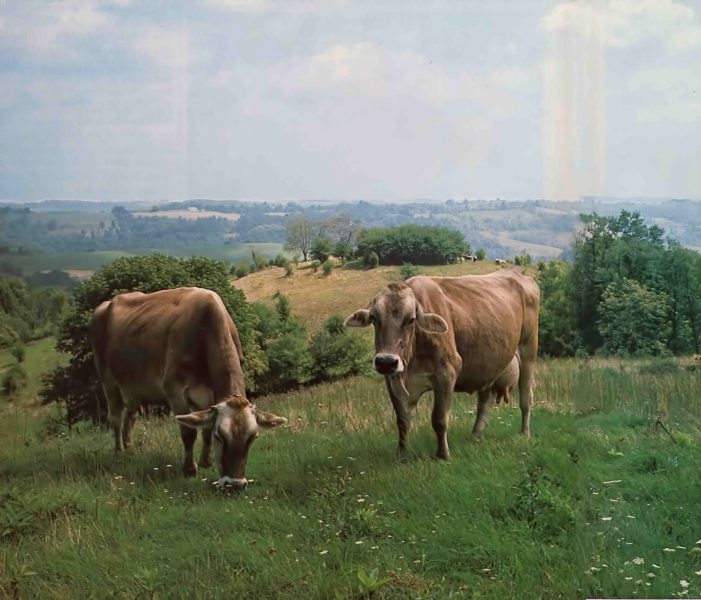
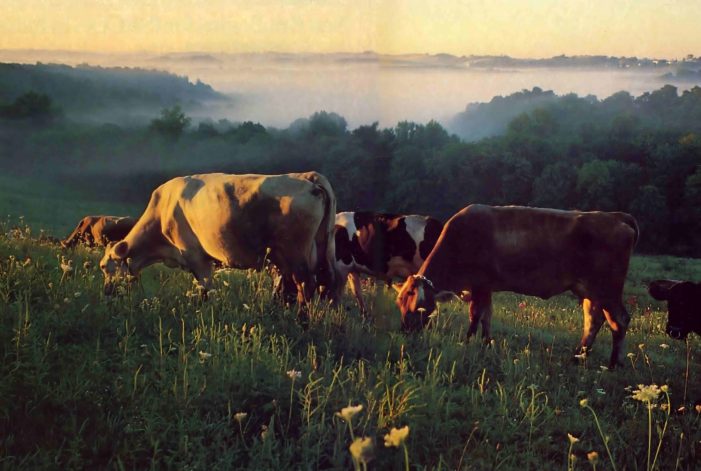
ISKCON devotees from Atlanta purchased a 250-acre farm in the foothills of the Appalachian Mountains of southern with beautiful green hillsides for pasturing the cows.
ISKCON has established fourteen successful farming communities. ISKCON’s farms flourish and grow, proving that the Krishna consciousness movement is providing not only potent spiritual knowledge, but a viable alternative lifestyle as well.
Duties [dharma] executed by men, regardless of occupation, are only so much useless labor if they do not provoke attraction for the message of the Supreme Lord.
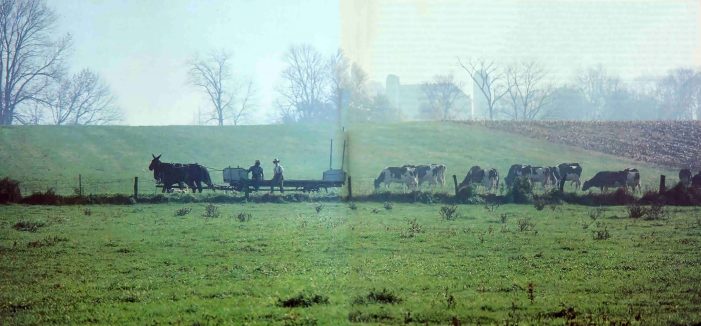
In New Vrindavan, the devotees find that by following the Lord’s example of living with what the land and cows provide, they can easily be free of all economic problems.
Near Port Royal in central Pennsylvania is a spiritual farming community called Gita-nagari, literally “a transcendental village where the teachings of the Bhagavad-gita are lived and sung.”
New Mayapur has had instant appeal, here the atmosphere is so peaceful and alive that spiritual living comes naturally. At a place like this, people can feel themselves becoming spiritually transformed.
“Human prosperity flourishes by natural gifts, and not by gigantic industrial enterprises, “says His Divine Grace A.C. Bhaktivedanta Swami Prabhupada, who has founded many Krishna-conscious farming communities all over the world. “The gigantic industrial enterprises are products of a godless civilization, and they cause the destruction of the noble aims of human life…. What we […]
People of all ages, especially young people, are investigating country life as a way around dependence upon oil and machinery and the health hazards of artificial fertilizers and insecticides.
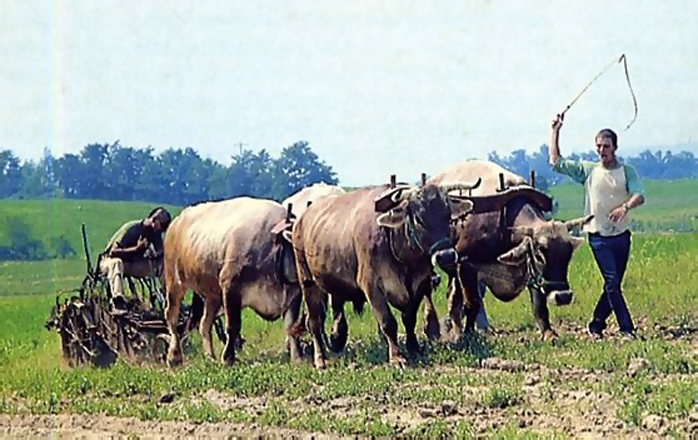
Winding through Sri Mayapur, the sacred Ganges shimmers in the cool light of dawn. As temple bells fill the air, barefoot bullock drivers plow the earth—the great connector of lives, the source and destination of all bodies.
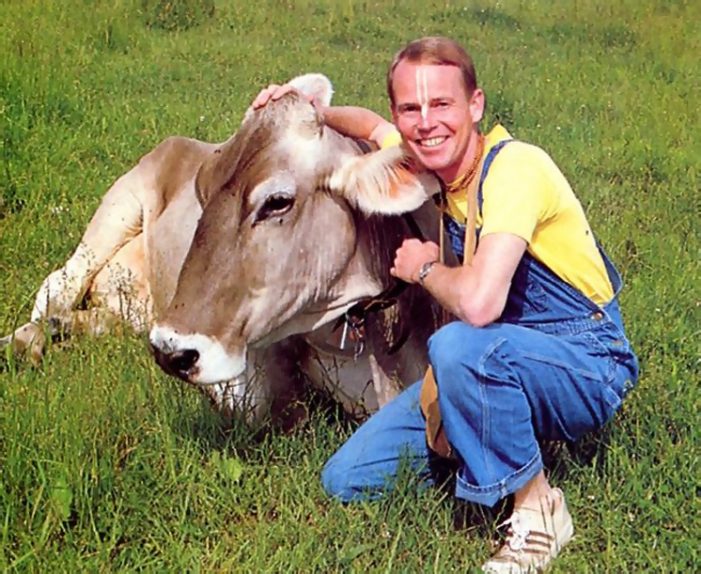
Sri Krsna looks as if he’s been protecting cows all his life. Like many a red-blooded American, though, he grew up hunting animals and eating “beef.” Just before he became Krsna’s devotee, he even took part in killing a cow.
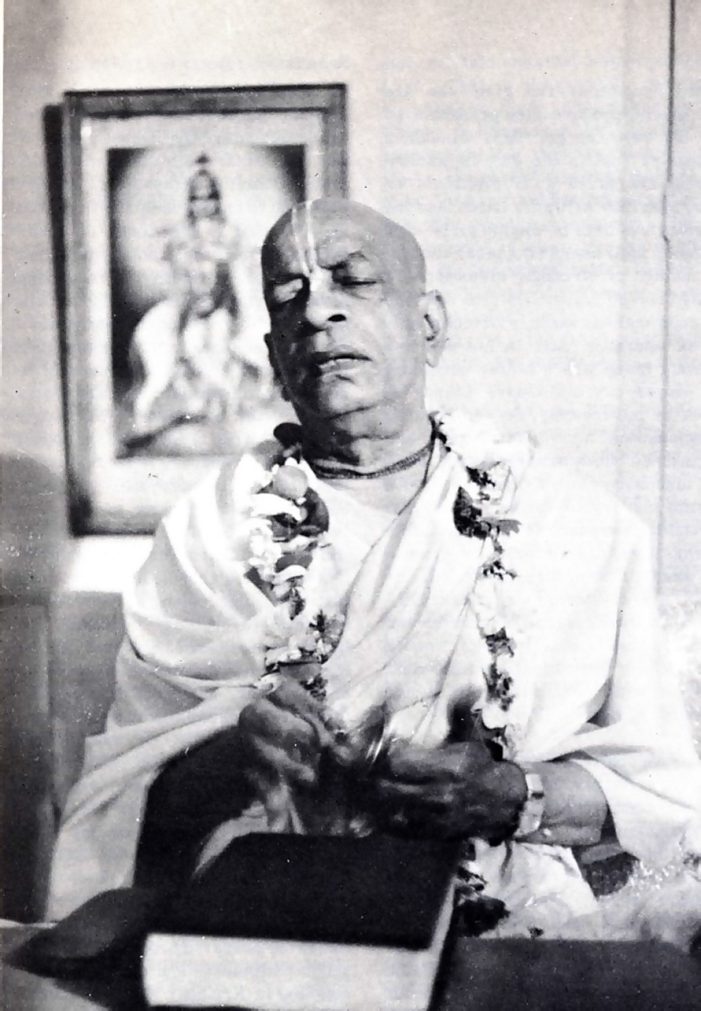
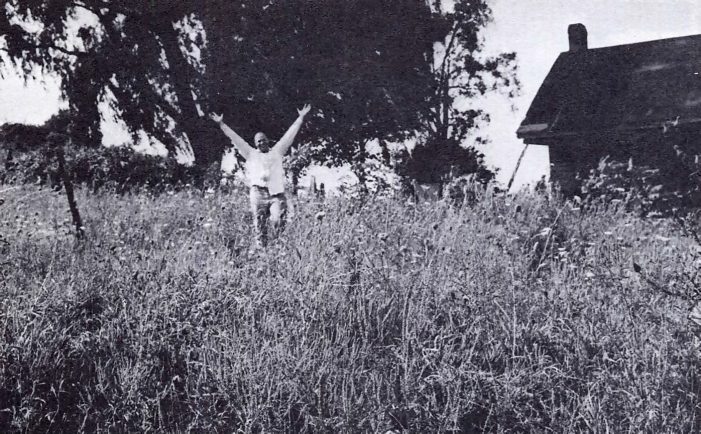
His Divine Grace A.C. Bhaktivedanta Swami Prabhupada arrived at New Vrindaban, West Virginia on the morning of May 21st, 1969. It was his first visit to the mountain ashram, which is the first community in the West dedicated to Krishna conscious living.
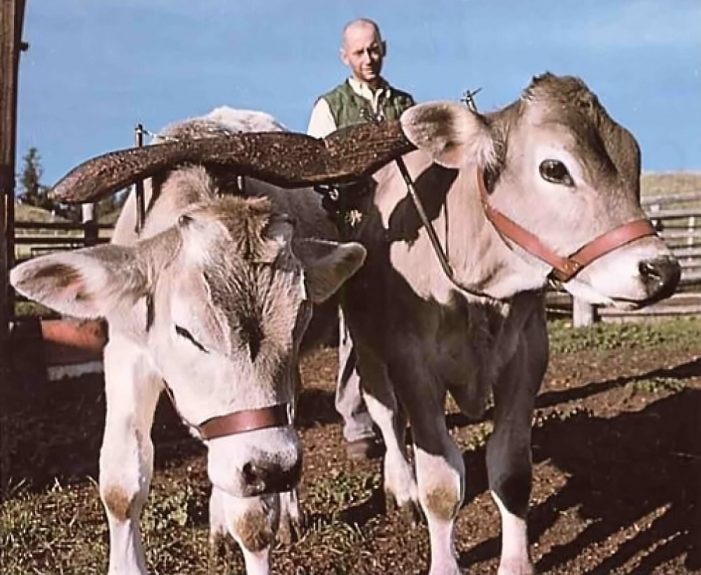
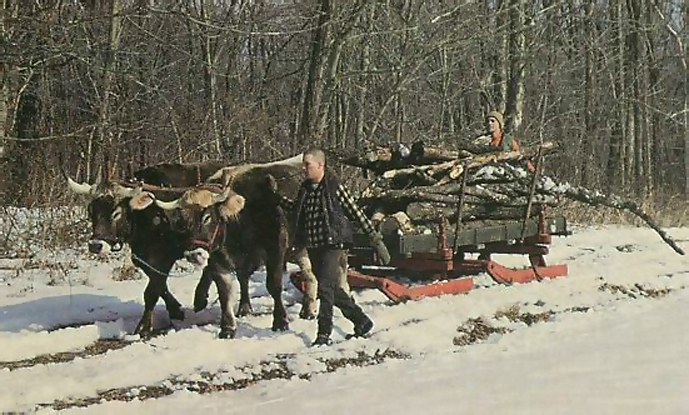
Temple needs wood! . . . Temple needs wood!” As the call echoes across our snowcapped farm, four men and two boys hop on an ox-drawn sled and head into the forest.
To effect successful result in the attempt of agricultural enthusiasm there are five causes namely the situation of the land, the man who works in the field, the instruments or implements applied in the enterprise and above all the hidden hand natural forces, known as Daiva.
During a bad drought in California a few years ago, one scientifically-minded politician proposed towing in icebergs from the Arctic. In the meantime rain mercifully came.
New Vrindaban, united in Krishna Consciousness, is now taking shape under the guidance of Srila Prabhupada. The hills of West Virginia are vibrating with the Hare Krishna Mantra, and it is certain that the forests, fields and mountains have entered the spiritual sky of Vaikuntha.
Russell Bliss sprayed oil mixed with dioxin on dusty horse arenas, dirt roads, and farms at twenty-two sites in Missouri. His purpose was twofold: to control the dust and to get rid of the dioxin, a waste product that a defunct hexachlorophene plant had paid him to dispose of.