Turning Our Love Toward Krishna
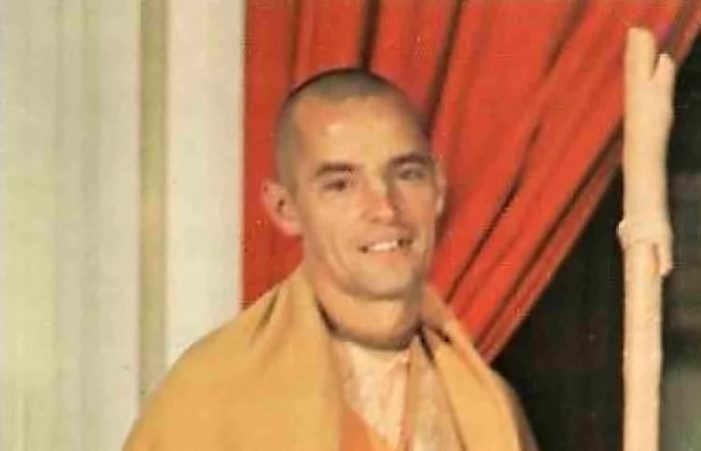
We have forgotten how to love Krishna. Consequently we rush to and fro in this material world trying to love this and that-wife, country, society, cats, dogs. Thus we are always frustrated. Why?

We have forgotten how to love Krishna. Consequently we rush to and fro in this material world trying to love this and that-wife, country, society, cats, dogs. Thus we are always frustrated. Why?
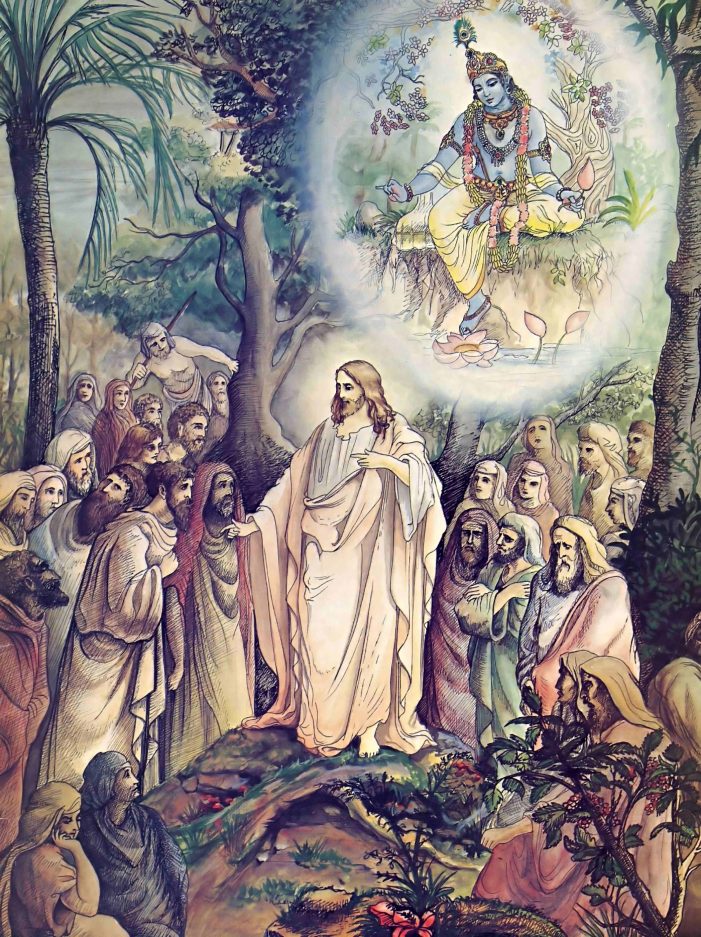
“I have yet many things to say unto you,” Christ told a world, filled with crudeness and ignorance, “but ye cannot bear them now” (John 16:12).

“Human prosperity flourishes by natural gifts, and not by gigantic industrial enterprises, “says His Divine Grace A.C. Bhaktivedanta Swami Prabhupada, who has founded many Krishna-conscious farming communities all over the world. “The gigantic industrial enterprises are products of a godless civilization, and they cause the destruction of the noble aims of human life…. What we […]
In the Seventh through the Twelfth chapters Krsna gives an elaborate description of the Supreme Personality Himself, His nature and manifestations.
The Eighth Chapter of the Bhagavad-gita begins with a series of seven questions. Arjuna asks, “What is Brahman?” “What is fruitive activity?” “What is the material manifestation?” “What are the demigods?”
In the Sixth Chapter of the Bhagavad-gita Lord Krsna is explaining how to practice yoga by meditation. Although the Lord is recommending the eightfold yoga system here, we will also see that in the end it is rejected in favor of karma-yoga.
As the Fifth Chapter of Bhagavad-gita opens, Arjuna is asking Krsna practically the same question he asked at the beginning of the Third Chapter, namely whether there is a difference between renounced action and inaction or between knowledge and devotional service.
Govinda, Krishna—awaken me, I plead. Cut off these ears, Pluck out these eyes, That I might hear and see indeed. Take all I have, my brief life, And then I shall live in Thee.
Thy Name, Dear Krishna, is music. They Name is holy food. Hare Krishna, Hare Krishna, Krishna, Krishna, Hare Hare, Hare Rama, Hare Rama, Rama Rama, Hare Hare.
O Savior of the Lotus Eye, I am unworthy of Thy Form Divine, Whisper but Thy Name sublime, Govinda, Govinda, Govinda.
In the Fourth Chapter of Bhagavad-gita Krsna explains two main topics to his disciple Arjuna: the first has to do with the nature and activities of the Lord, and the second has to do with the activities of the living entity.
As Chapter Three opens, it is clear that Arjuna has not understood that the path of knowledge and the path of devotional service are ultimately the same because the goal is the same, but also he has not understood the difference between action with fruitive results and inaction, or action without fruitive results.
Seeing Arjuna full of compassion and very sorrowful, his eyes brimming with tears, Madhusudana, Krsna, spoke the following words: My dear Arjuna, how have these impurities come upon you? They are not at all befitting a man who knows the progressive values of life.
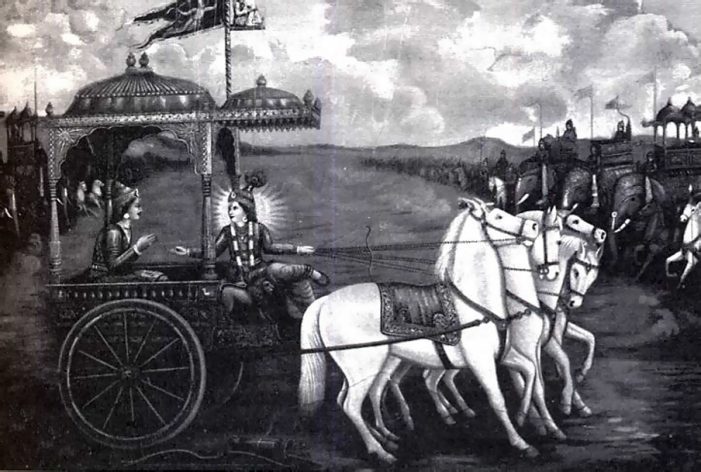
Bhagavad-gita has sometimes been called the perfect theistic science. Actually Bhagavad-gita means “Song of God,” but because it is a song sung by the Supreme Himself, it is also a science.
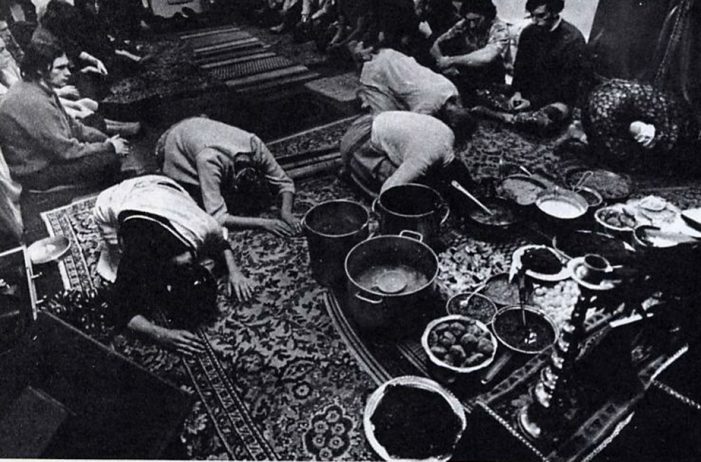
Cooking for God? How absurd that sounds to the sophisticates of this modern age! How anthropomorphic! But why not? Why not cook transcendentally?
Lord Krishna, in Bhagavad Gita states: “What is night for all beings is the time of awakening for the self-controlled; and the time of awakening for all beings is night for the introspective sage.”
Love for Krishna is dormant within each of us, but because we have no conscious love for Him we are frustrated in various objects of love, and, therefore, in the material world, love is 99.9% frustration simply because the love isn’t in the right place.
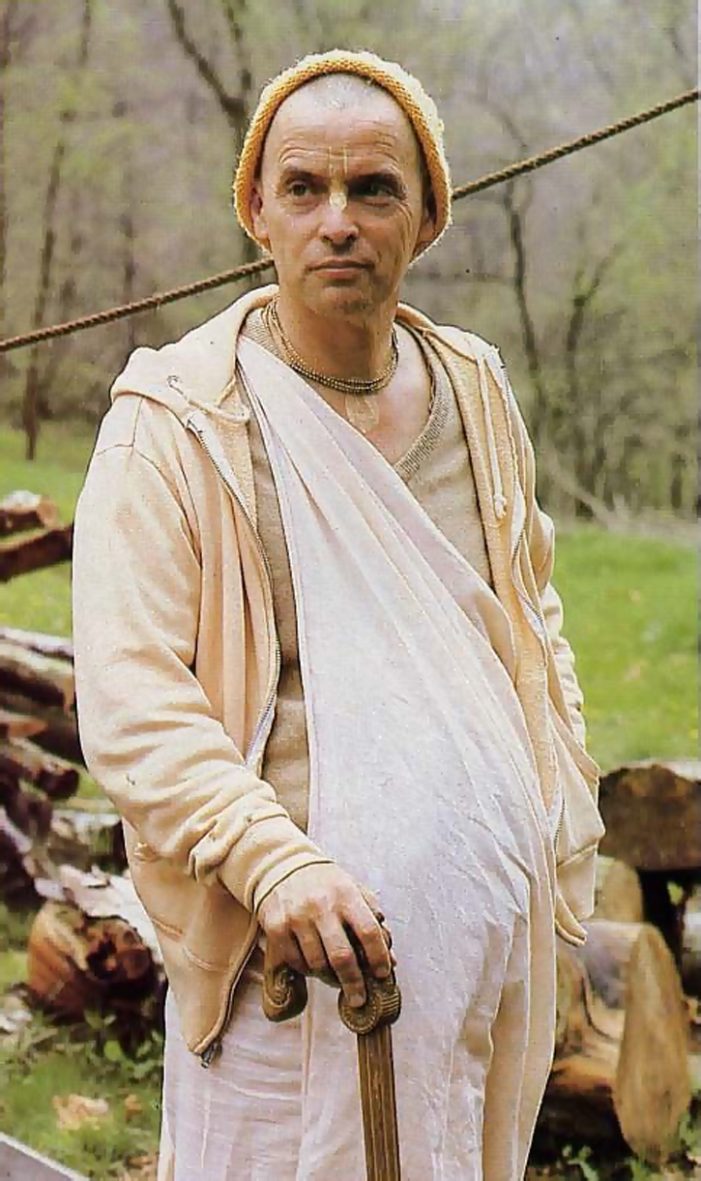
In a letter Srila Prabhupada wrote to me in 1974 or ’75, he told me to develop New Vrindaban like Tirupati in south India. But at that time I didn’t know anything about Tirupati; I’d never been there.
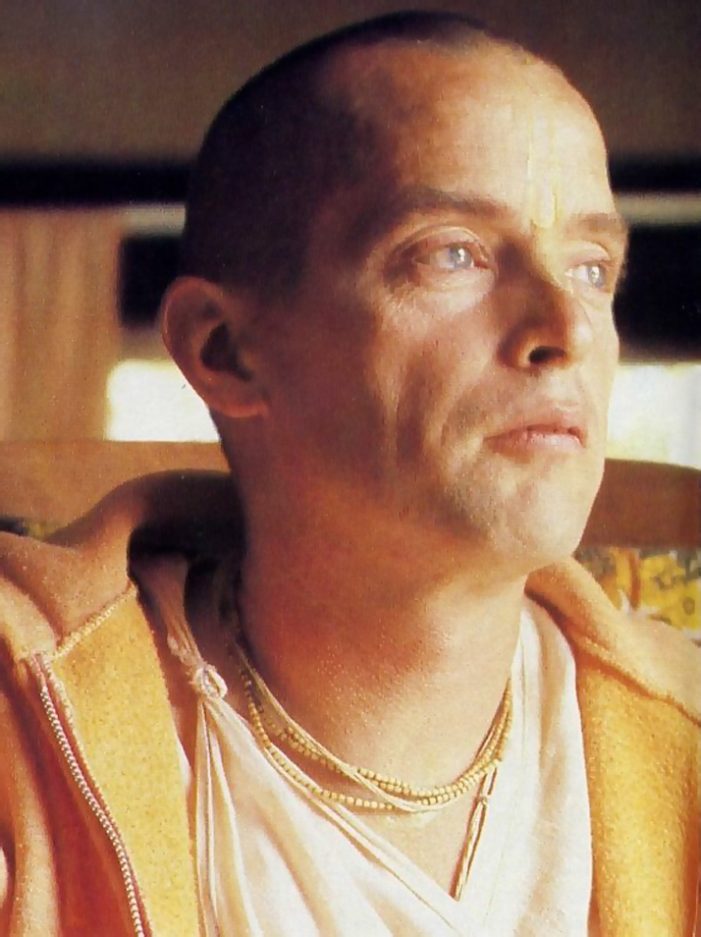
Religion is something you participate in; it’s not a spectator sport. Because it is based on faith, there’s no question of understanding it from the outside. Of course, it is not blind faith. It is reasonable faith.
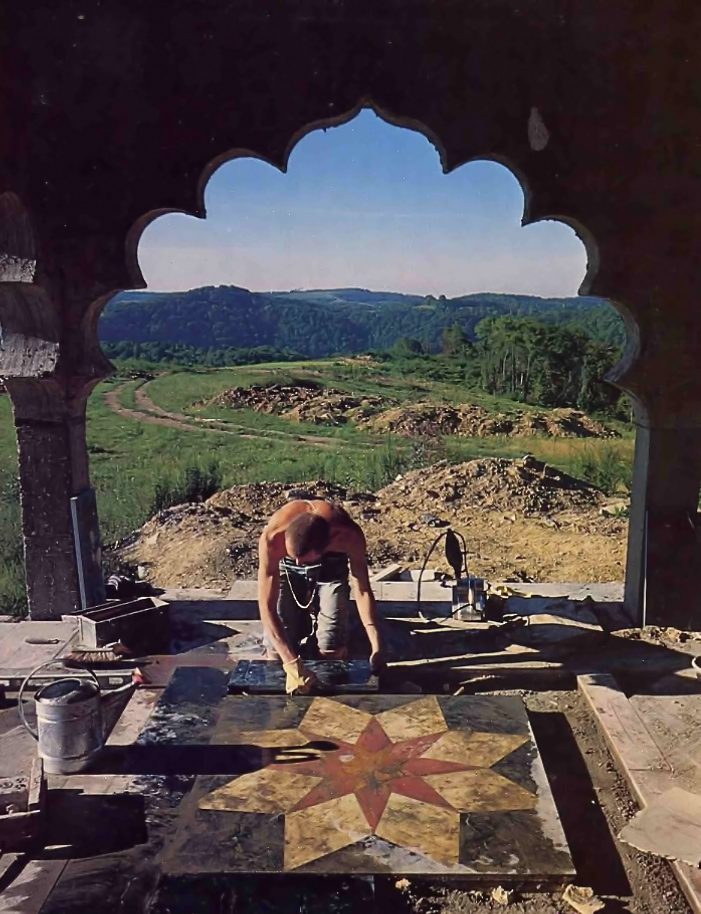
As we began to work on Prabhupada’s home, it began to take on the shape of a palace. This was not the original conception—the original idea was rather modest.