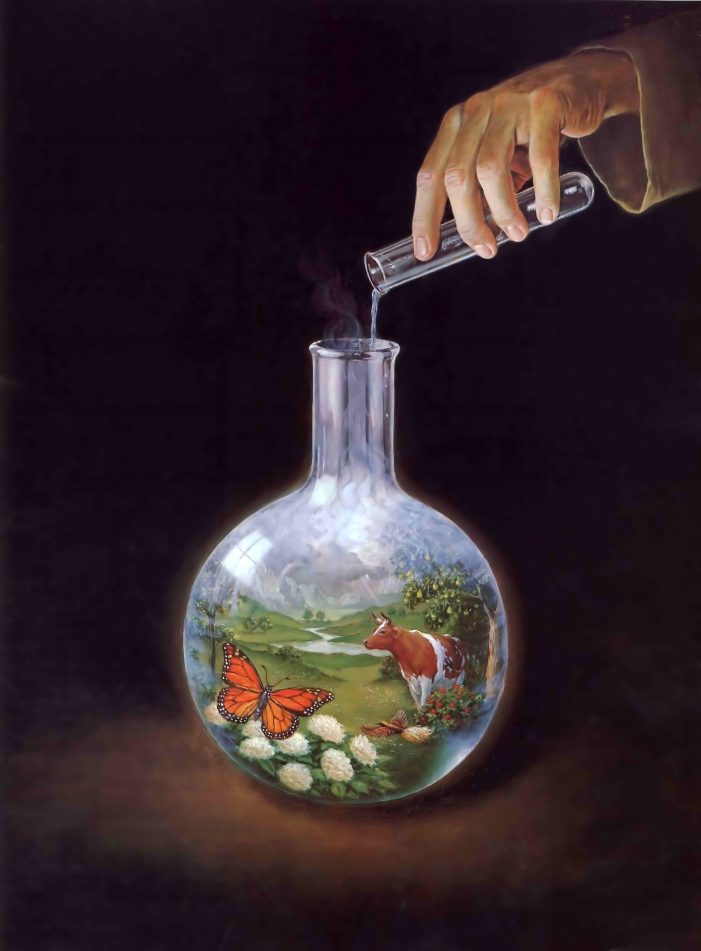
Medicine for Maya
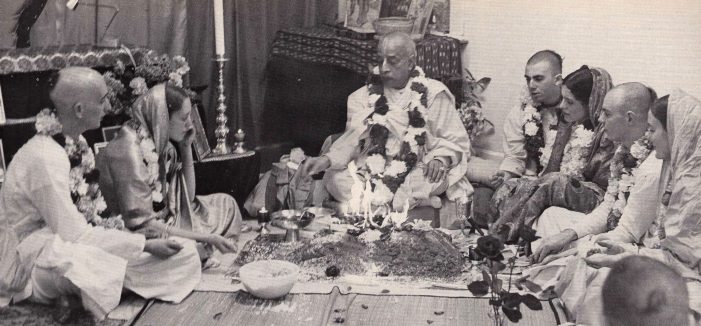
Nobody will agree to work to satisfy someone else’s senses, because everyone is thinking, “I want to satisfy my senses.” But if that is the position, then we have to ask, “Are the senses of this body mine?” That people do not ask.

Nobody will agree to work to satisfy someone else’s senses, because everyone is thinking, “I want to satisfy my senses.” But if that is the position, then we have to ask, “Are the senses of this body mine?” That people do not ask.

Badas in India were one of my favorite dishes, but in Oregon it was such an ordeal to make them that my taste for them dramatically waned. Making badas with a blender eliminates the grind and adds to the pleasure of cooking classic Vedic dishes.
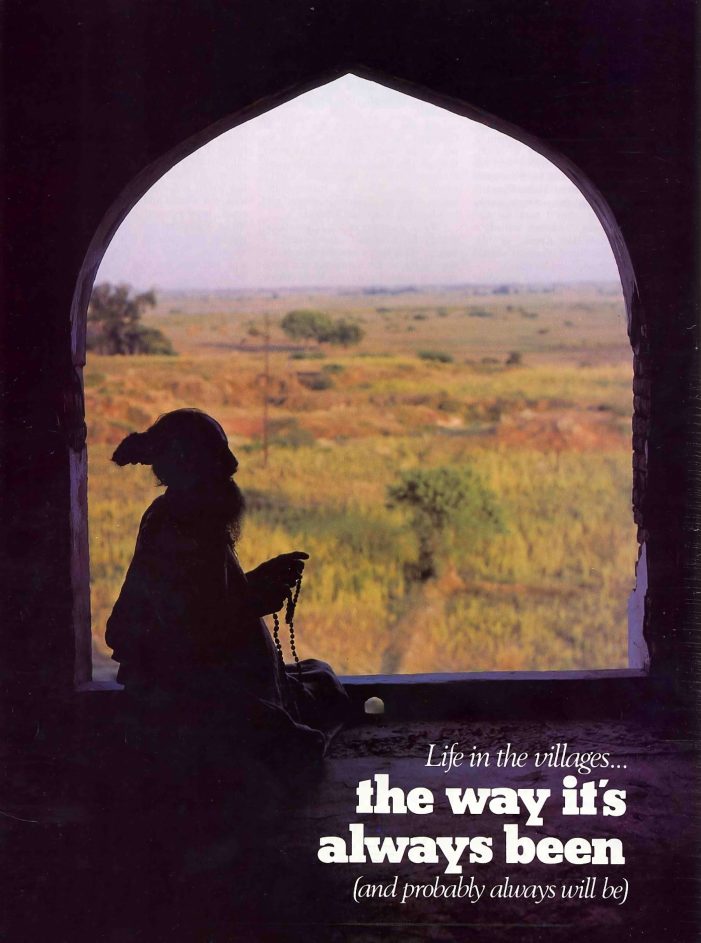
Someone asked Gandhi, “What do you think of Western civilization?” “I think it would be a good idea,” he said. “The real strength of India lies in her villages.”
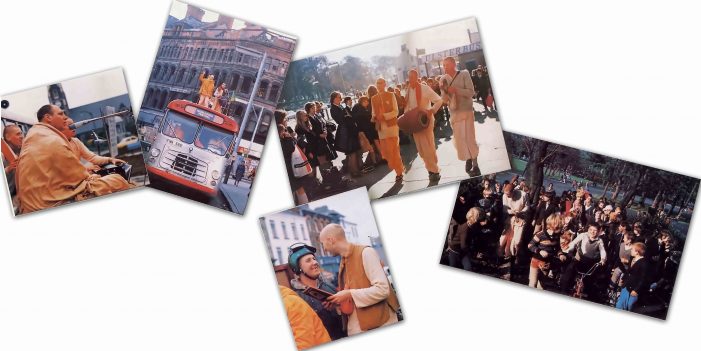
A former civil rights worker went to war-torn Northern Ireland with an ancient peace formula. It was disarmingly simple.
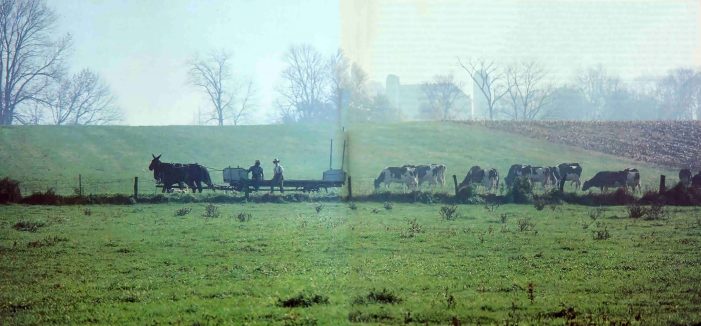
People of all ages, especially young people, are investigating country life as a way around dependence upon oil and machinery and the health hazards of artificial fertilizers and insecticides.
When it comes to things cosmic, should we ask “Who”-or “What”? The Caracas Metaphysical Society interviews His Divine Grace A.C. Bhaktivedanta Swami Prabhupada.

Quotes from Krsna’s Bhagavad-gita As It Is. Picture article.
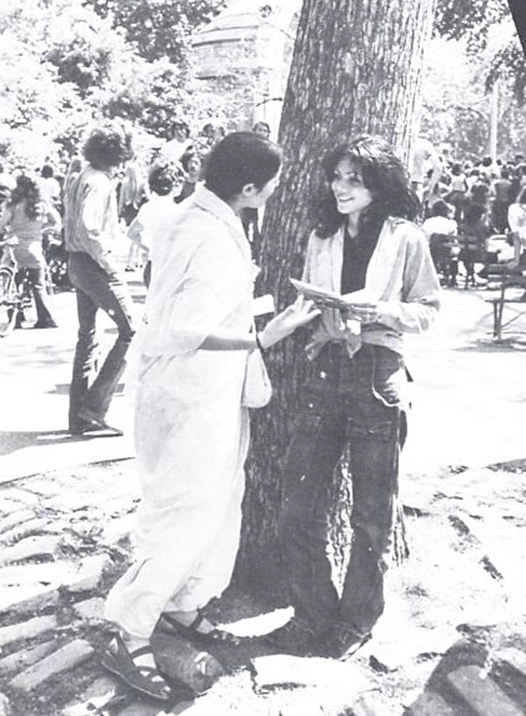
There is no such thing as chance; when we say that an event happens by chance or by accident, this simply means that we are unfamiliar with the reasons why it happens. There is a cause behind everything.
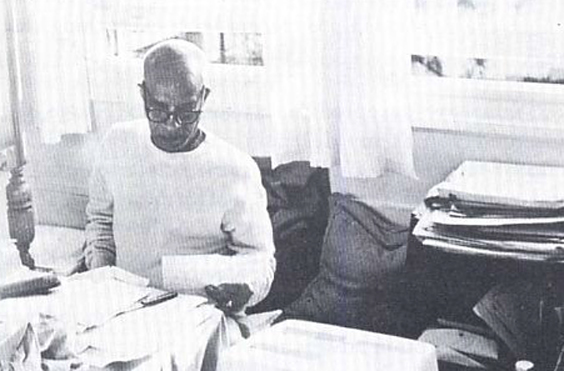
Since 1966, Srila Prabhupada has written literally thousands of personal letters to his disciples, answering their questions, giving them encouragement and opening their eyes to newer and newer realizations of Krsna.
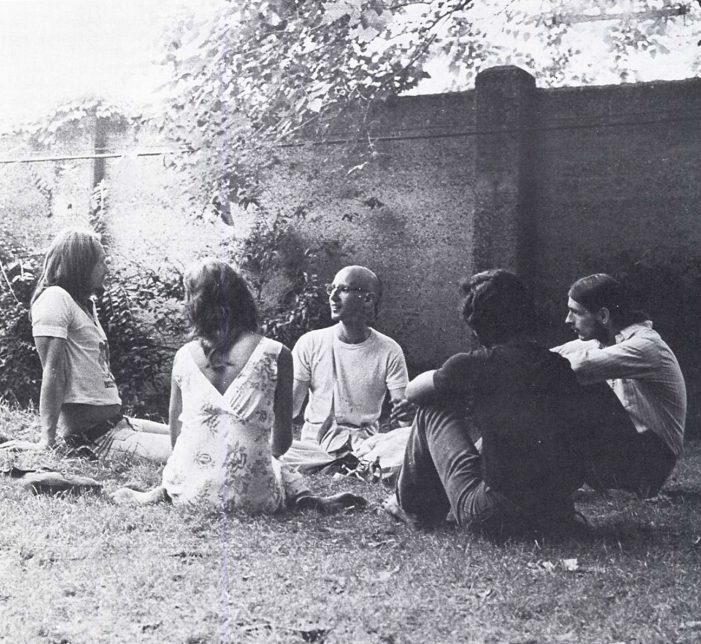
Human society is being misled by leaders who are blind, for they do not know the aim and objective of human life, which is self-realization and the reestablishment of our lost relationship with the Supreme Personality of Godhead.
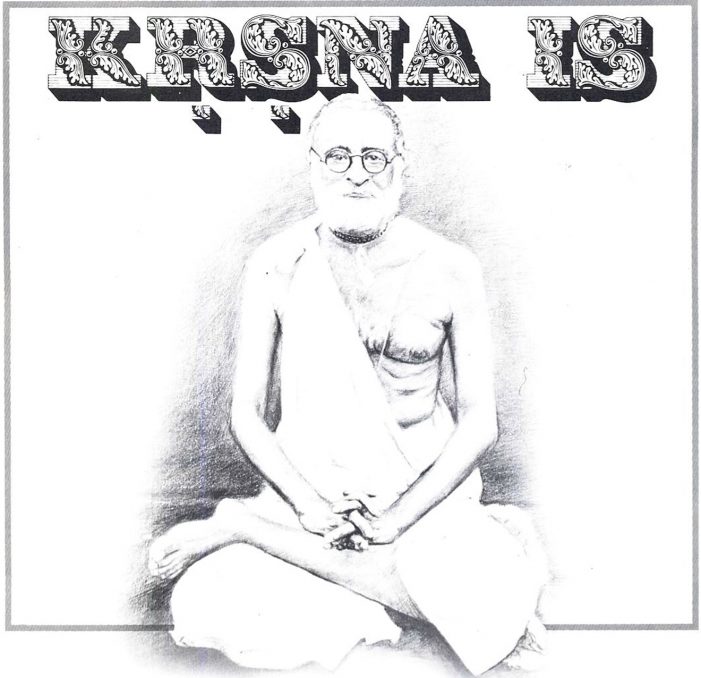
Quotes by Srila Bhaktsiddhanta Sarasvati Thakur from Srimad-Bhagavatam and Bhagavad-gita on the nature of Krsna.

When Srila Prabhupada walked in to begin kirtana, he looked at the newly decorated temple and showed surprise. “Ah, you are advancing,” he said. “This is very nice. This is Krsna consciousness.”
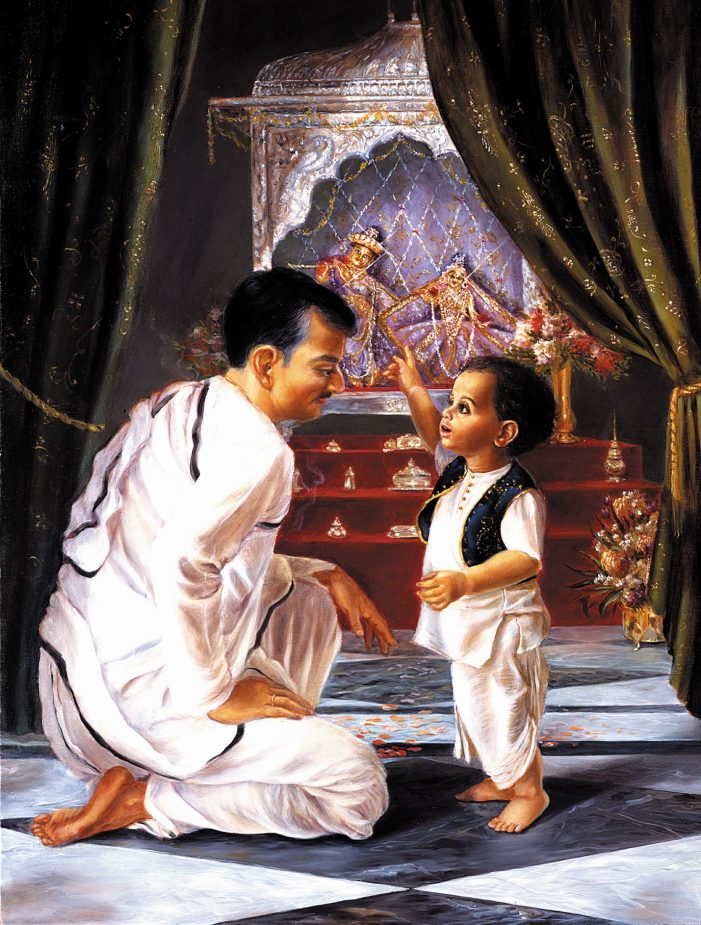
“Bhakti” or spontaneous loving service cannot be applied to any object within the world of three dimension but it is a thing which is absolute monopoly of the Personality of Godhead.
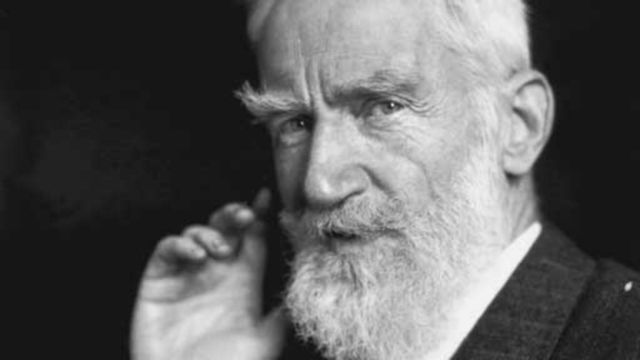
Mr. Shaw or Mahatma Gandhi both are distinguished thinkers and lead the world in respect of many things. There are other great men and scientists who are equally respected leaders of thought in the world but none of them has ever tried to solve the question of death

We are pleased to find that leaders of world politics such as Mr. Churchill has now a days began to think of a human world and trying to get rid of the terrible national frenzy of hate. The frenzy of hatred is another side of the frenzy of love.
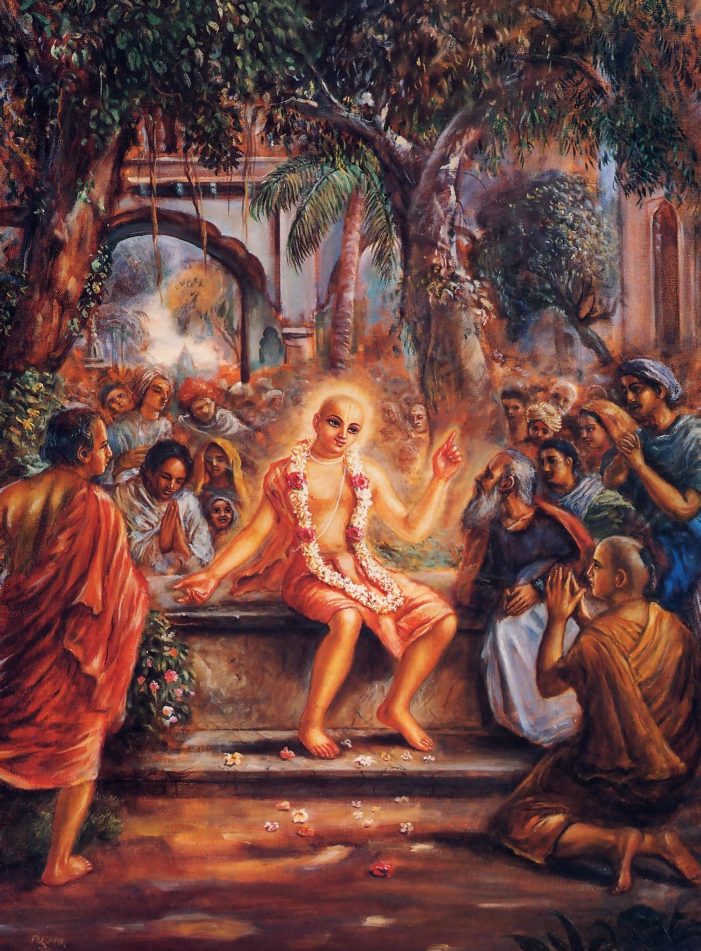
At twenty-four Lord Caitanya took sannyasa. He had become the most popular and influential person in Navadvipa, Why, then, did He leave His household responsibilities to enter the renounced order?
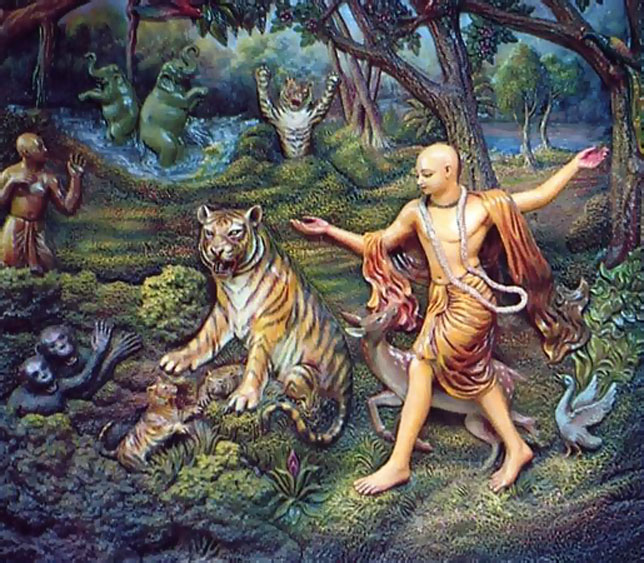
For so long I’d been hearing the devotees in Mayapur talk about terra cotta panels, terra cotta tiles, terra cotta bas-reliefs, terra cotta statues, terra cotta this, terra cotta that. After seven years I’d developed a kind of apathetic I’ll-believe-it-when-I-see-it attitude.

Through the ages Western man has alternately pondered or ignored death, the most persistent yet least understood fact of our existence.
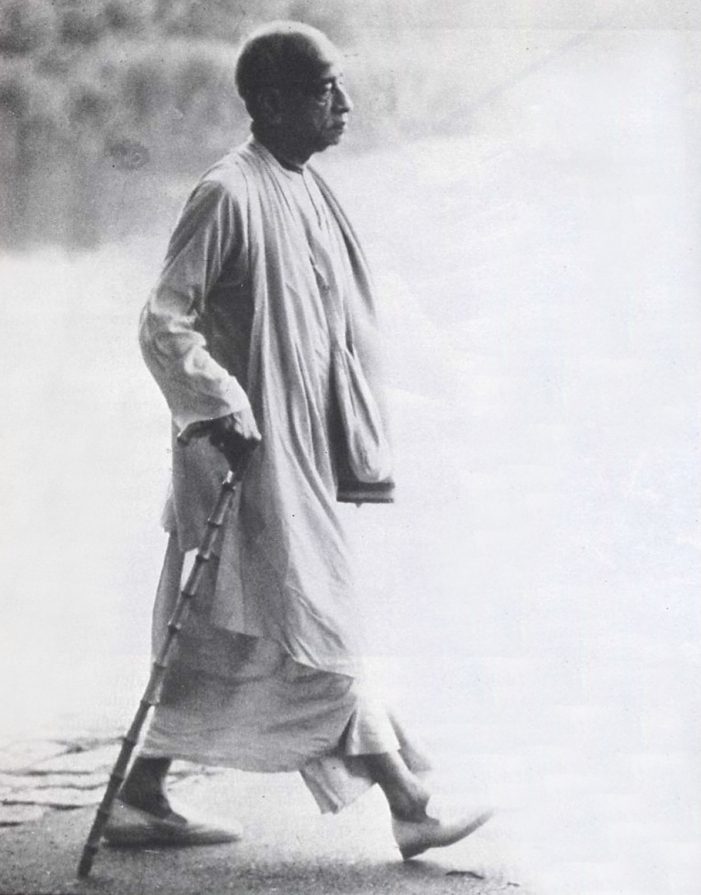
In the Western countries people are generally familiar with hatha-yoga. This is an approved method however at the present moment people are short-lived, and not very fortunate therefore it is not possible to properly execute this hatha-yoga.
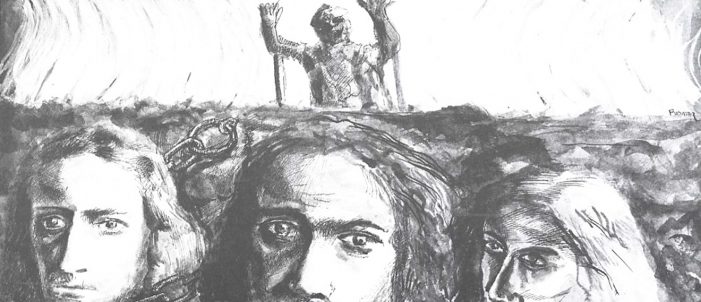
In Plato’s Republic, Socrates uses the allegory of the cave to illustrate the nature of man’s attachment to the illusory things of this material universe. He tells of men living in the depths of an underground cave, the entrance of which is open to the light.