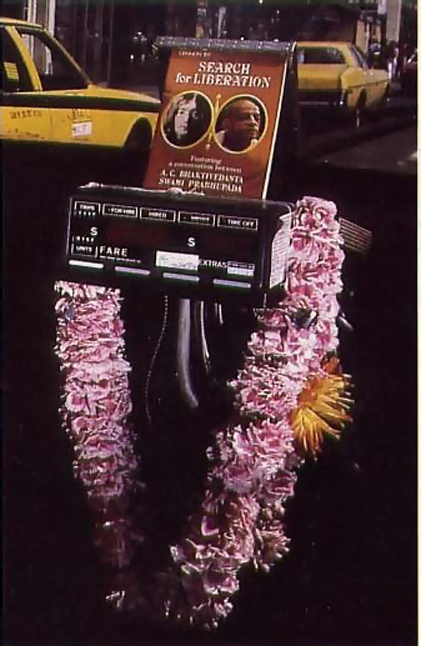
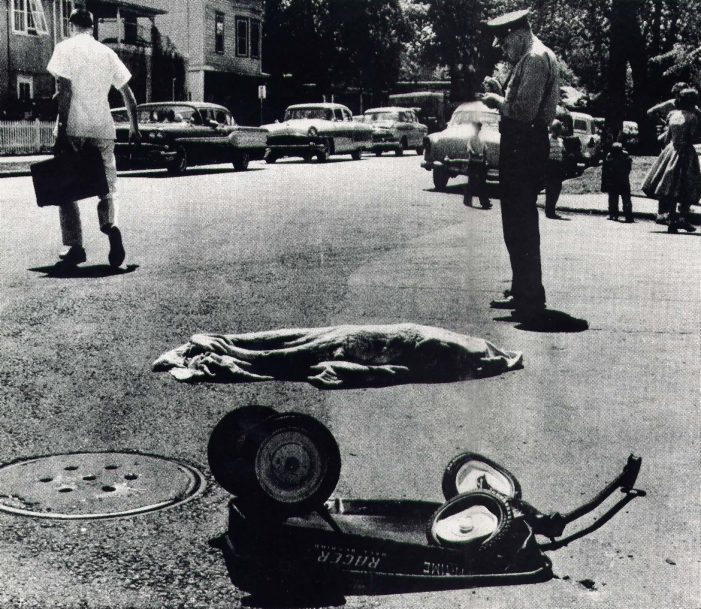
Everyone in New York City thinks he’s a philosopher. And who do they talk with about politics, religion, traffic, and the weather? Not their psychiatrists, business associates, or even their families as much as the New York cabbie.
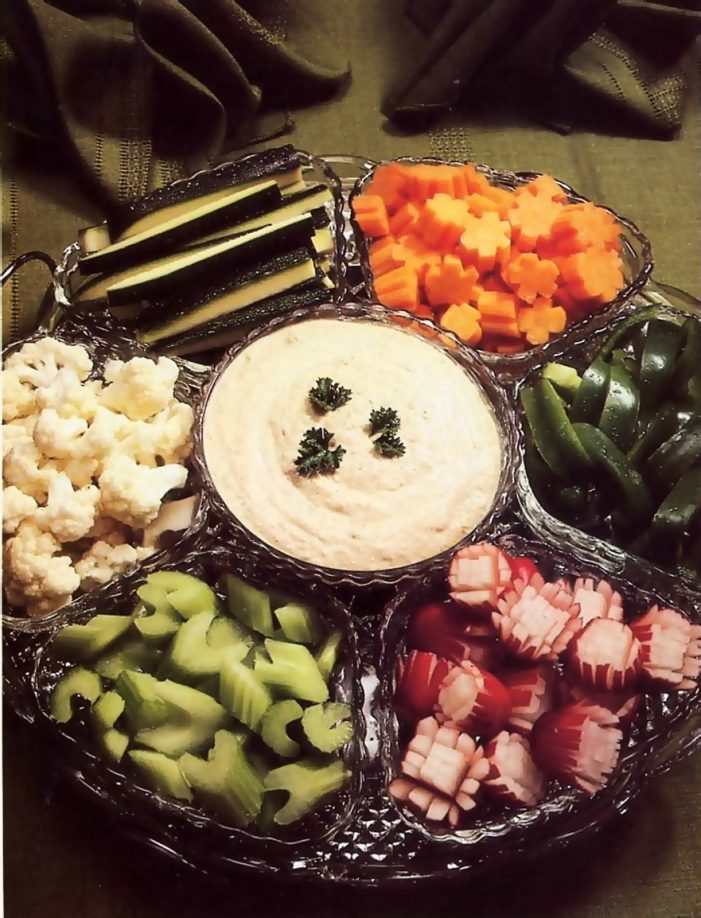
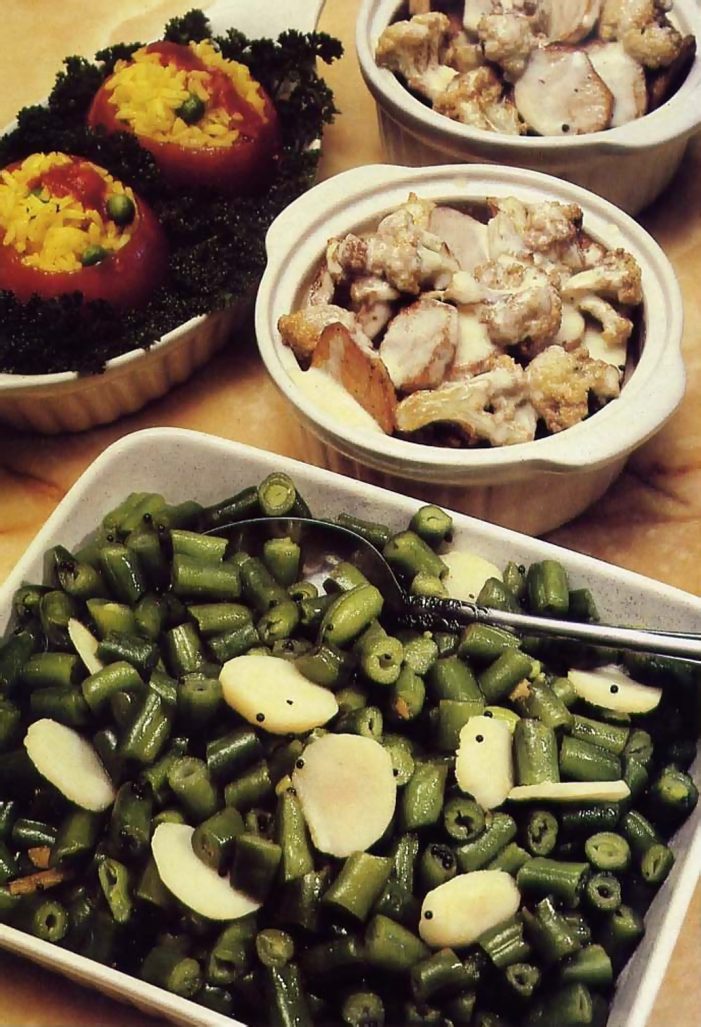
How can a twentieth-century woman simply stand there cutting a cauliflower, with the Middle East in crisis, millions going hungry, and the national economy tottering?
Spiritual initiation means the actual beginning of spiritual life—real life—and so the spiritual name awarded at that time is the real name of the pupil from that moment onward.
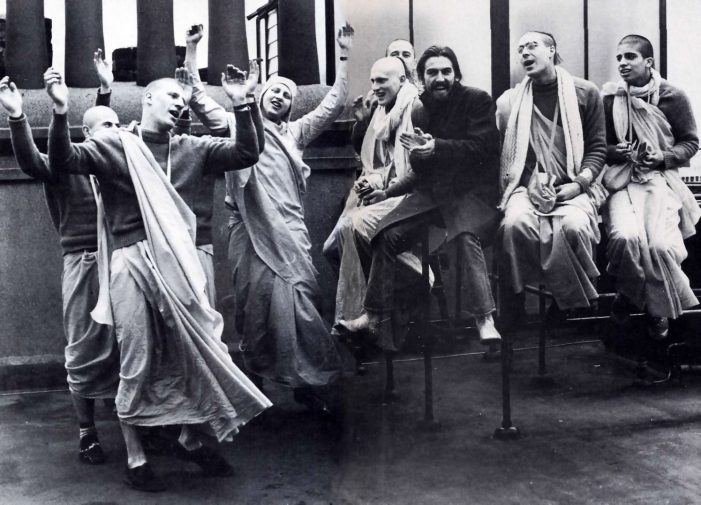
By the time the Hare Krsna movement first came to England in 1969, John and I had already gotten a hold of Prabhupada’s first album, Krsna Consciousness. We had played it a lot and liked it. That was the first time I’d ever heard the chanting of the maha-mantra.
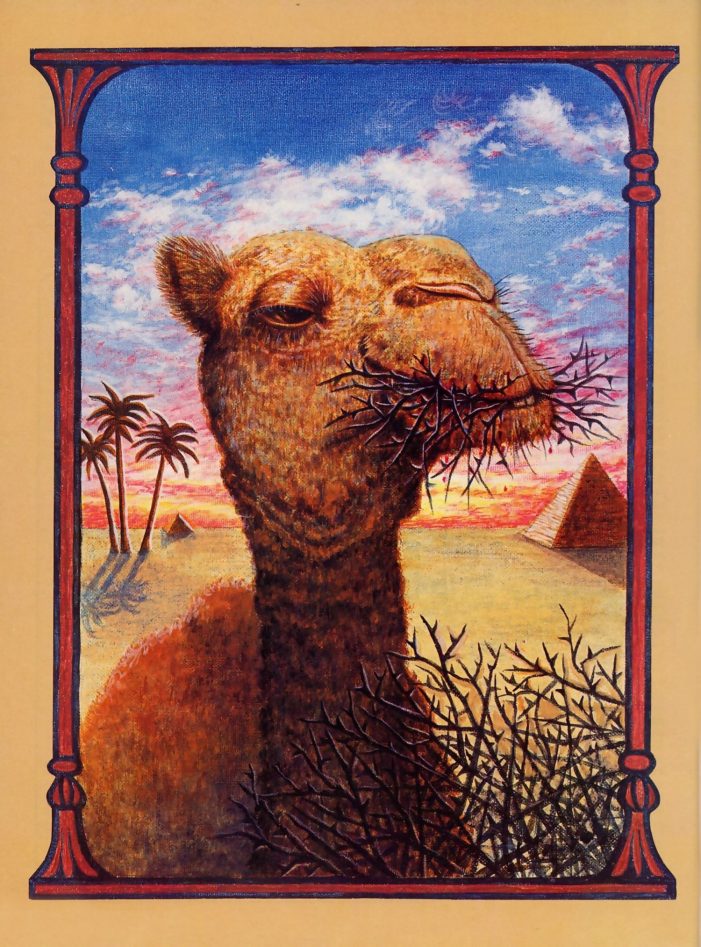
Dumb. That’s the only word for the camel, who often feasts on thorny bushes, mangles his mouth-and enjoys the taste of his own fresh blood. Never mind the pain and self-mutilation: it’s the taste that counts.
In college I had delved into the thoughts of the great philosophers and literary personalities of the past. Echoing my godless upbringing, I would argue with my logic professor, a devout Catholic, against the rationality of the existence of a God.
The Sanskrit language is rich in words to communicate ideas about spiritual life, yoga, and God realization. This dictionary, appearing by installments in BACK To GODHEAD, focuses upon the most importance of these words.
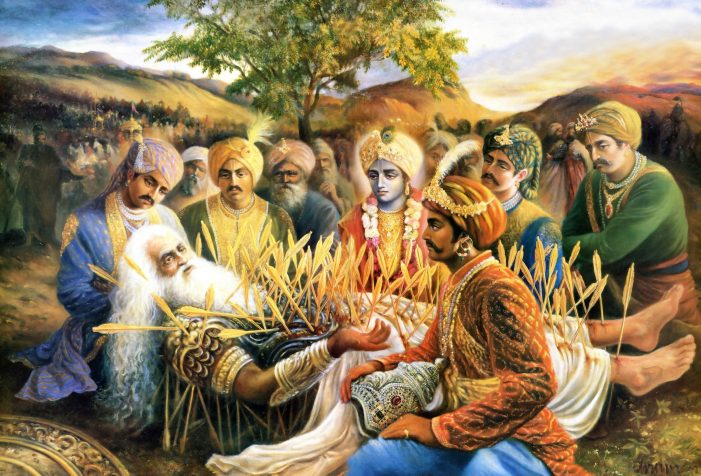
Bhisma was such a fierce and skillful fighter that he was virtually invincible; only by a trick was he mortally wounded. Now, in recognition of his exalted position and his profound devotion to Lord Krsna, many great saints and sages have also gathered to hear his last words.
There are many ways you can practice bhakti-yoga but the basic rule behind every practice is simply this: Always remember Krsna and never forget Him. All the other rules and regulations are servants of this one principle.
Fasting for some political purpose my help us reach some political goal. But the Vedic teachings direct us beyond such goals. Fasting, say the Vedic scriptures, is meant to help us control the mind and senses so we can advance in spiritual realization; it’s not for any other purpose.
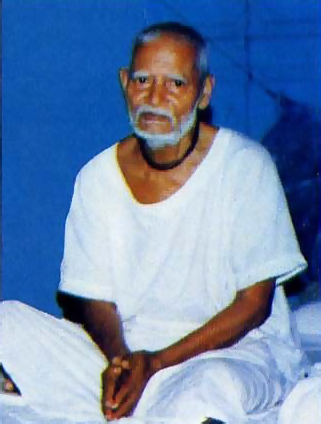
Krsnadasa Babaji Maharaja was a great well-wisher to Srila Prabhupada’s disciples. And when they would ask him questions, his usual answer was “Hare Krsna, Hare Krsna, Krsna Krsna, Hare Hare/ Hare Rama, Hare Rama, Rama Rama, Hare Hare.”
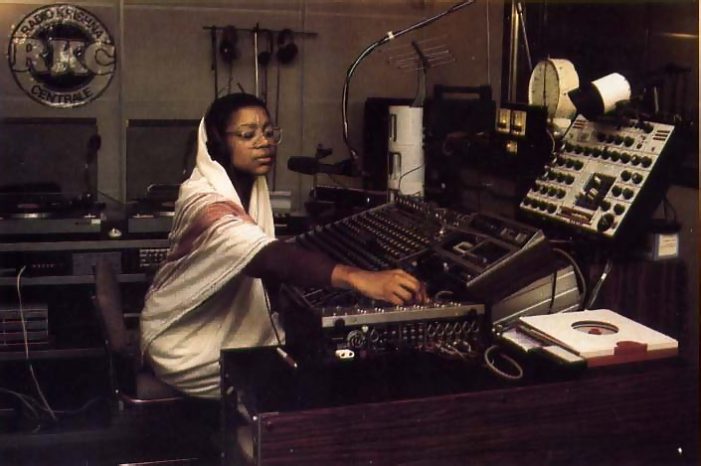
A look at the worldwide activities of the International Society for Krishna Consciousness (ISKCON) All-Krsna Radio Station Can Reach 2½ Million Florence, Italy—Any time of the day or night, 2.5 million people here and in surrounding cities can tune in the Krsna conscious news, music, philosophy, and culture broadcast by Radio Krishna Centrale, Italy’s first […]
The Sanskrit language is rich in words to communicate ideas about spiritual life. yoga, and God realization. This dictionary, appearing by installments in BACK TO GODHEAD, focuses upon the most important of these words.
By whom are you being taught what is healthy and what is not healthy? What is you authority? Actually this ‘healthy’ and ‘unhealthy’ is a material consideration. We are simply interested in what Krishna wants. So we offer Him whatever He wants to eat.
The Sanskrit language is rich in words to communicate ideas about spiritual life, yoga, and God realization. This dictionary, appearing by installments in BACK TO GODHEAD, focuses upon the most important of these words.
The law of karma is as strict, relentless, and impartial as the grosser natural laws of motion and gravity. For example, if I eat the flesh of animals even though I can live as well without it, my bad karma will force me to be born as an animal and to be slaughtered myself.
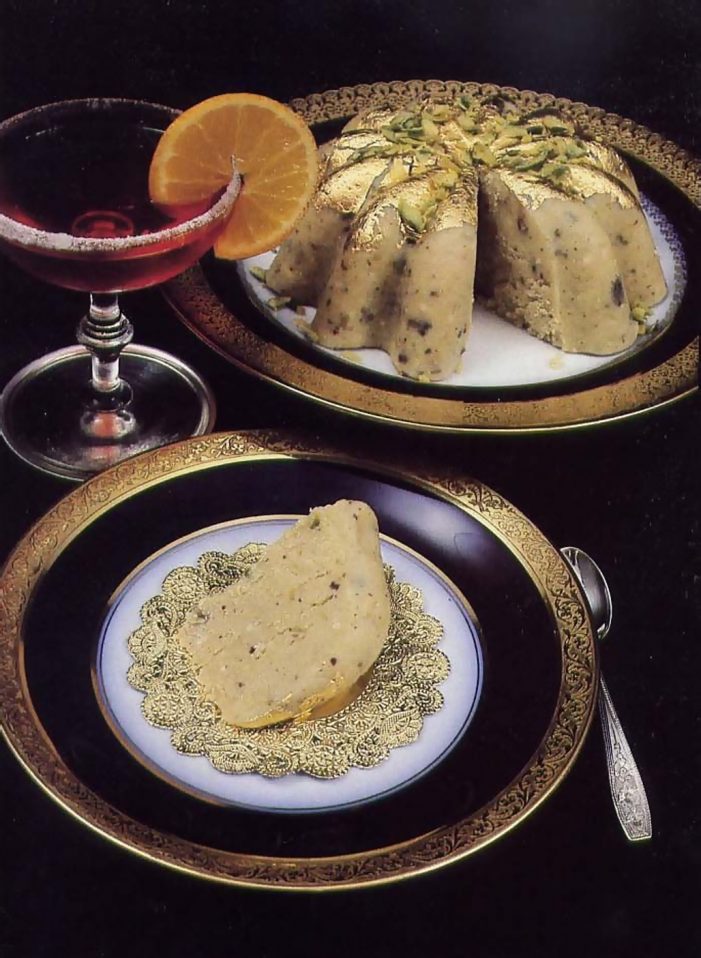
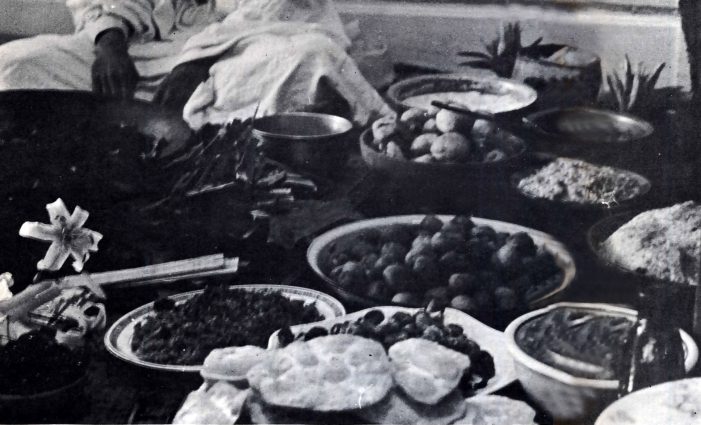
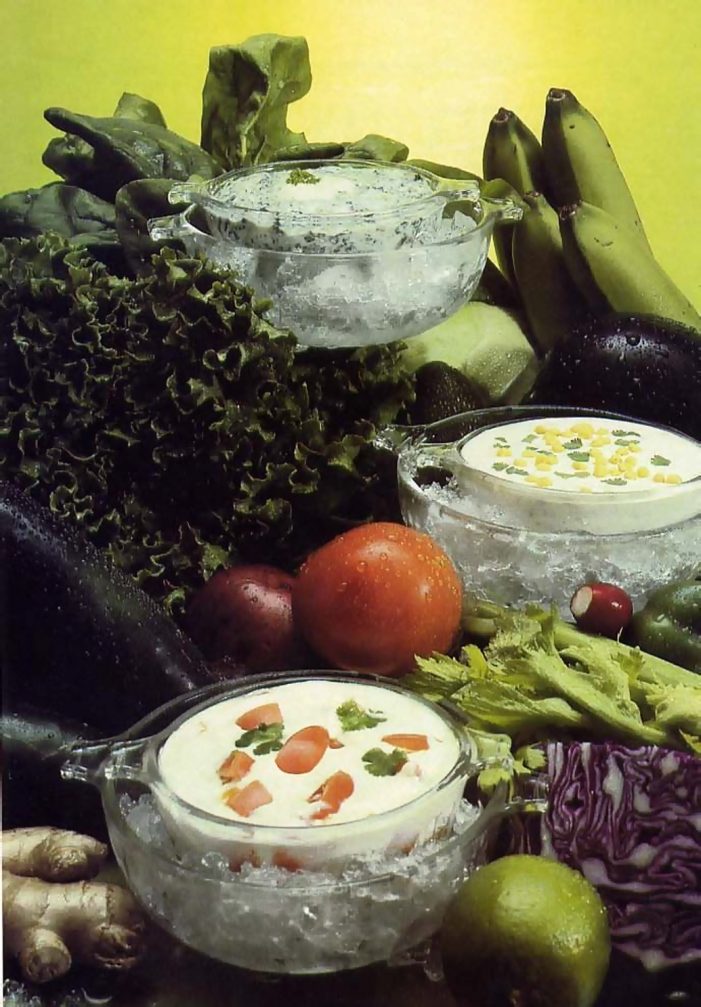
The typical Vedic lunch consists of capatis (unleavened whole-wheat breads) rice, dal (bean soup), cooked vegetables, and salad. “The best health insurance of all seems to be a well-chosen vegetarian diet from varied sources and a life free of junk foods,”
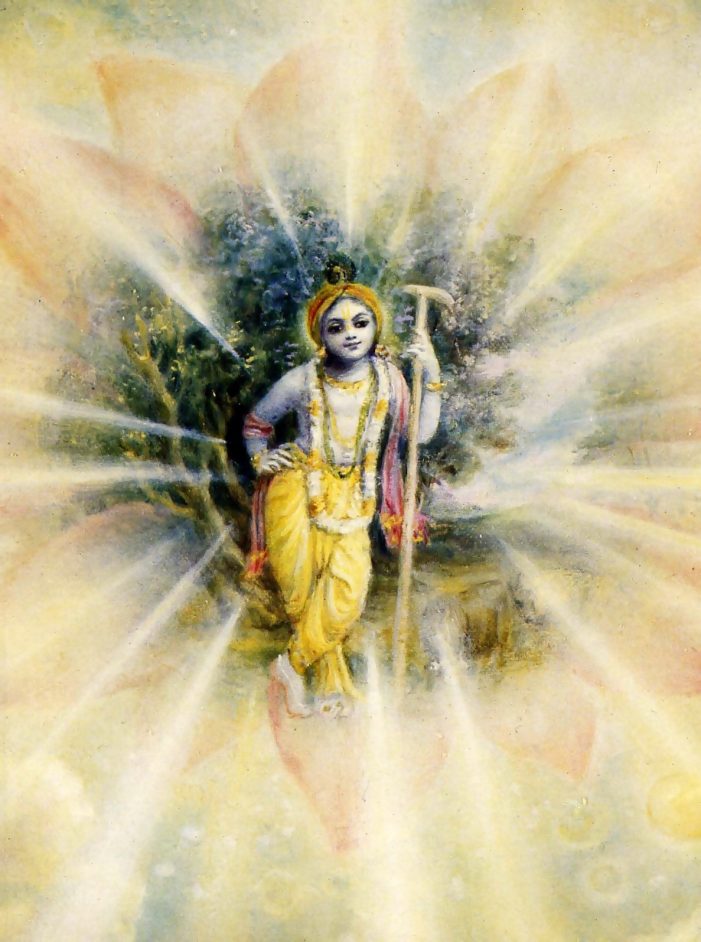
The Vedas describe how great an artist Krsna is. Nobody can be found who is greater than the Supreme Personality of Godhead or equal to Him, and although He is the greatest artist, He doesn’t have to do anything personally.
We should not be anxious to increase our material happiness. Always in civilization those who have no spiritual happiness are hankering after these sense enjoyments. So Prahlad Maharaj says, our duty is to dovetail ourselves in Krishna Consciousness.