He considered how a religion, as a whole, measures up to narrow expectations drawn from Christianity. Thus he complained, “India has no ‘expiator’ [referring specifically to Jesus], no Golgotha [the hill upon which Jesus was crucified], and no Cross.”
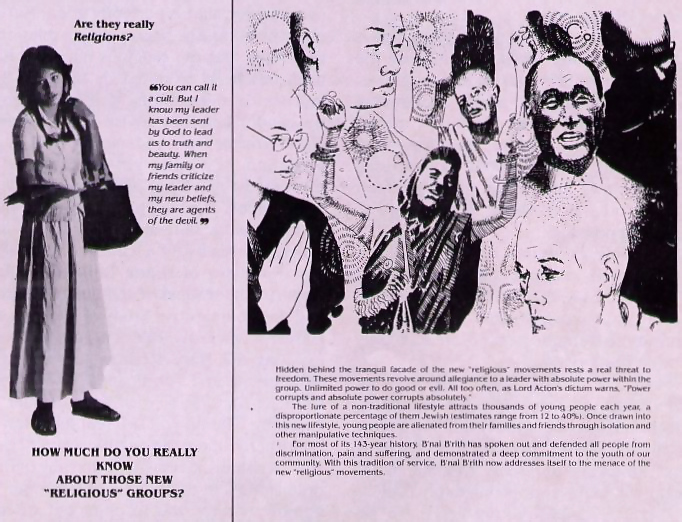
Devotees of Krsna were surprised, therefore, when they recently found a B’nai B’rith pamphlet rife with stereotypes of Krsna devotees as cultists and brainwashed robots. Such caricatures, the devotees thought, had been discredited long ago.
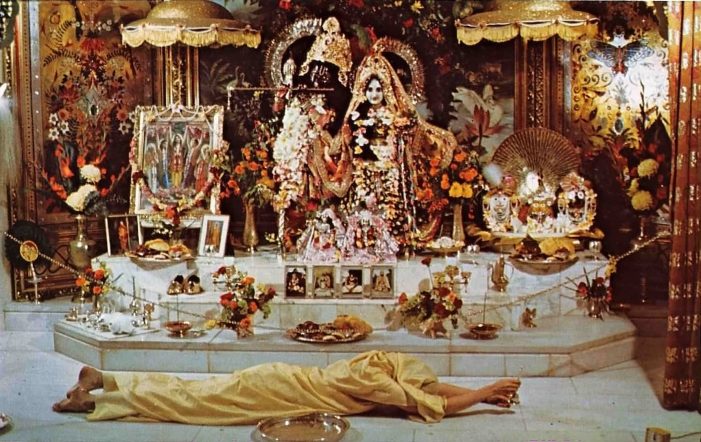
Delicious, traditional Vedic cuisine was part of the legacy Krsna consciousness brought to Western shores. Eating, like everything else for Krsna devotees, is a part of the complete spiritual experience of life.
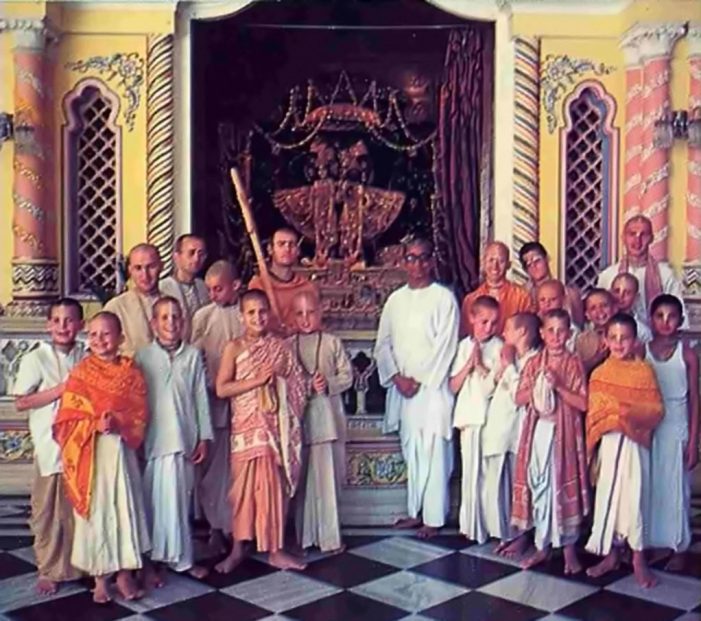
Gurukula, “the school of the guru,” has no equivalent in Western education. It is all at once a place of spiritual formation, character development, academics, and vocational training.
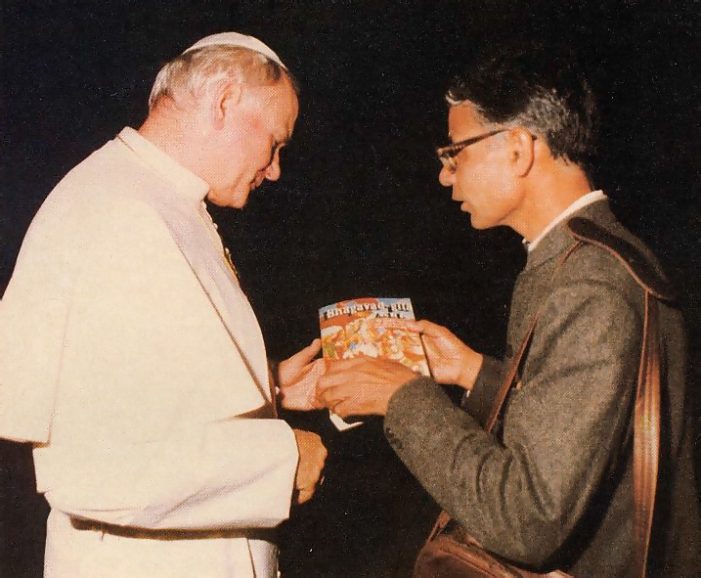
His Holiness Pope John Paul II received a copy of Bhagavad-gita AS IT IS, the scripture that sets forth the basic philosophy of the Krsna consciousness movement.
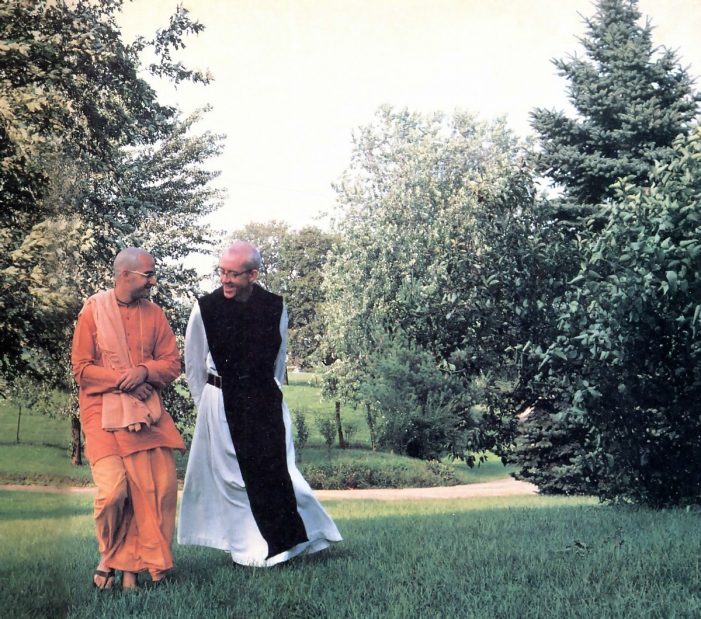
My friend came back for a second visit to our monastery more recently. I was very favorably impressed by the spiritual growth that I witnessed in him. It was quite evident that his serious commitment to the monastic life was bearing fruit.
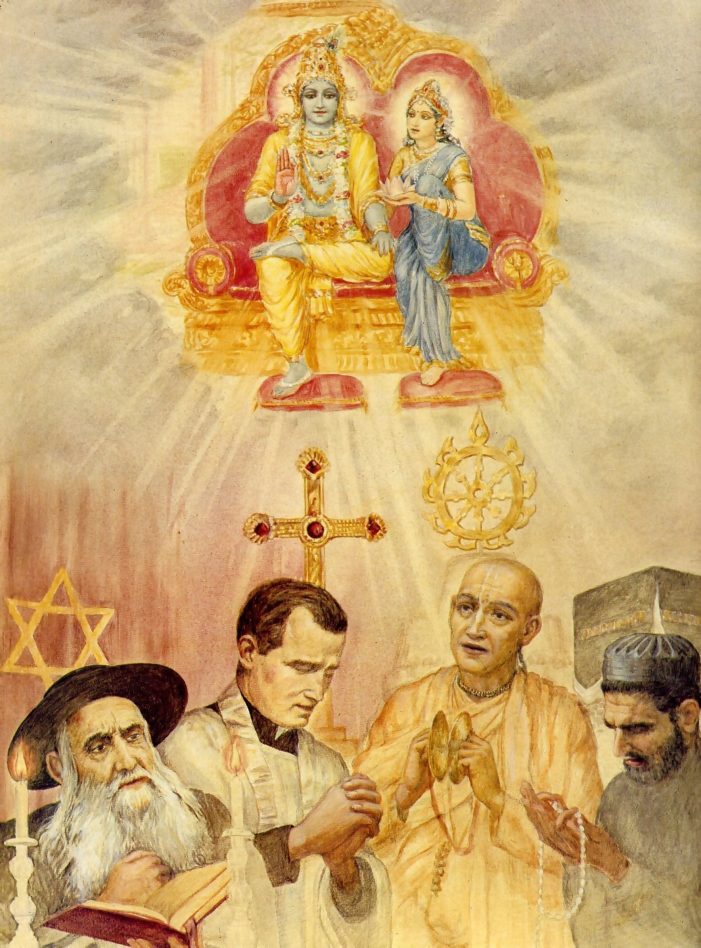
Jesus Christ is our guru. Christ is preaching consciousness of God. So he is our guru, our spiritual master. That’s a fact. Don’t take him otherwise. He’s our guru.
My first impression of the Hare Krsna temple was, “Here is something that is very beautiful and lovely.” As far as the worship was concerned, it was the happiness of it, the joy of it, that I noticed.
In America and India and so many countries all over the world, they have a “secular state.” The government leaders say they don’t want to favor any particular religion, but actually they are favoring irreligion.
It will be settled at death. That’s all. A rascal may think foolishly that life is absurd—but death will not be absurd. Lord Krsna says, “Everyone must finally accept Me—as death”
In recent years thousands of religious figures have taken up faith healing. They use all kinds of approaches, but basically they claim that through their charismatic prayer and laying on of hands, God acts: He cures everything from cavities to brain tumors, releases sexual inhibitions, and even increases earning capacity.
From his behavior I can understand he is rascal number one. I do not want to know about him, but what he has done makes it obvious. But the wonderful thing is that people in the Western countries are supposed to be so advanced—how they are befooled by these rascals?
I read with much dismay your reflections (“Healer, Heal Thyself”) in Vol. 13, No. 9. What gives you the right to criticize faith healers and charismatics? Most of them that I know have never killed anything in their life….
The bizarre mass suicide-murder of 913 members of the Peoples Temple in Guyana has raised serious questions about unscrupulous religious leaders who exploit their followers, stripping their souls and pockets bare.