Los Angeles Chariot Festival Draws 250,000
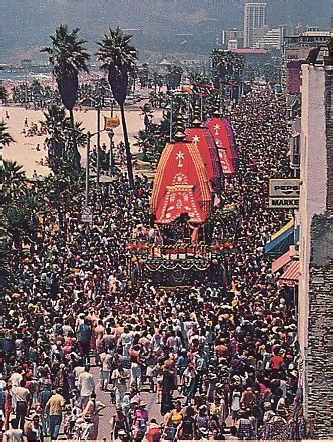
Following a religious tradition observed for thousands of years in Jagannatha Puri, India, the devotees of the Hare Krsna temple here celebrated their seventh annual Ratha-yatra Chariot Festival recently.
Following a religious tradition observed for thousands of years in Jagannatha Puri, India, the devotees of the Hare Krsna temple here celebrated their seventh annual Ratha-yatra Chariot Festival recently.
During a bad drought in California a few years ago, one scientifically-minded politician proposed towing in icebergs from the Arctic. In the meantime rain mercifully came.
I was advised to have my daughter deprogrammed. I read up on deprogramming and its ramifications. I also felt my daughter had and has freedom of choice, freedom of religious beliefs. I decided to do nothing. My philosophy is “live and let live.”
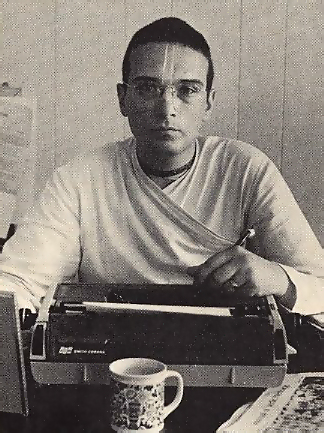
Sometimes people accuse the Hare Krsna movement of being a new cult. We find that both sad and humorous down at the Journal of Vedic Heritage. That’s the monthly newspaper I work for.
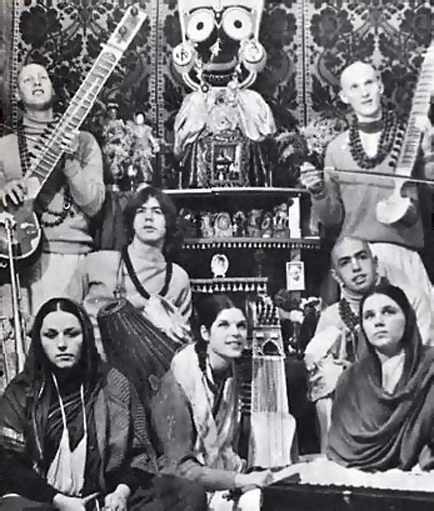
In January 1969 the sound of HARE KRISHNA vibrated across Britain’s “Today” program on Thames television as millions of viewers throughout the country began to fall in love with the holy sound of HARE KRISHNA.
The Bhagavad Gita, also known as the Geetopanishad, was first spoken by Lord Sri Krishna to His disciple Arjuna some five thousand years ago, just prior to the great Battle of Kurukshetra. This teaching, then, is in the form of a dialogue between Krishna and Arjuna.
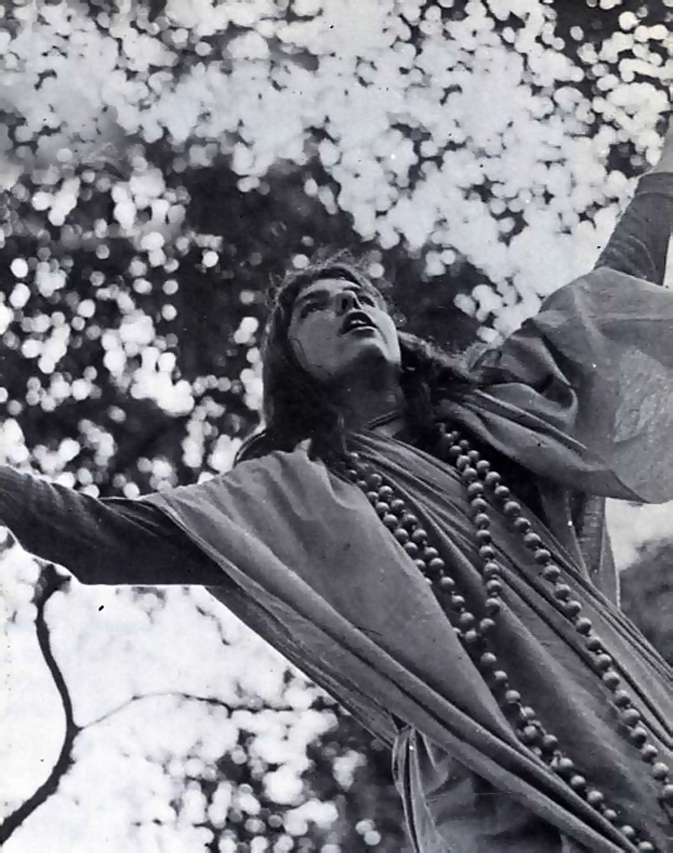
Attend Bhakti Yoga and mantra meditation classes, lectures on The Bhagavad Gita and related Vedic literature, chanting the Hare Krishna Mantra—every Monday, Wednesday and Friday (or write for details) at any one of the following Krishna Consciousness Temples.
DROP OUT of movements employing artificially induced states of self-realization and expanded consciousness. Such methods only lead to spiritual laziness and chaos. End all bringdowns, flip out and stay for eternity.
An example of spreading Krishna Consciousness is found in the activities of the devotees at the Los Angeles Radha Krishna Temple, who are engaged in a full program of Sankirtan throughout the greater Los Angeles area.
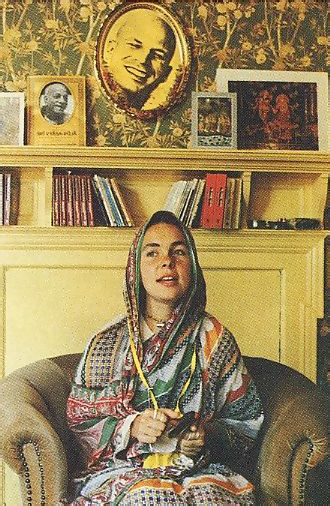
Lora Logic, the English punk-rock singer and saxophonist, is now a full-time devotee in the Hare Krsna movement.
I am a bit sad to hear how Srila Prabhupada and many of his disciples say that modern scientists are atheistic fools. I myself am a scientist and have studied seismology, plate tectonics, volcanism, etc., but I don’t think that this has made me atheistic.
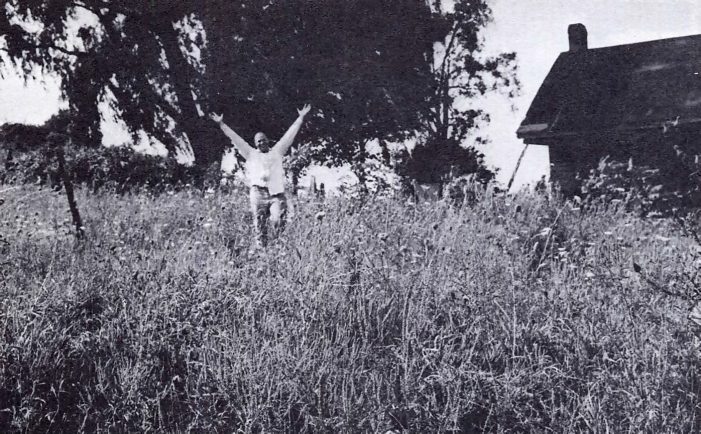
New Vrindaban, united in Krishna Consciousness, is now taking shape under the guidance of Srila Prabhupada. The hills of West Virginia are vibrating with the Hare Krishna Mantra, and it is certain that the forests, fields and mountains have entered the spiritual sky of Vaikuntha.
I went to a rock ‘n roll dance in London. I knew that the advertised “Radha Krishna Temple” was 6 devotees from the Temple in San Francisco. I saw the devotees chanting HARE KRISHNA! I joined them. It felt good afterwards.
The most ancient of Indias famed Upanishads speaks with surprising relevance to the problems of technological man in this new and important translation. The author is the most distinguished teacher of Vedic religion and thought.
One of the best-known Jewish thinkers is Martin Buber. Called a poet, mystic and existentialist, the professor has written a number of appreciations of Hasidism, a mystical Jewish folk movement begun in 18th century Europe.
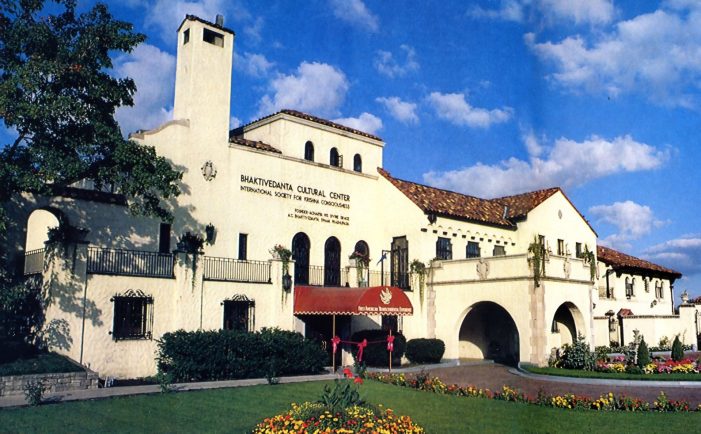
Detroit’s Grand New Showplace Of Krsna Culture. At the famous Lawrence P. Fisher Mansion, Indian spirituality and American ingenuity unite for the glorification of Lord Krsna.
I studied electricity. By the time I was finished, I felt I was very much in contact with a phenomenon that lacked sensible understanding. I mean, what really is a volt, an amp, an ohm?
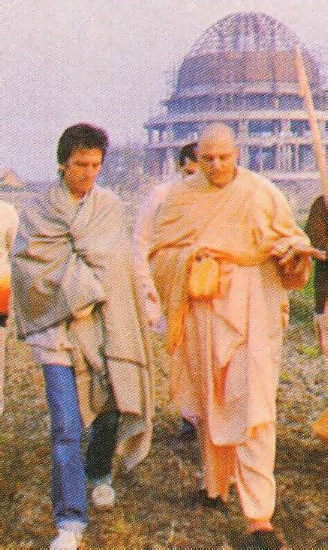
Former Beatle George Harrison, an old friend of the Hare Krsna movement, recently paid his first visit to the ISKCON center at this holy place of pilgrimage. George took part fully in the temple programs and toured the garden-filled grounds.
You can have BACK TO GODHEAD delivered to your home by mail every month. To take advantage of our special reduced-rate offer—and get a FREE GIFT besides—just fill out the attached postage-free card and drop it in the mail today.
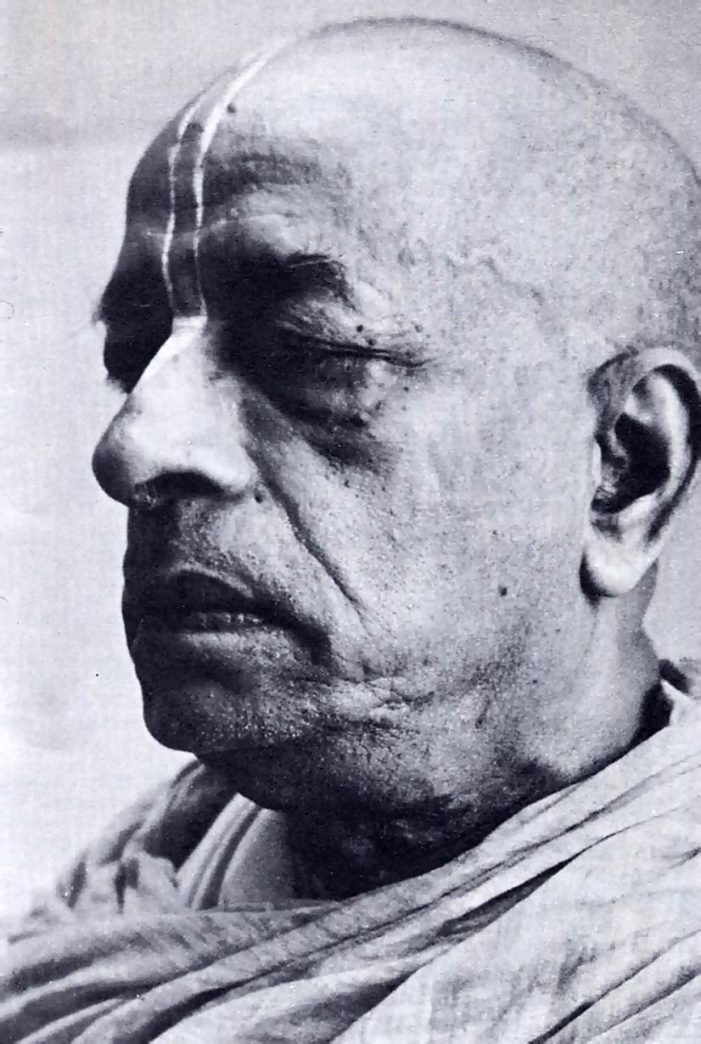
Your Holiness is the head of a great religious sect, I think we should meet together and chalk out a program for cooperation. Human society cannot any longer be allowed to continue a Godless civilization.