Khicari — A Poor Man’s Feast Fit for a King
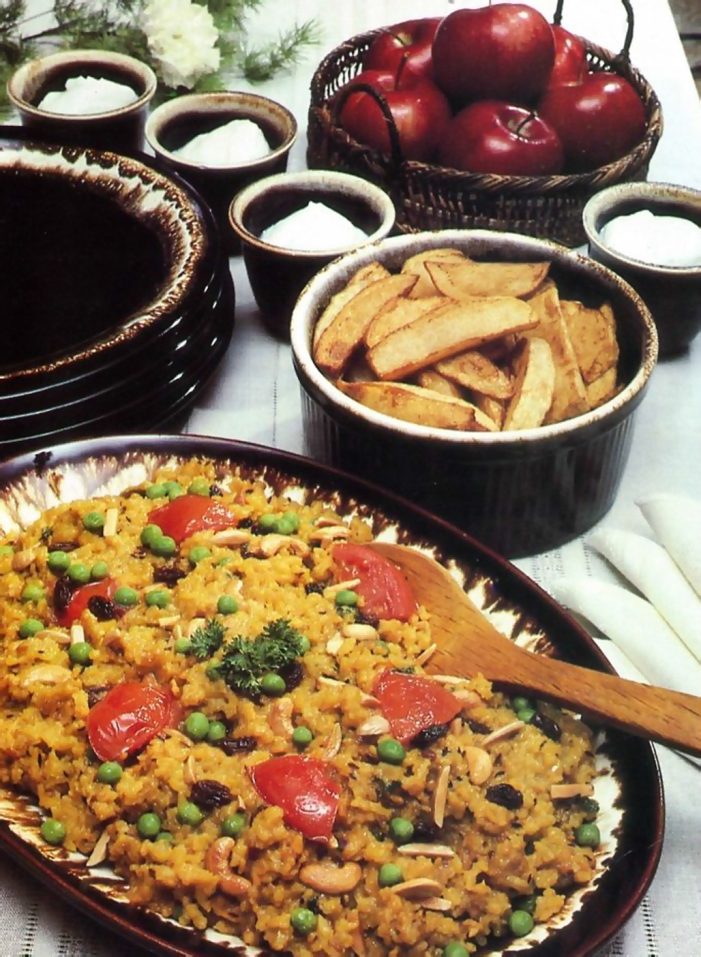
“A poor man’s feast fit for a king.” That’s what Srila Prabhupada called the meal in this photograph—khicari, fried potatoes, yogurt, and fresh fruit.
“A poor man’s feast fit for a king.” That’s what Srila Prabhupada called the meal in this photograph—khicari, fried potatoes, yogurt, and fresh fruit.
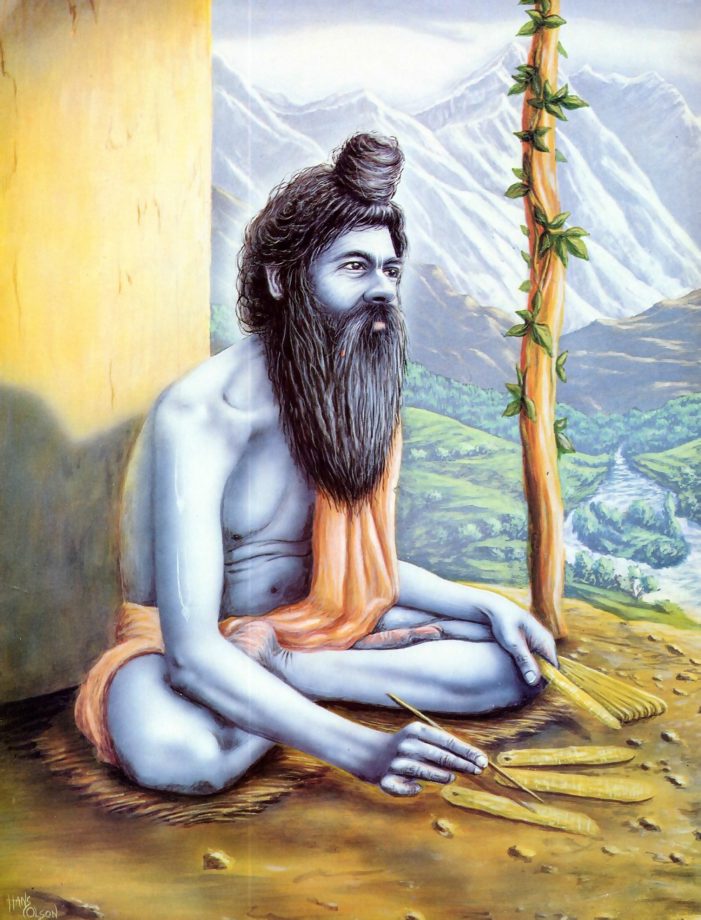
The material miseries of the living entity, which are superfluous to him, can be directly mitigated by the linking process of devotional service to Lord Krsna. But the mass of people do not know this, and therefore the learned Vyasadeva compiled this Vedic literature.

The Pennsylvania Dairymen’s Association honored the Hare Krsna farm in Port Royal for having the best herd of Brown Swiss cows in the state.
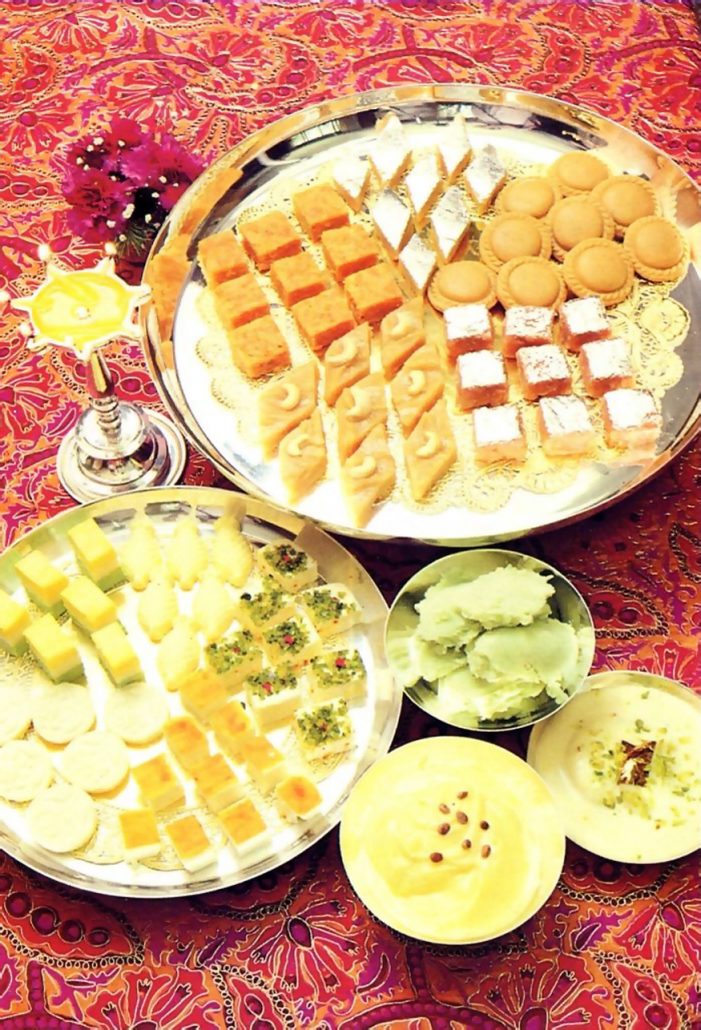
Krsna would steal yogurt and butter from the gopis. Then He would run off to enjoy His booty and share it with the monkeys from the nearby forest. When the gopis caught Krsna, He’d feign innocence and say, “Why do you call Me a thief? Do you think butter is scarce in My house?”
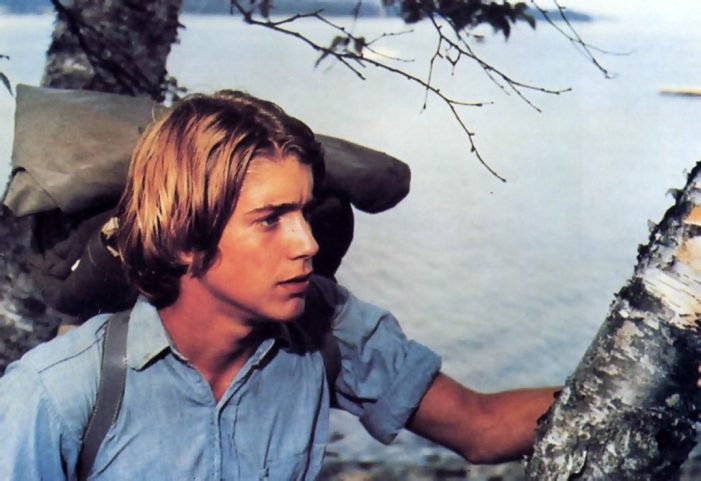
Having just spent four disappointing years at the Exeter Academy, in New Hampshire, I was enjoying a new freedom at Harvard. I could choose my own courses, make new friends, and take part in Boston’s collegiate youth culture.
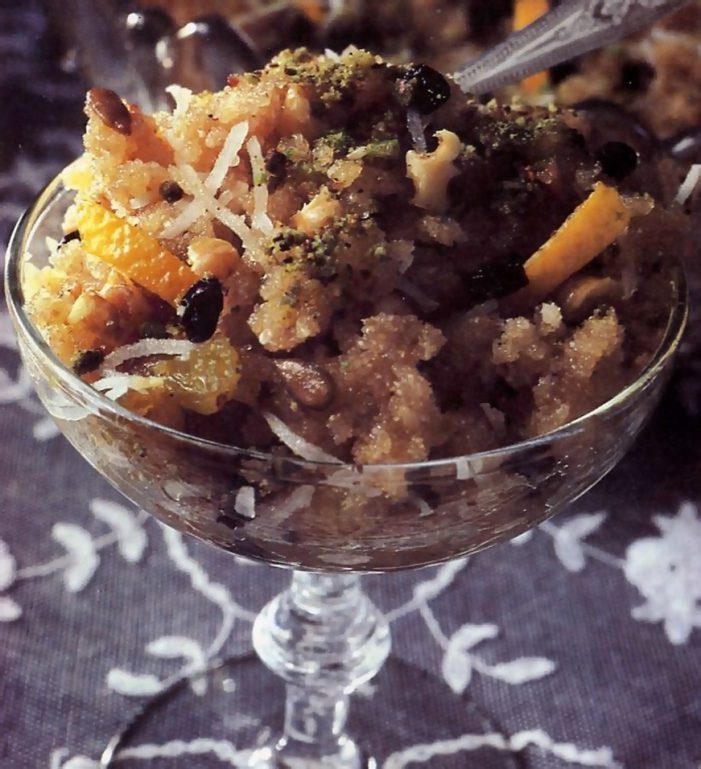
Preparing and eating these foods for our own pleasure is not the same as preparing and offering them to Lord Krsna for His pleasure, because food that’s material when unconnected with the Lord becomes transcendental when offered to Him.
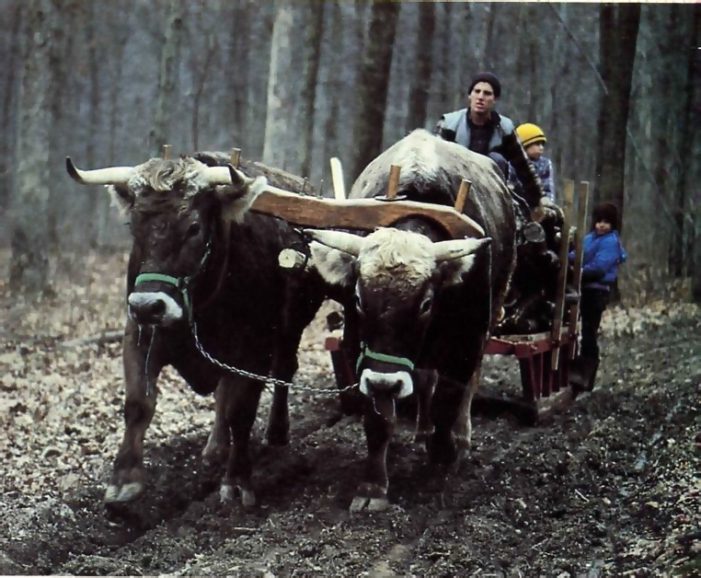
He stands five feet high, eight feet long, and weighs three hundred pounds more than a ton. His name is Bharata, after a pure devotee of Lord Krsna, but because a simple ox responds best to commands of one syllable, the men rhyme his name with spot—”Brot!”
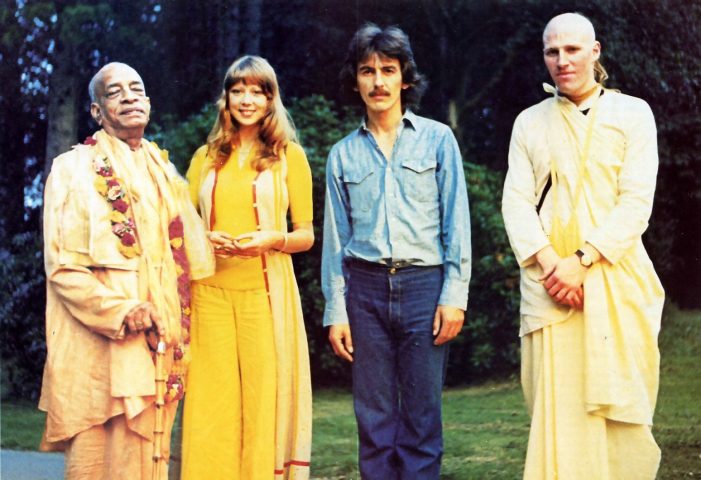
“There’s nothing better than having been chanting and dancing, or just sitting and talking philosophy, and then suddenly the devotees bring out the prasadam. It’s a blessing from Krsna, and it’s spiritually important.”
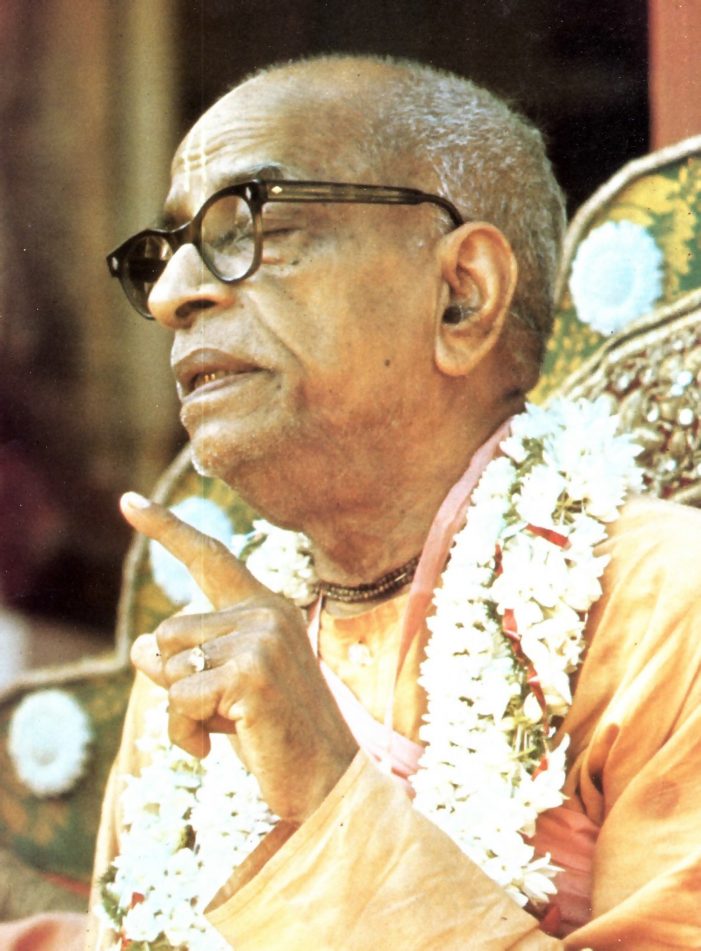
The Krsna consciousness movement is gradually spreading all over the world, but it is a little difficult to understand the purport of this movement because it is completely on the spiritual platform. Generally, people do not understand what the spiritual platform is.
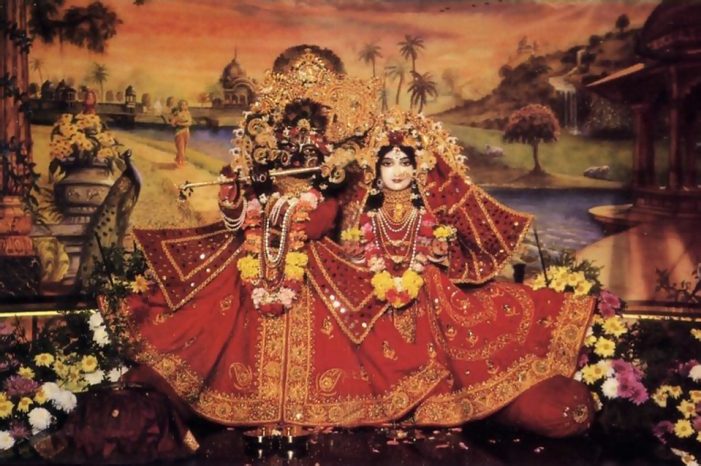
As in all Hare Krsna temples, the devotees in Canada begin the day at 4:30 in the morning with a formal arati ceremony. Accompanying themselves on drums and hand cymbals, they sing prayers to the spiritual master, a pure representative of Krsna.
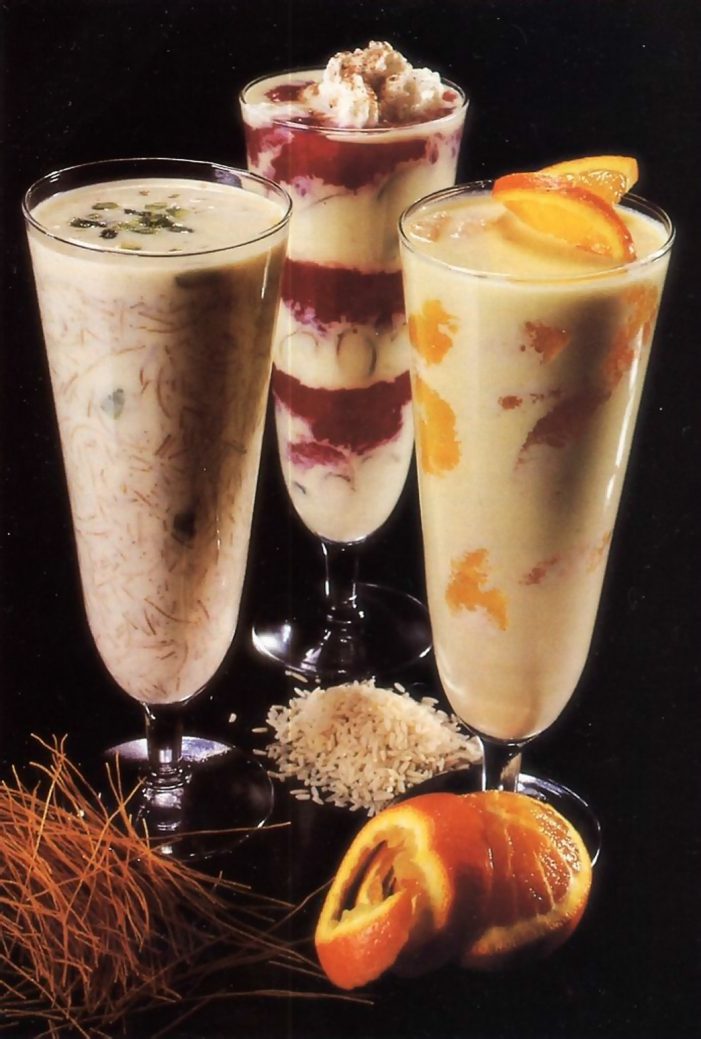
If you’ve ever been to a Sunday Love Feast at a Hare Krsna temple, it’s more than likely that you’ve tasted sweet rice—that cool, thick, milky dessert with rice in it—often the highlight of the feast.
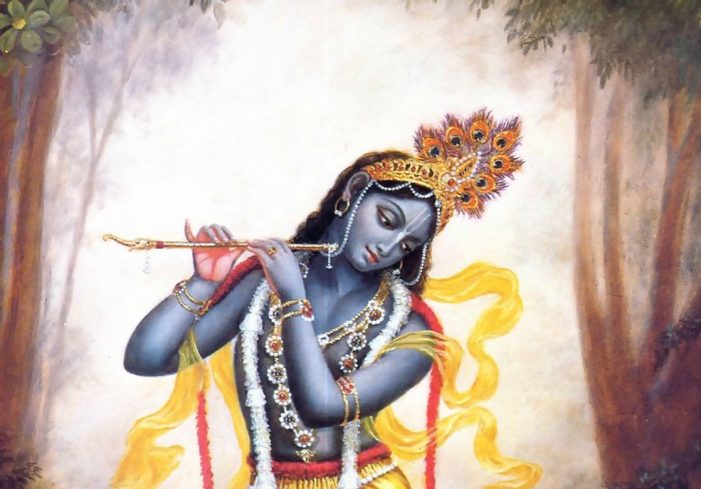
The Supreme Godhead is one without a second, is an eternal, joyful personality with a full sense of His own identity. That is a concise description of the Supreme Lord, and no one is equal to or greater than Him.
ISKCON Cinema has just released a documentary on the life of Srila Prabhupada. Titled Your Ever Well-Wisher, the film traces Srila Prabhupada’s life from his birth in Calcutta in 1896 to his passing away in Vrndavana in 1977.
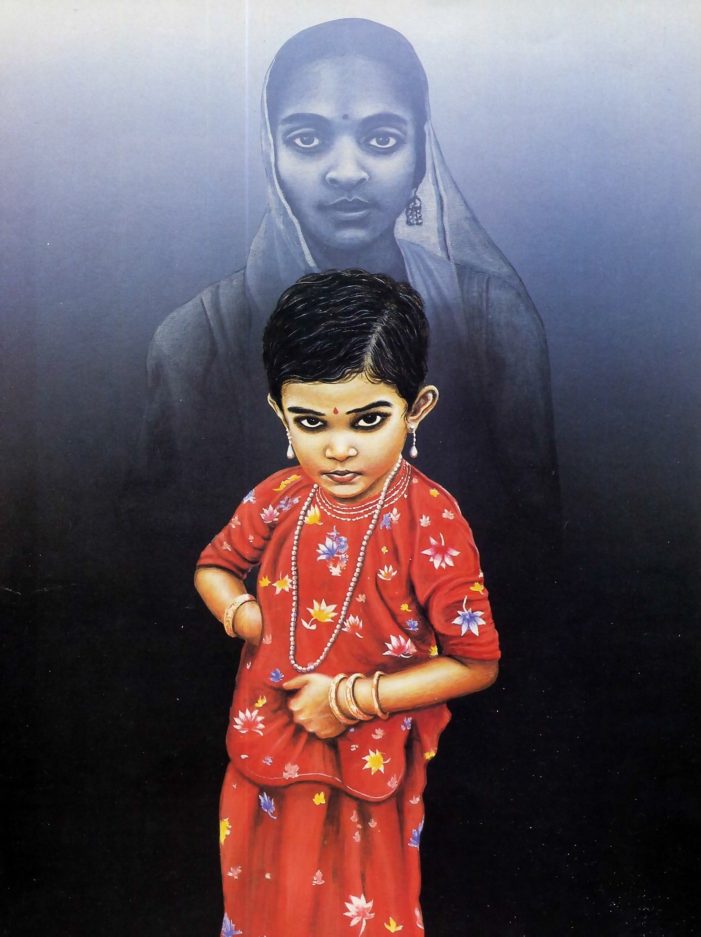
Sukla was one of those rare children whose testimony and behavior give evidence for the theory that your personality survives the death of your body and travels on to live in another body. This is the theory of reincarnation.
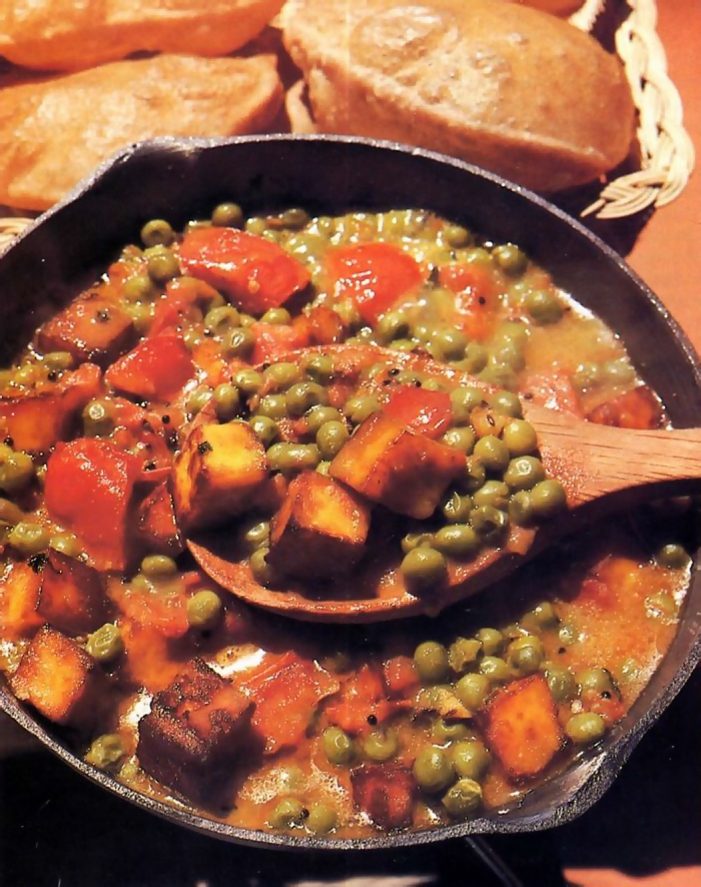
Meat-eating is bad for many reasons. For health reasons: “The inherent cholesterol, toxins, uric acid, high bacteria count, general indigestibility, and lack of fiber in the flesh of an animal whose life was aborted in turn shortens the life of the carnivore”

People do not know that they are spoiling their life. They are thinking, “I’ve got a very nice apartment, a very nice car, a very nice wife, a very nice income, a very nice social position.” All these material attractions make us forget the purpose of our life—to worship Krsna.

Why is that woman blithely dusting the birdcage when it’s the bird itself, obviously sick or hungry, that urgently needs attention? She seems so caught up in polishing her golden cage that she’s forgotten all about the poor creature.
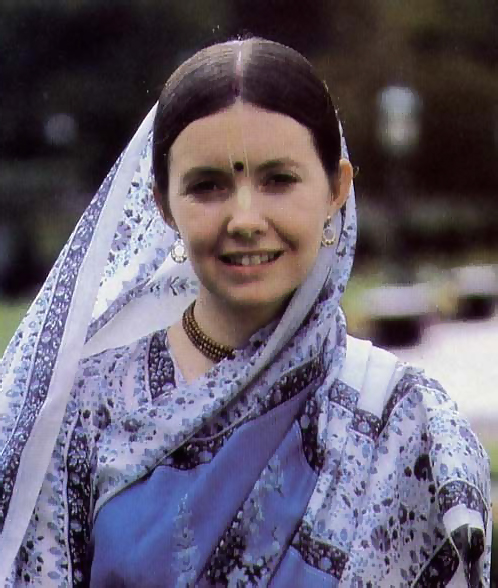
The solution to the problem of male domination and exploitation is not for women to become dominators and exploiters—to compete for social, economic, and political supremacy. So-called supremacy can’t satisfy women any more than it satisfies men.
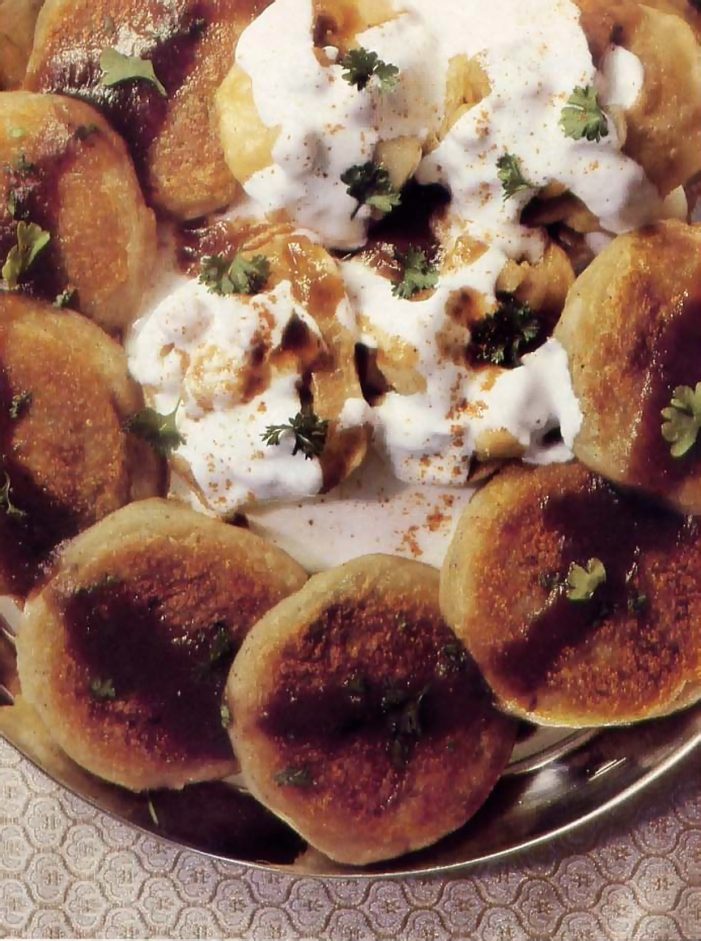
For 79 cents get a one-pound package of Bird’s-Eye Tiny Taters. Or, for 19 cents, you could get a pound of fresh potatoes instead and make tikkis (pronounced “teekees”), pan-fried potato patties.
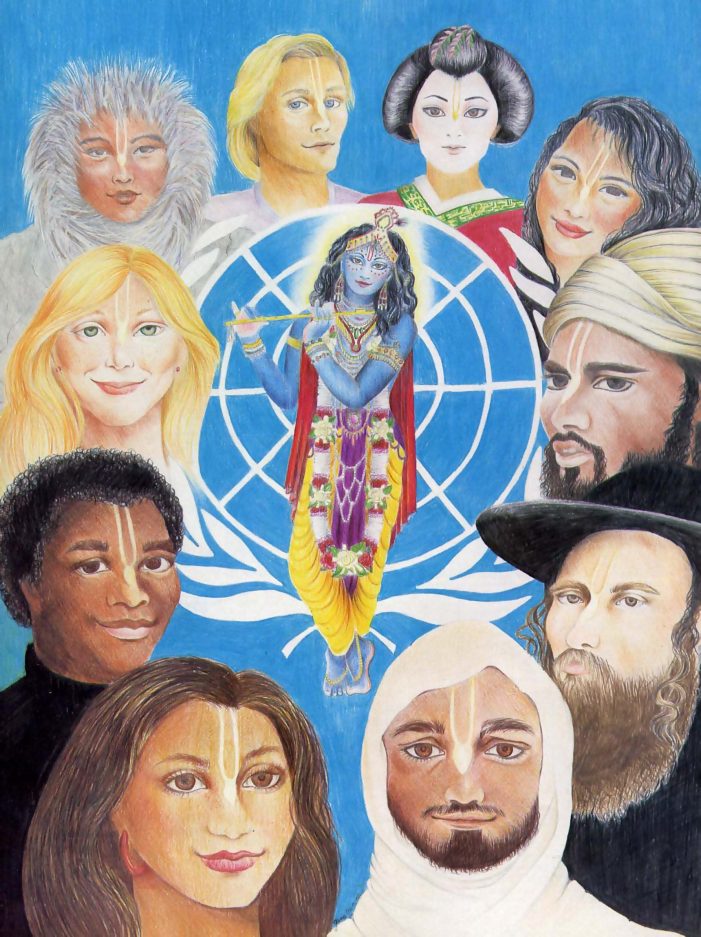
There are many international societies, such as the United Nations. So the idea of an international society is very nice, but we must try to understand what the central idea of an international society should be.