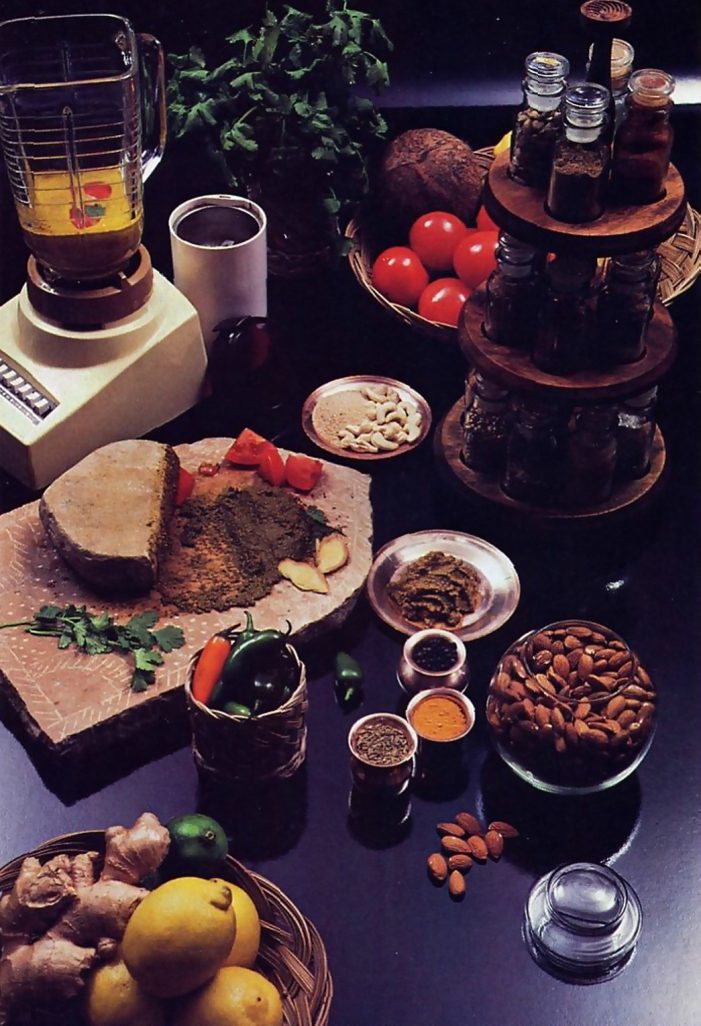
Paste masala refers to spices and herbs that have been ground to a moist, smooth consistency. When slowly simmered, paste masalas impart a full-bodied flavor that is distinctive yet subtle—an ideal spicing for dry bean dishes, dals, gravies, and moist vegetables.
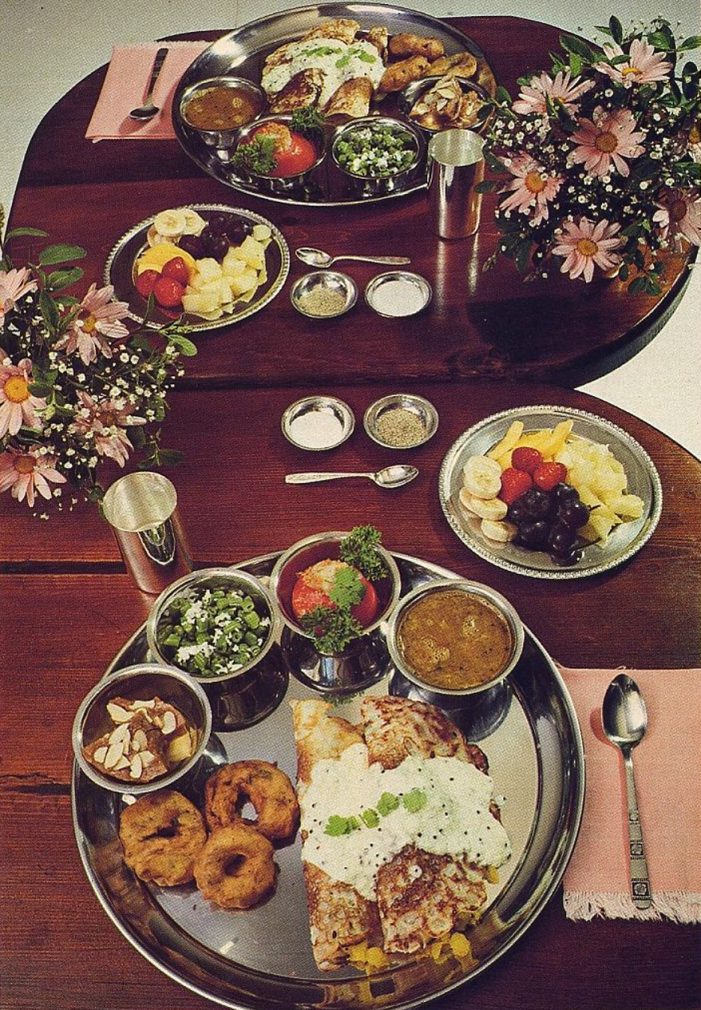
We’re featuring dishes that are quick and easy. Puffed rice is a light meal. Not exactly “instant,” but almost.When it comes to food, we want it effortlessly and fast.
Even the classiest restaurants aren’t prepared for the vegetarian. A vegetarian friend who was obliged to go to a famous Italian restaurant for a business lunch told me of her plight.
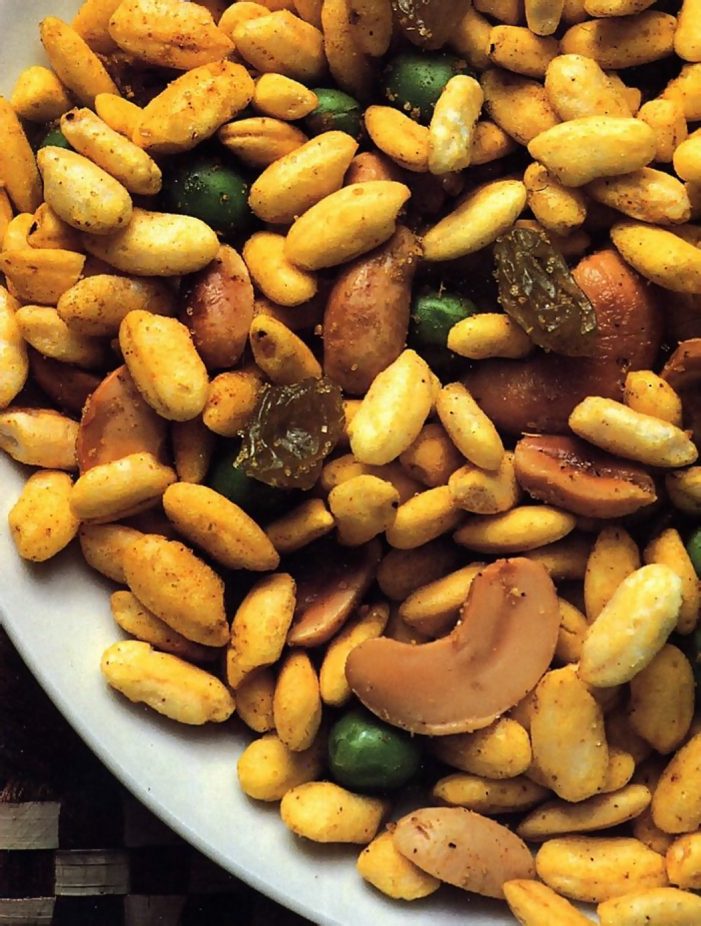
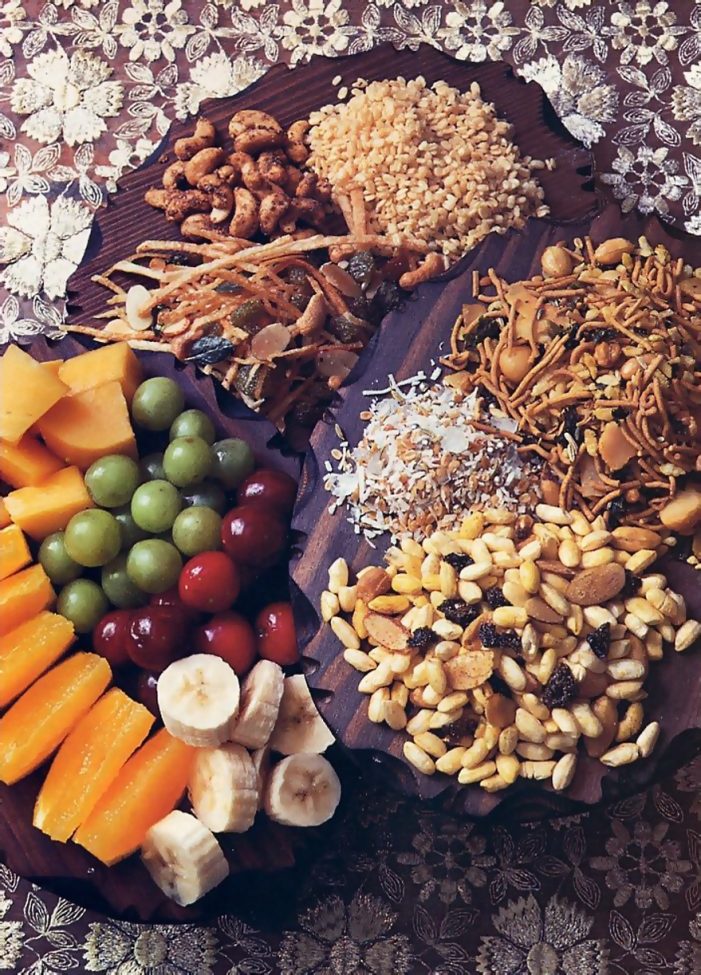
For the unexpected guest here are some nibblers you can prepare and keep on hand to serve between meals. They have a diverse range of textures and flavors. You can store them and eat them at room temperature, or warm them in the oven.
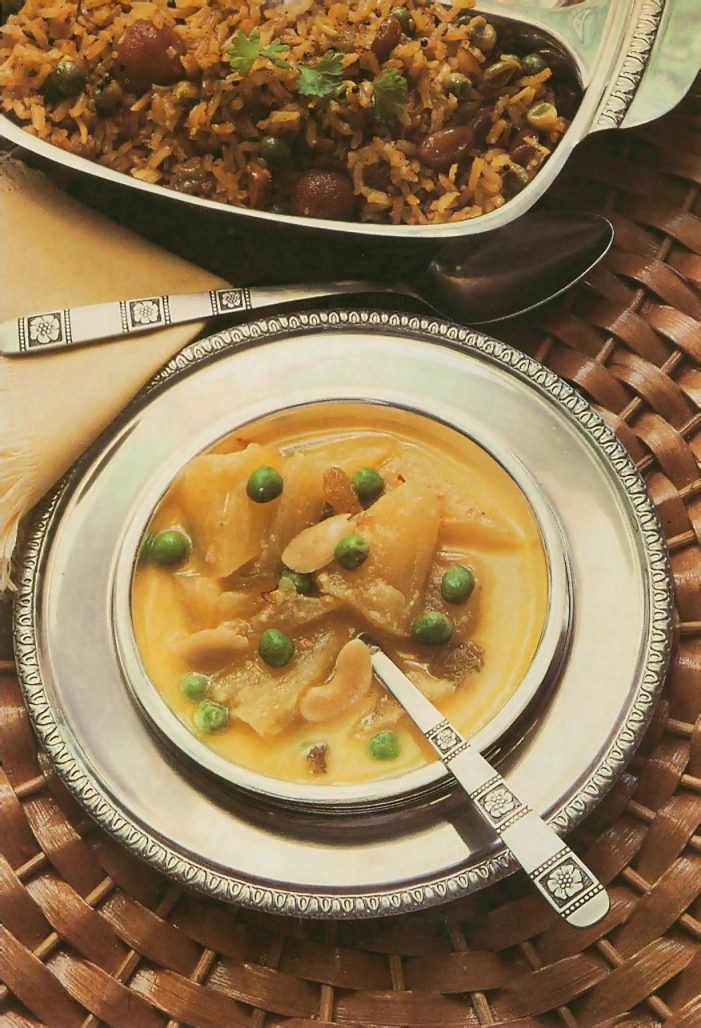
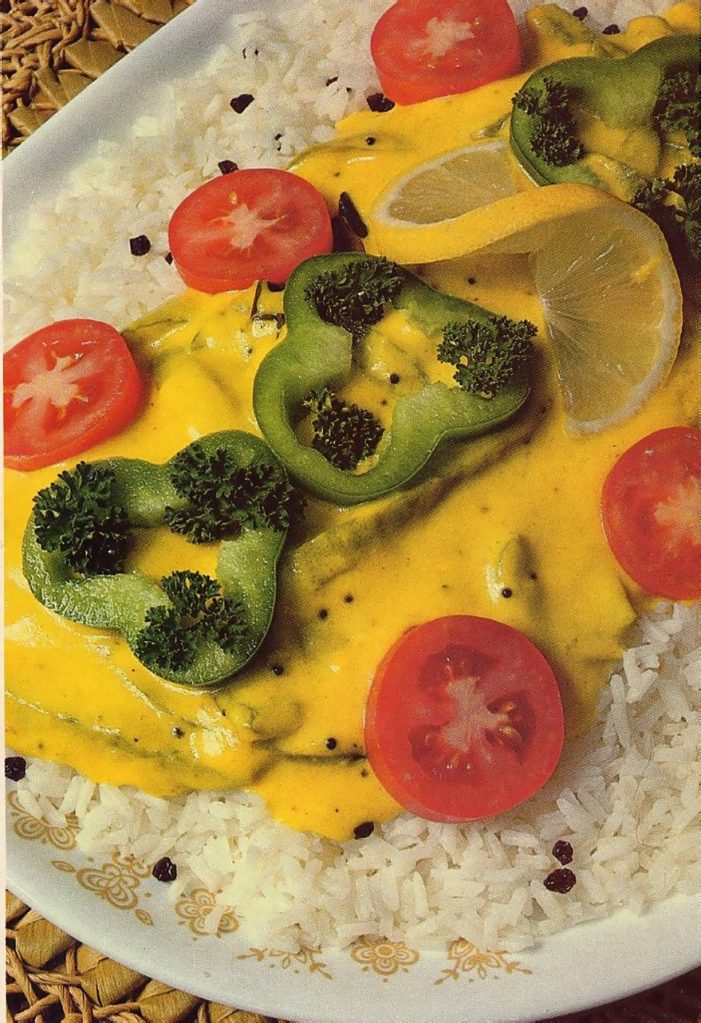
This month we’re presenting an excellent vegetarian source of protein: karhi sauce. It contains yogurt, a complete protein, and chickpea flour, an incomplete protein that becomes complete in conjunction with yogurt. You can eat karhi sauce as an alternative to dal.
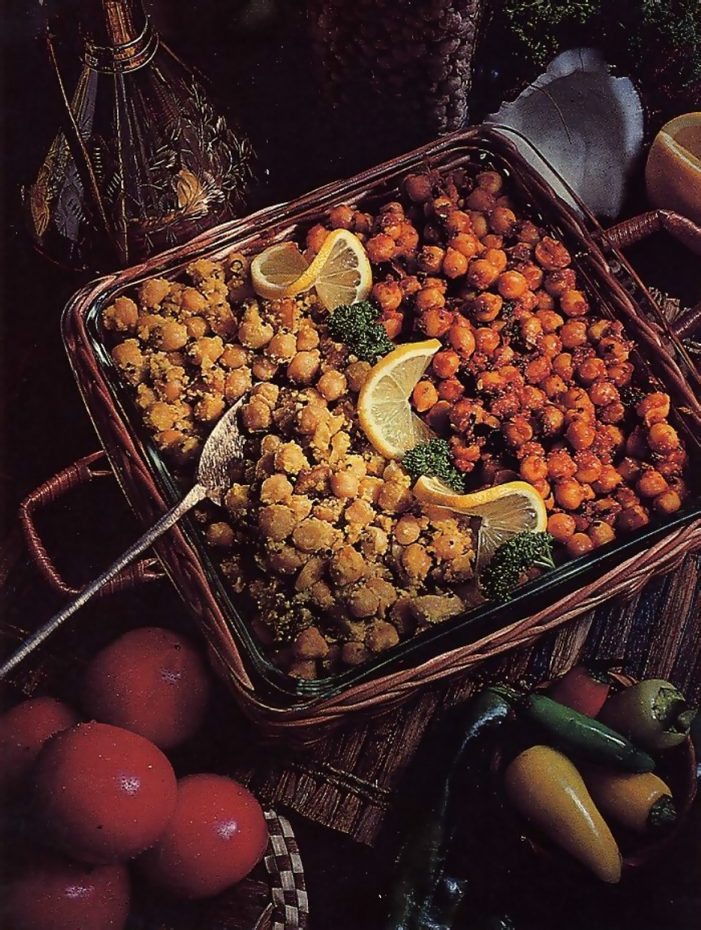
Chickpeas are a good source of protein and iron, as well as fiber, vitamins A and b6, riboflavin, thiamin, niacin, calcium, phosphorous, sodium, and potassium. But the best thing about the chickpea is that we can offer it to Krsna.
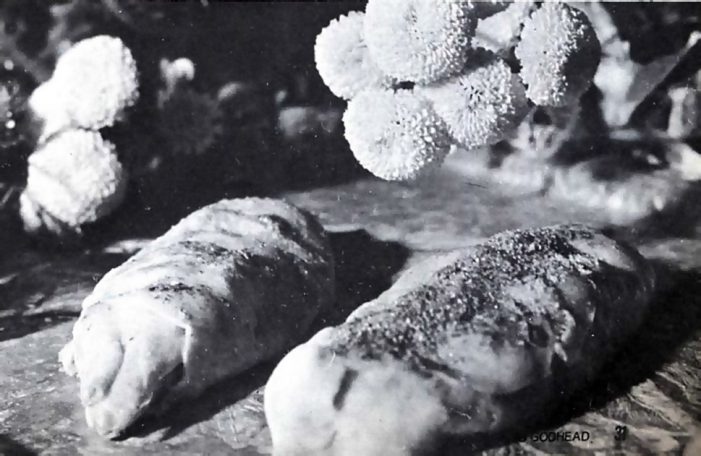
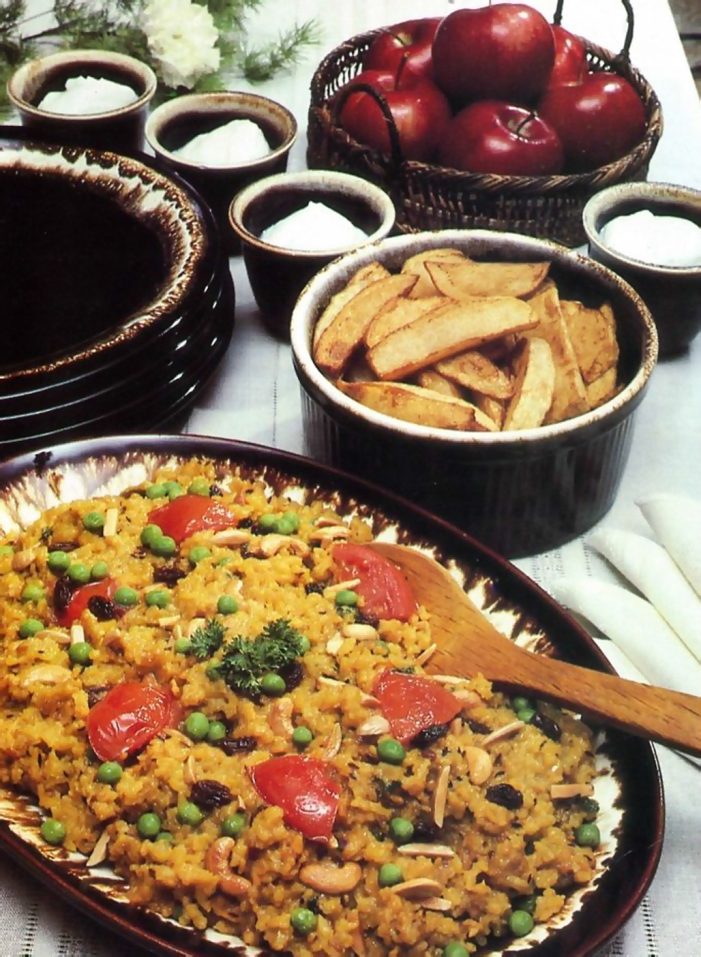
Cinnamon Apple Pastries are a great treat either served by themselves or as a dessert. The dishes they complement best are vegetable preparations such as Sweet Pepper.
The spiritual master is expert in preparing these foodstuffs, and is always offering instructions to us with love. So, following his example, we are offering to everyone some suggestions for preparing foodstuffs for the Lord, to be offered, we hope, with love.
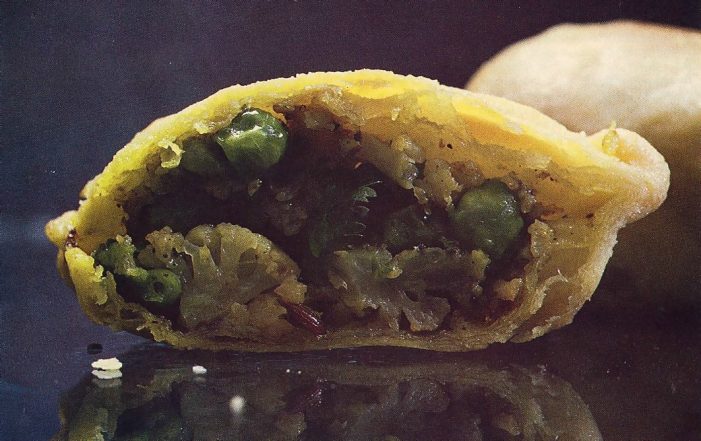
The first thing you’ll notice is its wonderfully tender, thin pastry crust, golden-brown from deep-frying. Inside are peas, potatoes, or small chunks of cauliflower, seasoned not too little so that the samosa’s bland, and not too much so that it’s hot, but just enough to delight the palate.
It’s a common misconception that one must give up all of the “good foods” to become a vegetarian. However, anyone who takes to a Krishna Prasadam diet, which strictly rules out meat, fish or eggs of any kind, soon forgets that he has abandoned such so-called “good foods.”
These two preparations come to us from the ancient line of disciplic succession. These preparations are as old as the Vedas themselves, and just like the Vedas their taste is ever refreshing and new. Either of these may be served as a main or a side dish.
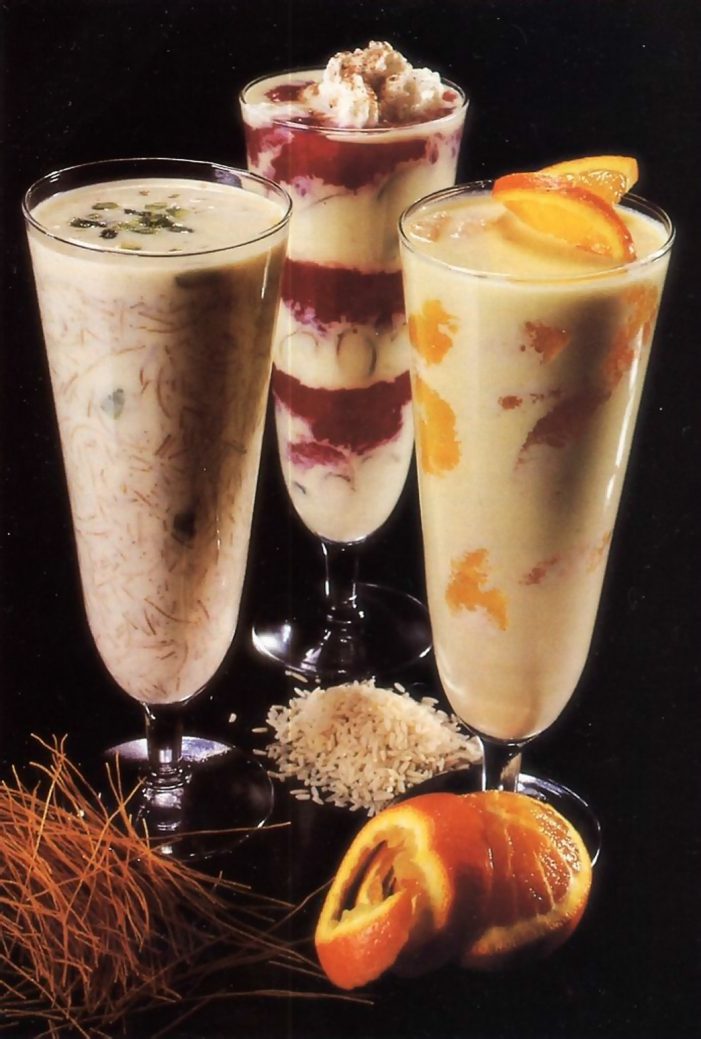
You can make substantial beverages by combining fruits, spices, nuts, and essences with milk, buttermilk, or yogurt. Milk, also the basis for cold shakes, makes a soothing nightcap when served hot.
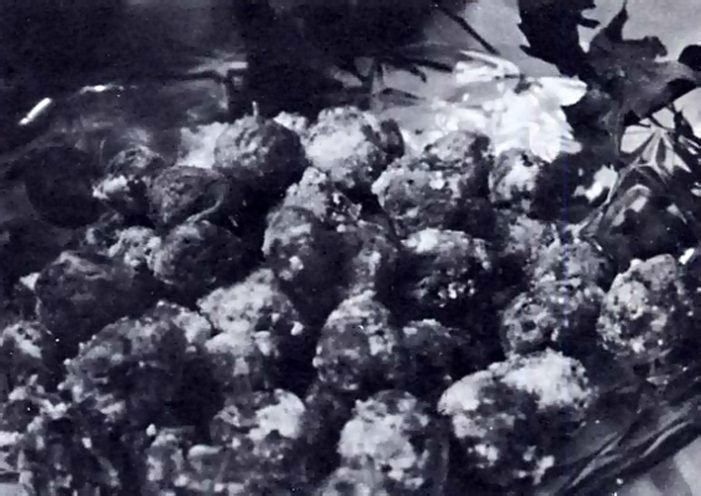
Coconut Honey Balls will fill your mouth with bliss.The famous “tempoura” of Japan actually originated in India as Pakora. Be careful to make a liberal portion of this dish. You’ll understand why with the first bite. Poppers, our final treat, are the fastest cooking preparation in the world.
Krsna would steal yogurt and butter from the gopis. Then He would run off to enjoy His booty and share it with the monkeys from the nearby forest. When the gopis caught Krsna, He’d feign innocence and say, “Why do you call Me a thief? Do you think butter is scarce in My house?”
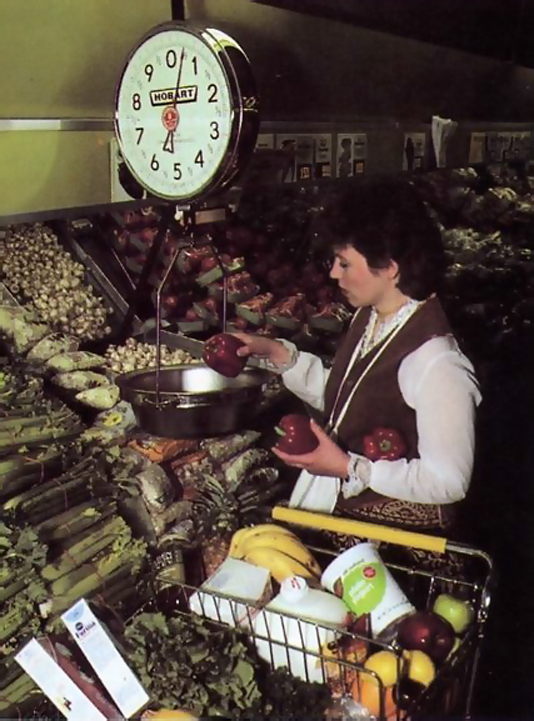
If you’ve decided to be a vegetarian, and to take the further step of offering all your food to the Lord, sooner or later you’ll face the task of changing your shopping habits.
Preparing and eating these foods for our own pleasure is not the same as preparing and offering them to Lord Krsna for His pleasure, because food that’s material when unconnected with the Lord becomes transcendental when offered to Him.
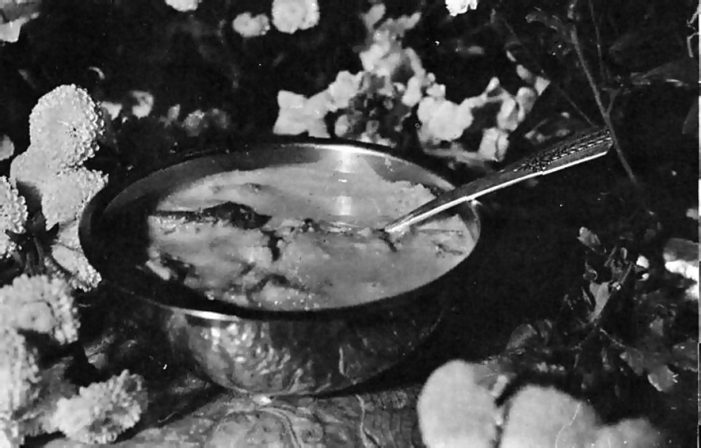
If you’ve ever been to a Sunday Love Feast at a Hare Krsna temple, it’s more than likely that you’ve tasted sweet rice—that cool, thick, milky dessert with rice in it—often the highlight of the feast.