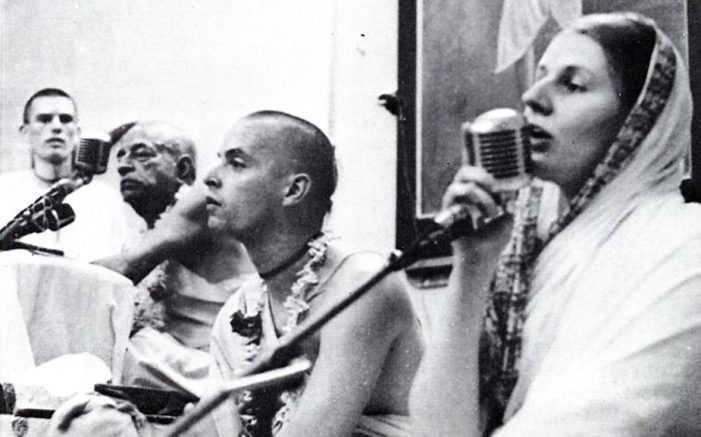
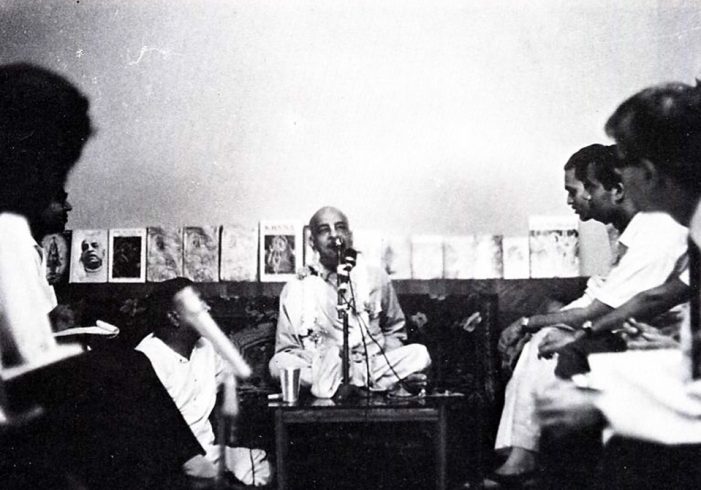
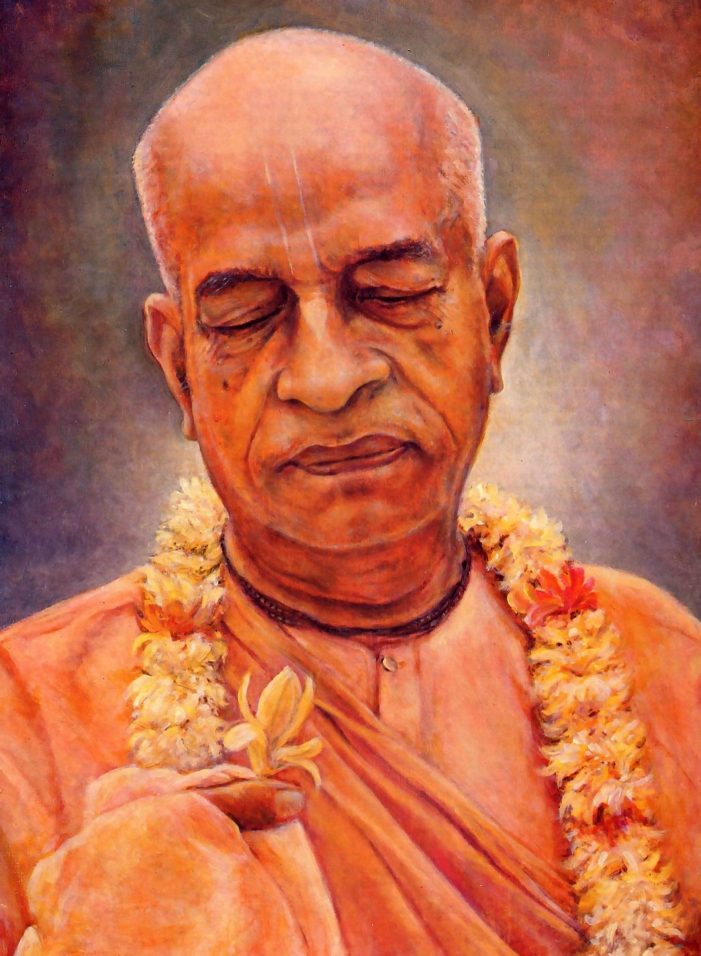
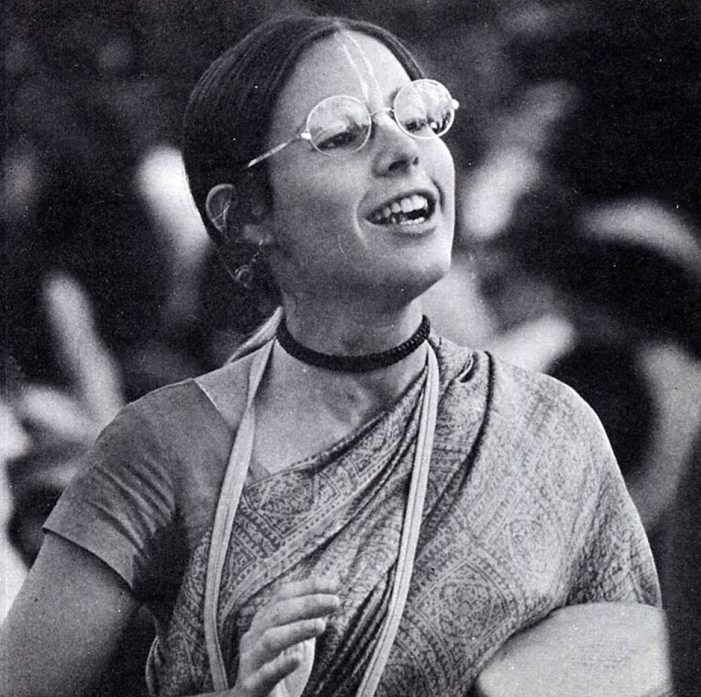
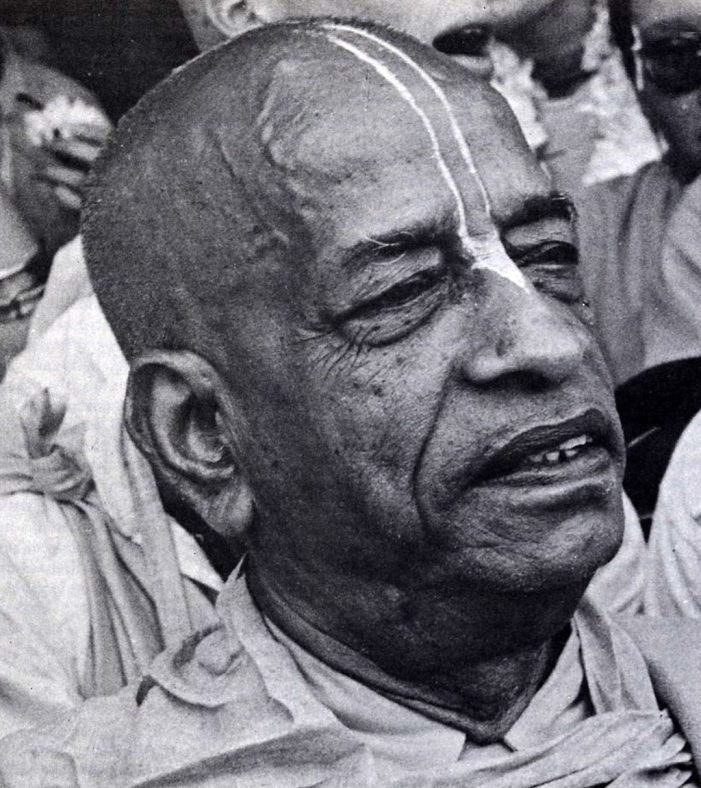
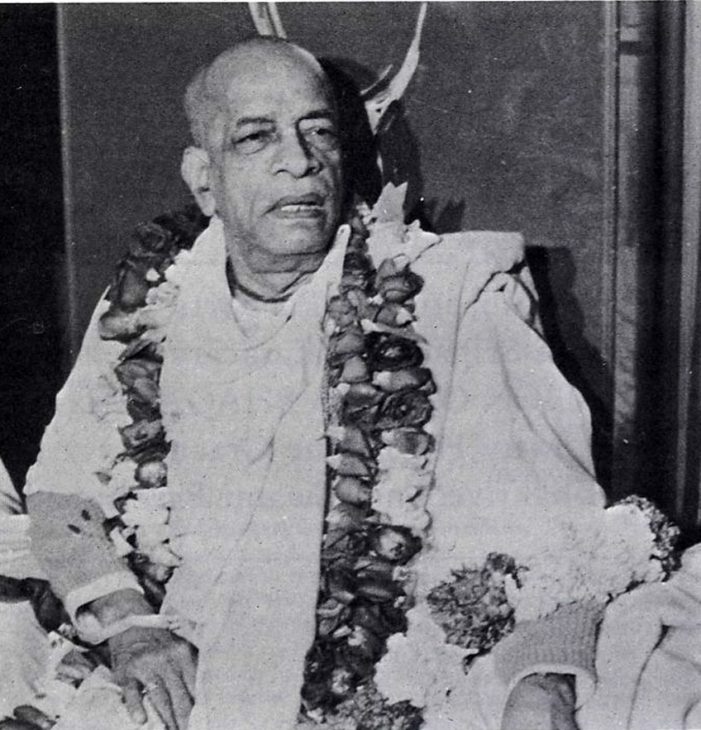
The tour of His Divine Grace A.C. Bhaktivedanta Swami Prabhupada throughout India attracted much daily news coverage, and many major magazines ran features about Srila Prabhupada and his foreign disciples.
The Indian reporter asked why Americans and Europeans are becoming Hindus. Srila Prabhupada said, “Krsna is not Hindu—you won’t find the word Hindu anywhere in Vedic literature.”
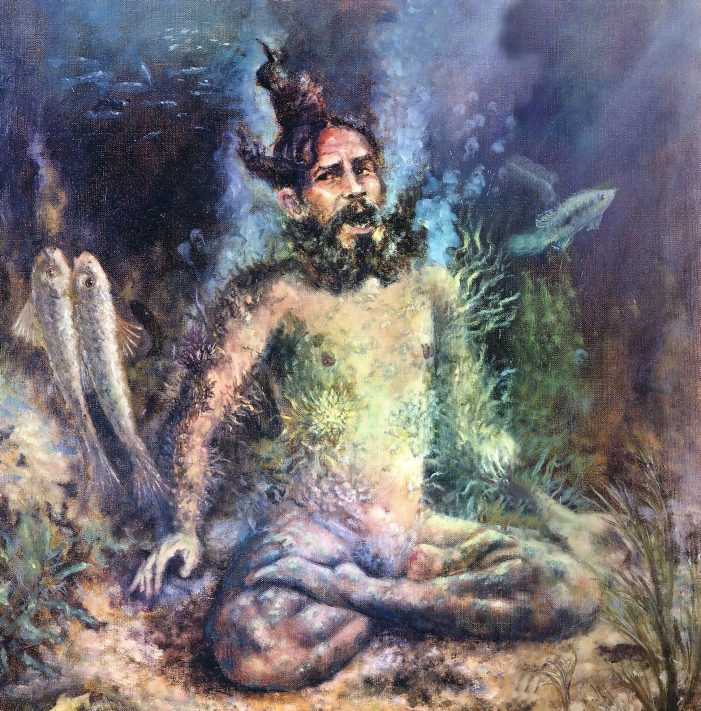
To practice yoga you need a secluded place. Traditionally, yogis have retired to Himalayan caves, to remote corners of dense, unexplored jungles, even to the depths of an ocean or river. The great yogi Saubhari Muni meditated for many years within the Yamuna River.
A Vaisnava feels compassion for the distress of others. Lord Jesus Christ, for instance, was greatly afflicted by the miserable conditions of the people. All Vaisnavas, or devotees—any people who are God conscious—are thus compassionate.
Hare Krsna devotees don’t eat meat, fish, or eggs, they don’t have to worry about cholesterol in fried foods. A tablespoon of ghee contains only 31 milliliters of cholesterol—nothing compared to the 274 milliliters in just one egg.
Even if one has achieved great success in business, or has amassed great wealth, a nice family, fame, or any amount of worldly or mystical power, still dissatisfaction at the inner core of one’s being is liable to occur.
Krsna consciousness not only allows for love but is constituted of nothing but love. In fact, by practicing Krsna consciousness, one gradually comes to realize that supreme love which permeates all beings and objects throughout the universe.
Advaita Acarya offered to the Deity of Lord Krsna the feast his wife had prepared. Pleased to see the gorgeous arrangement for Krsna’s pleasure, Lord Caitanya expressed His great satisfaction. Then He humbly sat down to one side, expecting to take a small portion of the offering.
News of tragedy from India shocked the world—first, the assassination of Prime Minister Indira Gandhi followed by mass murders and mayhem, then, hardly a month later, the catastrophic poisonous gas leak at the Union Carbide plant in Bhopal.
Many vegetarian foods are a better source of protein than meat is. A typical hundred-gram portion of meat contains about twenty grams of protein, whereas an equal amount of cheese or lentils yields about twenty-five grams.
Everyone is hankering after happiness and pleasure, and when one’s existence is purified he will be placed on the transcendental platform and will be able to enjoy eternal happiness.
The Eighth Chapter of the Bhagavad-gita begins with a series of seven questions. Arjuna asks, “What is Brahman?” “What is fruitive activity?” “What is the material manifestation?” “What are the demigods?”
The devotees of the Krsna consciousness movement are simply trying to spread this sublime message all over the earth. Observe how people everywhere—in America, Japan, Australia, Canada and Europe—are taking to this life style and taking off the shackles of material existence.
Glory to the sri-krsna-sankirtana, which cleanses the heart of all the dust accumulated for years together. Thus the fire of conditional life, of repeated birth and death, is extinguished.
Krishna says: “Devotees are always engaged in chanting My glories, endeavoring with great determination. Offering homage unto Me, they worship Me with devotion.”
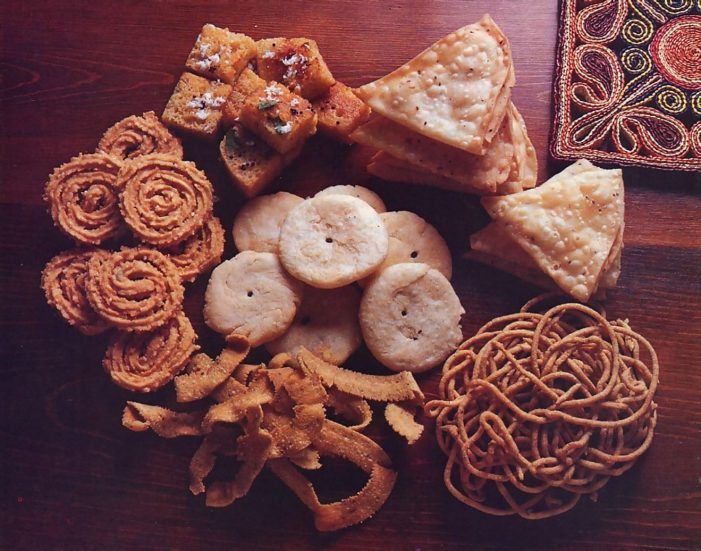
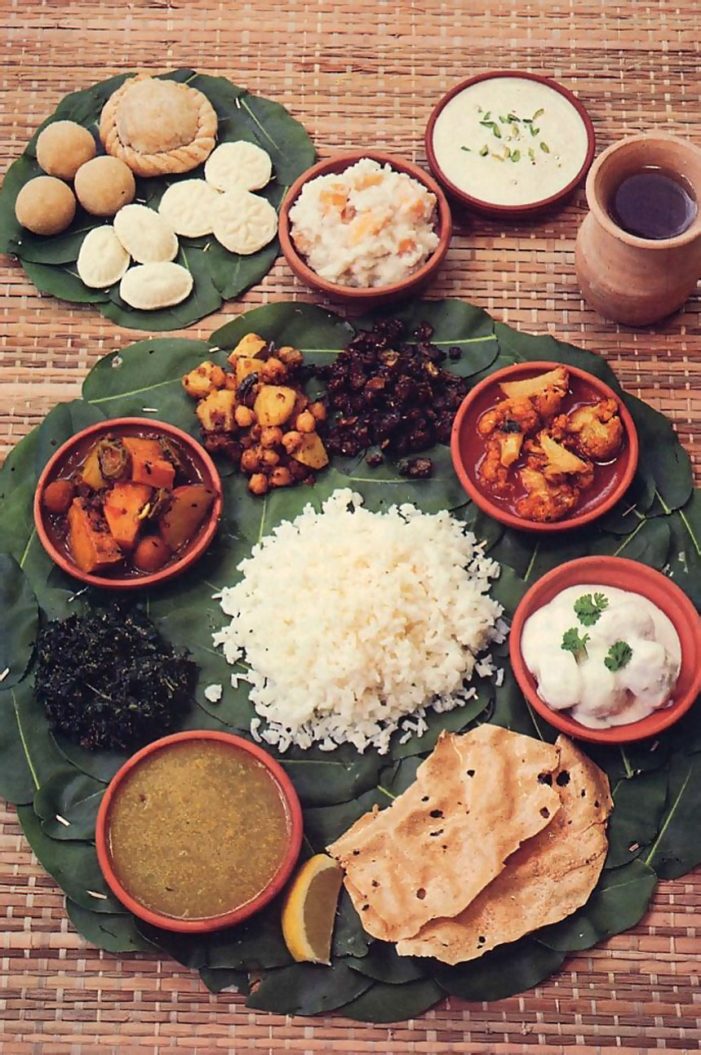
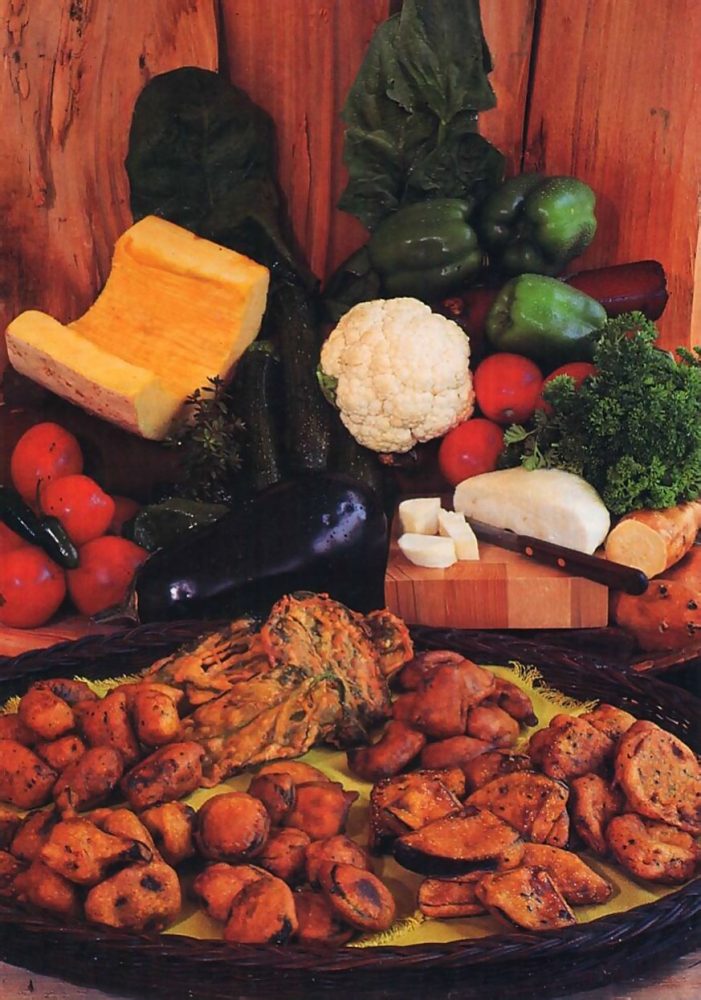
The taking of prasadam, spiritual foodstuffs, by the devotee and the distribution of such foodstuffs to the public is an extremely important part of Krsna consciousness.
In the Sixth Chapter of the Bhagavad-gita Lord Krsna is explaining how to practice yoga by meditation. Although the Lord is recommending the eightfold yoga system here, we will also see that in the end it is rejected in favor of karma-yoga.
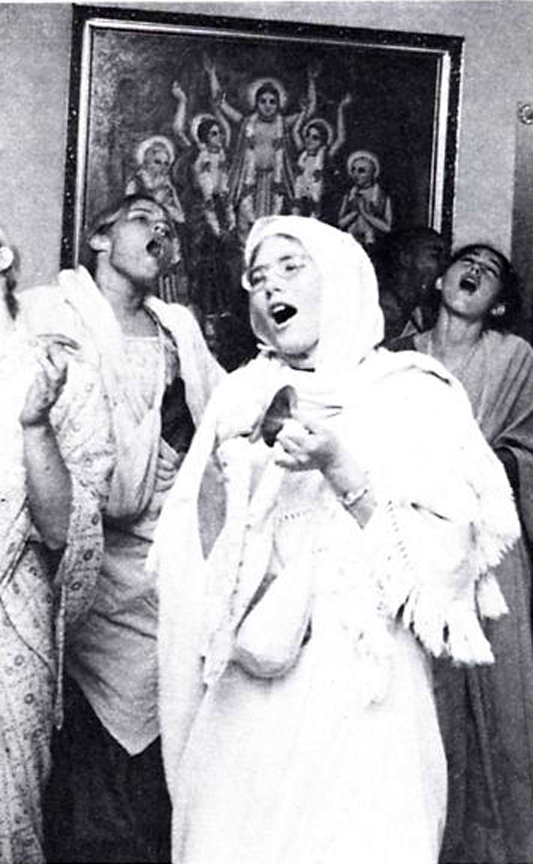
It is hoped that the government authorities will cooperate with our sankirtana parties in enabling us to perform sankirtana on the streets. To do this it is necessary that we be able to chant the names of Krsna, dance, play the mrdanga drum.