When God Takes Sides
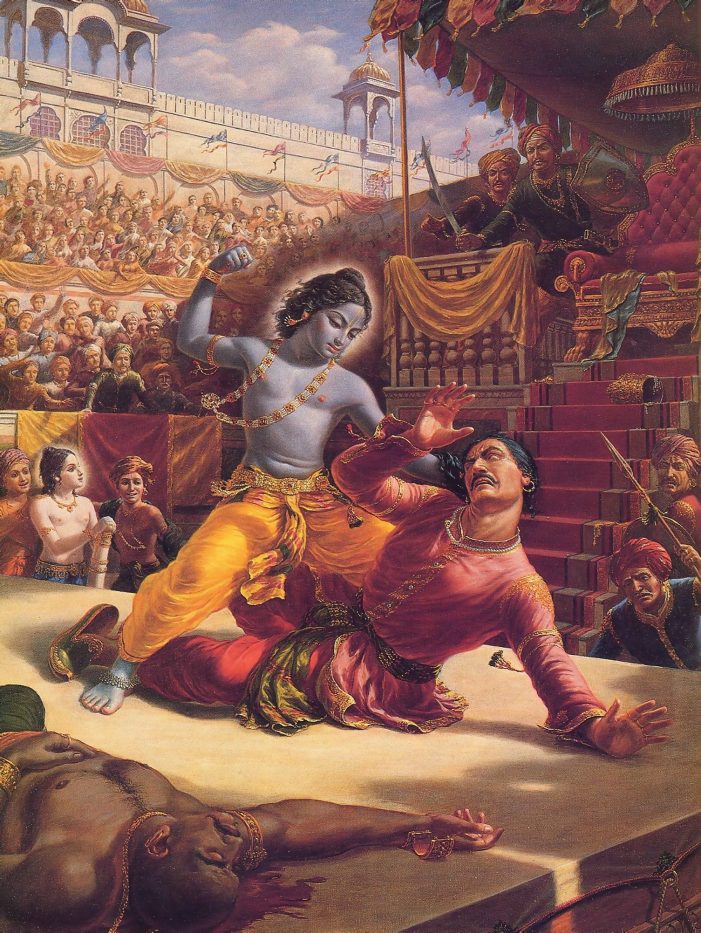
The powerful tyrant, Kamsa, was as vile as they come. After usurping the throne from his father and killing and imprisoning many of his own relatives, he turned on his chief rival, Lord Krsna.
The powerful tyrant, Kamsa, was as vile as they come. After usurping the throne from his father and killing and imprisoning many of his own relatives, he turned on his chief rival, Lord Krsna.
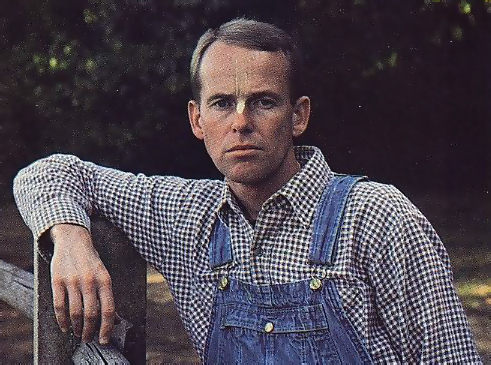
Kali’s spirit of quarrel and hypocrisy pervades even religion and gives God a bad name. Church picnics, hayrides, and bingo parties introduce many of us to drinking, sex, and gambling, Kali confirms us as meat-eaters by serving us the flesh of cows.
Where we speak of universal brotherhood it must comprehend all brothers and not such brothers and allies as are accepted by the politician who have always some design of self-interest.
No. Providence is not responsible for the sufferings of humanity. The suffering of humanity is the result of its misuse of discriminative power or the little independence which is given to the individual soul.
We met the other day the founder of one human welfare society and we have been pleased to see the plan. And we suggested a little more improvement on it by the method of keeping all the items of plans etc. in touch with the plannings of Bhagwat Geeta.
Godless leaders do pose themselves as very much thoughtful but the range of such thoughts cannot transcend the limits of sense gratification. Such attitude of thoughtfulness in an immeasurable way-cannot help them solving the problems of life.
In the relative truth everything can be known within the purview of time, space and thought but in the realm of the Absolute no such method of scientific thought can work. The Absolute Truth can therefore be known by the transcendental method of thinking.
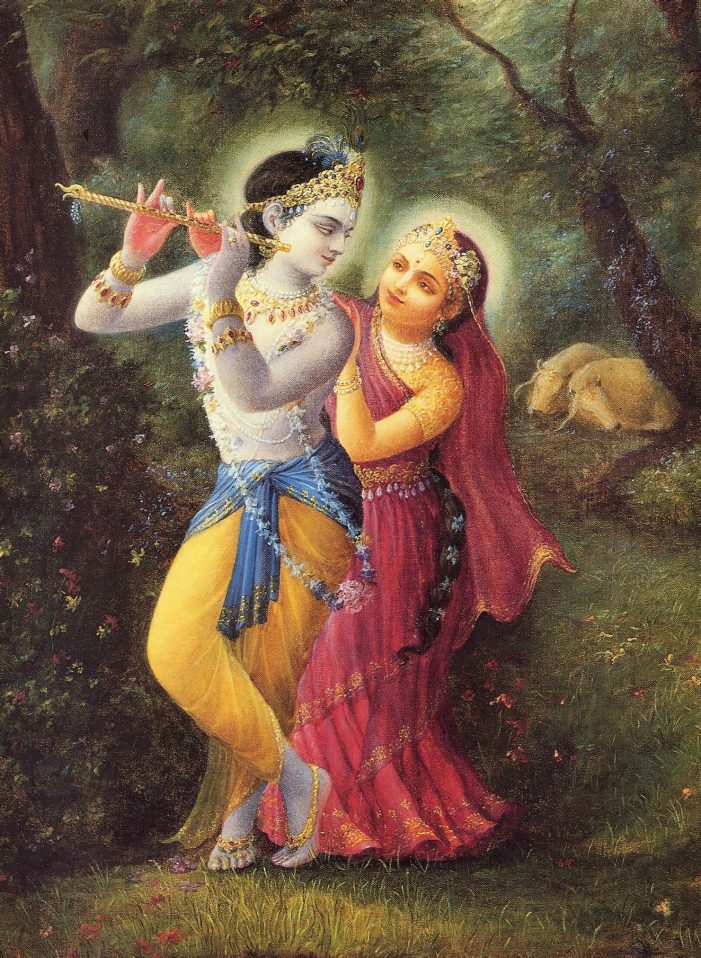
In this material world everyone is attracted by sex. This is a fact. The happiness—the so-called happiness—of household life begins from sexual intercourse.
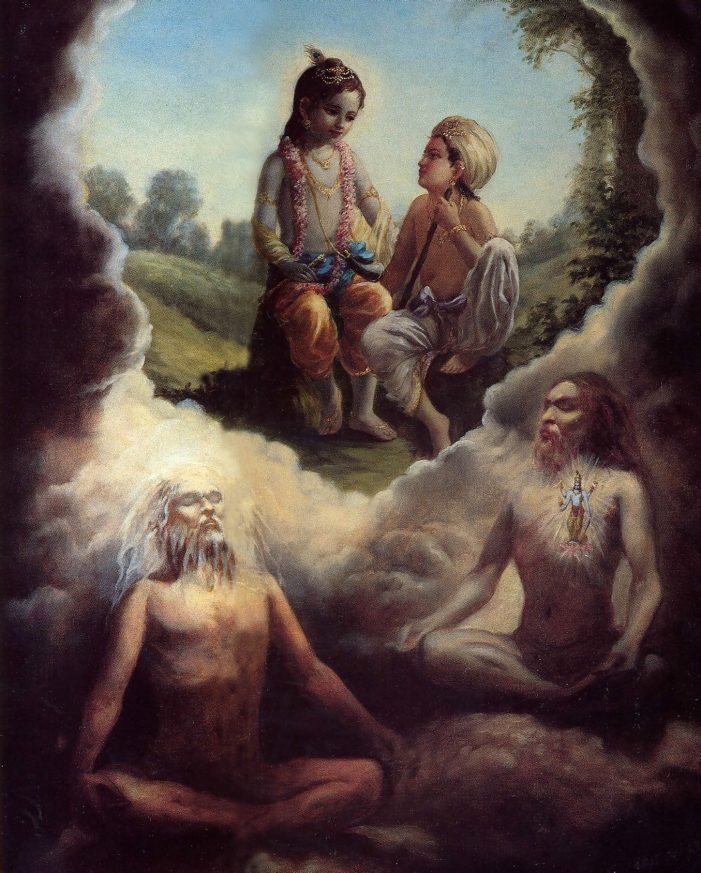
What does our father who art in heaven look like? On the ceiling of the Sistine Chapel there’s Michelangelo’s painting of God as an old man creating Adam, who, by the way, looks healthier and more handsome than God.
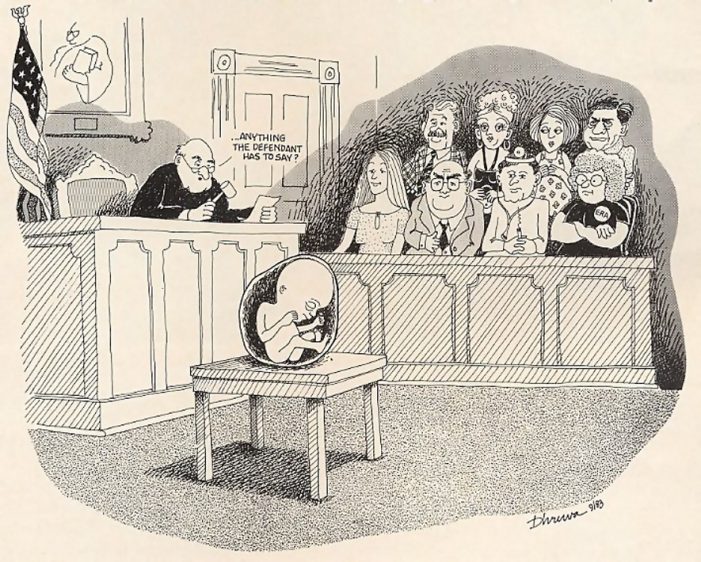
Even most pro-abortionists would agree that, biologically speaking, life begins at conception, when the sperm mixes with the ovum in one of the fallopian tubes. But the abortion debate hinges on the question not of when life begins but of when human life begins.
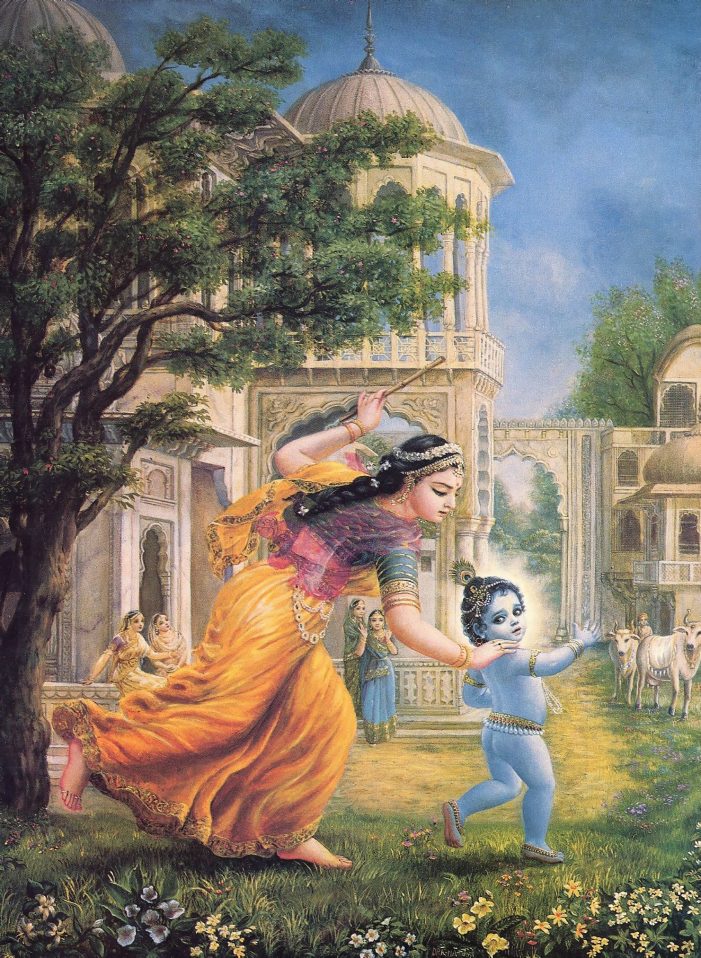
She pulls on the end of a rope wound around a wooden paddle, and the rotating paddle churns the cream. Soon the cream expands and thickens into whipped cream. Her hair loosening, the woman keeps working the rope to and fro.

A “briefing book” drawn up to help President Carter prepare for his 1980 campaign debate with Ronald Reagan allegedly found its way to the opposing camp.
The Highest Truth: When you reach it, will you see a burning bush, a pillar of fire, or a person with unlimited, all-attractive qualities?
In many countries people follow the custom of leading a procession of decorated dead body for the pleasure of the lamenting relatives and in the same way the modern trend of civilization is a patch up work of human activities for covering the perpetual miseries of material existence.
Advancement of India’s freedom movement was started by some great men like Shri Aurovindo and Mahatma Gandhi. But these gentlemen got all their inspiration from Bhagwat Gita.
Truth cannot be realized by unremitting study of the Scriptures, by passing examinations, testing scholarly knowledge, by dint of intellectual power, or by outwitting unsophisticated folk in verbal jugglery by enmeshing them in the cobweb of sophistry.

What is ego? I am pure soul, but with my intelligence and mind I am in contact with matter, and I have identified myself with matter—and this is false ego. I am pure soul, but I am identifying falsely.
Om is a manifestation of the Supreme Lord in the form of sound vibration. That is stated in the Bhagavad-gita. So, Hare Krsna and om have practically the same value, but chanting Hare Krsna is easier.
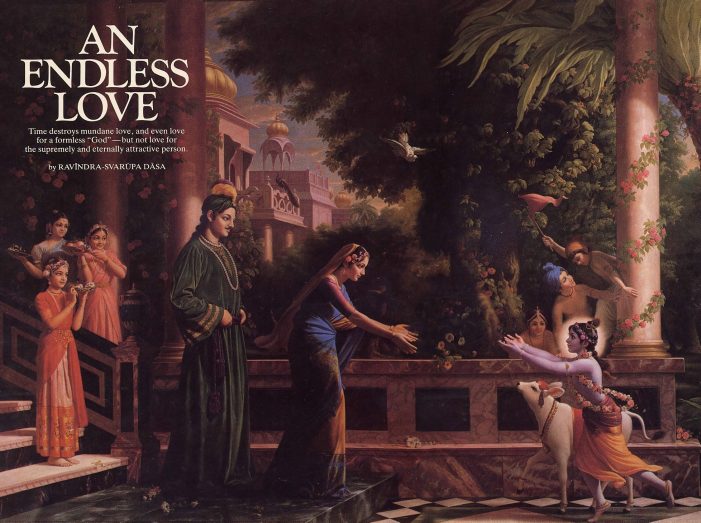
What do we do in paradise? What makes it such a desirable place to be? The dominant image of the kingdom of God I retained from childhood is of a sort of perpetual suburban Saturday spent on the back patio in an interminable family reunion with pious resurrected relatives.

From the Bhagavad-gita we learn that no matter how much or how little we spend for health care, we’re guaranteed to suffer the miseries of birth, old age, disease, and death.