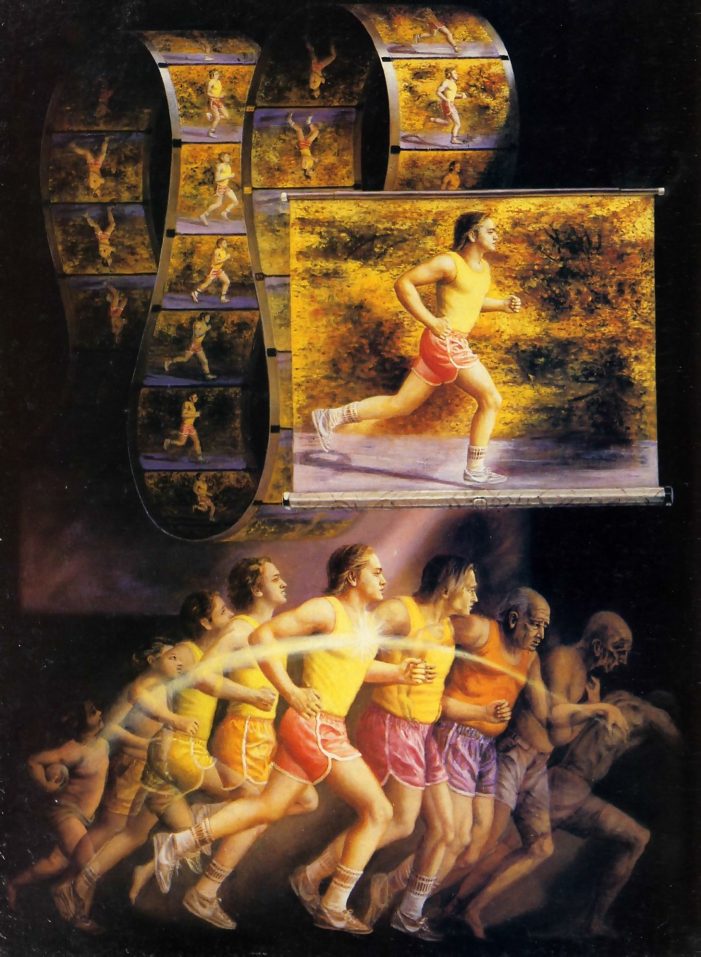
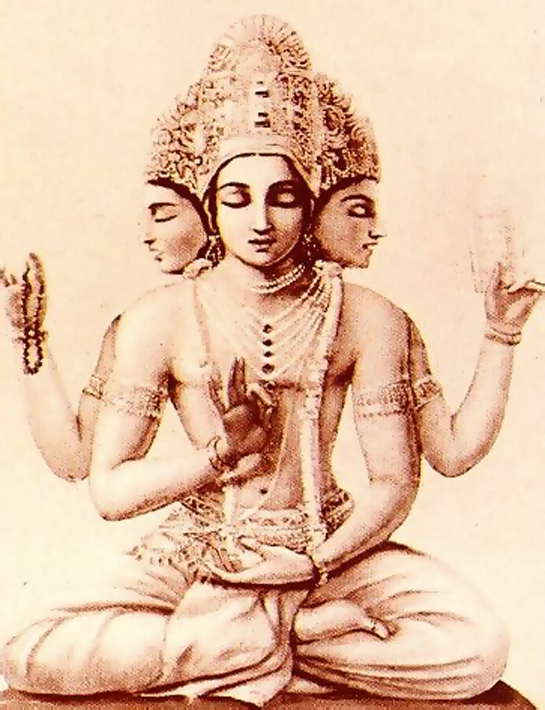
From your childhood body to your boyhood body to your youthful body, your consciousness continues. Similarly, your consciousness will carry you into another body, and that transmigration from one body to another is called death.
I do not know how much nectar the two syllables ‘Krs-na’ have produced. When the holy name of Krsna, is chanted, it appears to dance within the mouth. We then desire many, many mouths. When that name enters the holes of the ears, we desire many millions of ears.
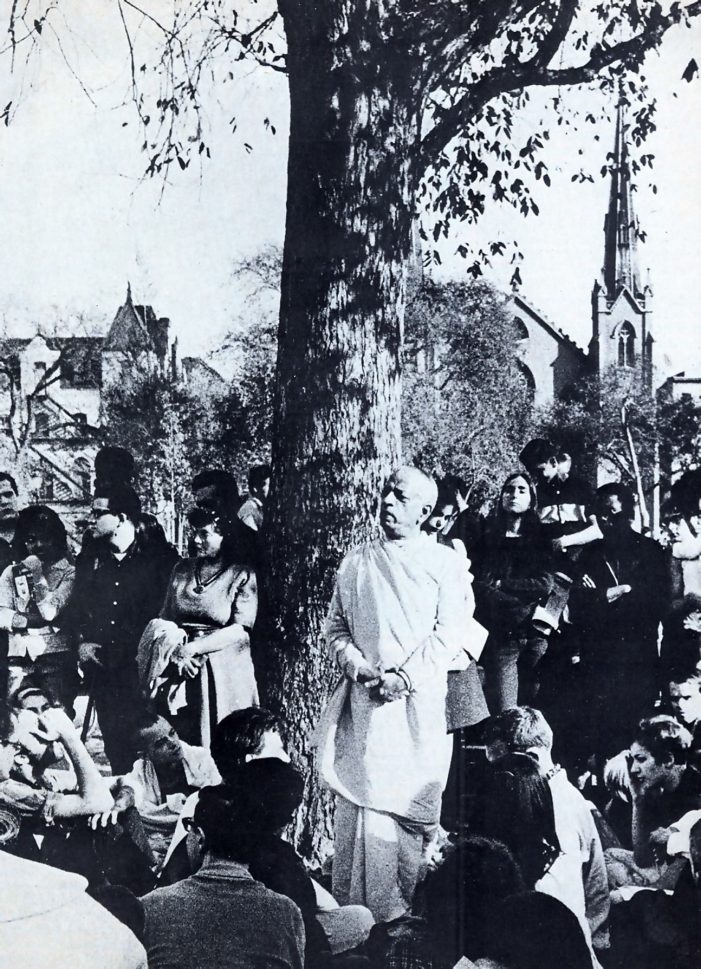
Since he started the public chanting of Hare Krsna in Washington Square Park, in the heart of Greenwich Village, Srila Prabhupada had been sending out small “parades” of devotees, chanting and playing hand cymbals through the streets of the Lower East Side.
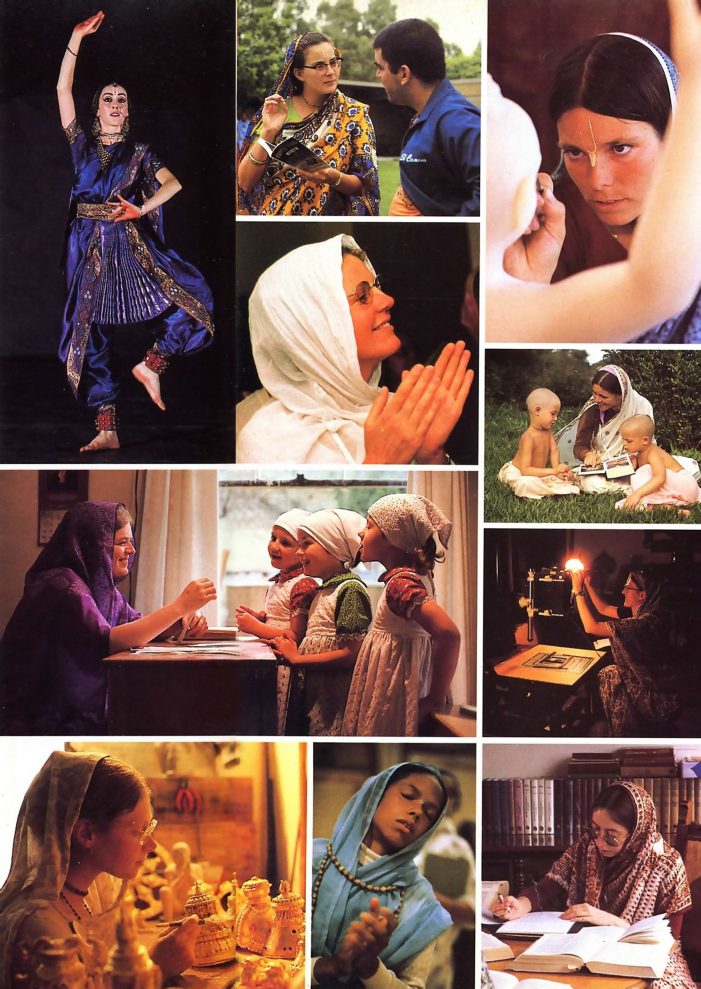
Although the women’s liberation movement may offer some worth-while proposals, it generally ignores this highest goal. But by becoming Krsna conscious, a woman is liberated in this life and the next; so Krsna consciousness is the real women’s liberation movement.
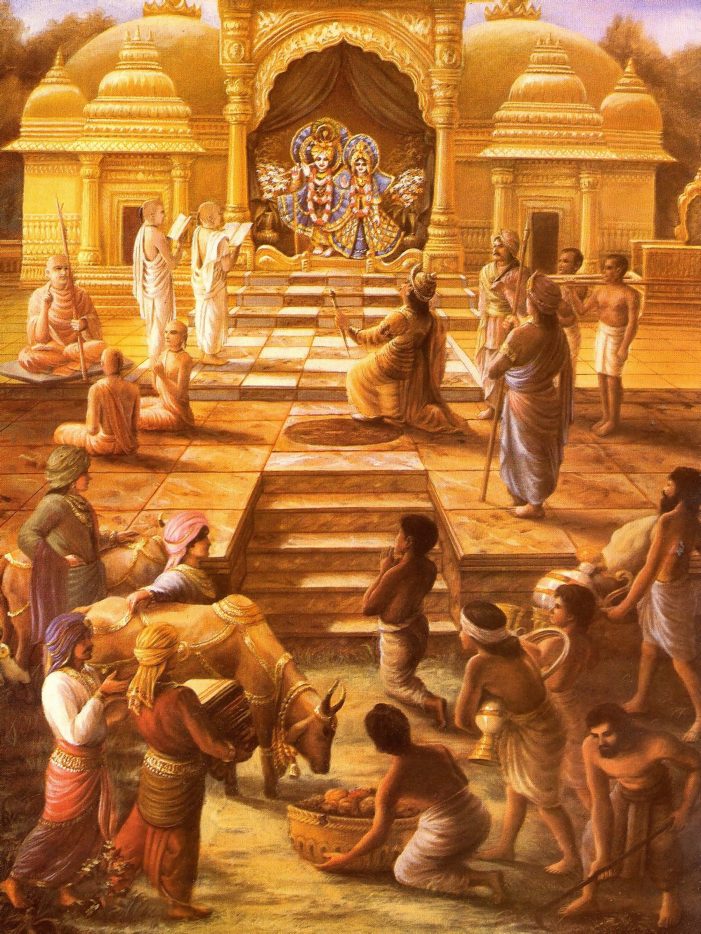
We understand business to mean “occupational duty.” According to our Vedic culture, there are different types of business. The four divisions of the social system, based on people’s qualities and types of work.
ISKCON Television shot a video of Lord Rama’s pastimes. Under the direction of Nrsimhananda dasa ITV staged an all-devotee Ramayana at the Hare Krsna movement’s New Vrindaban farm community in West Virginia.
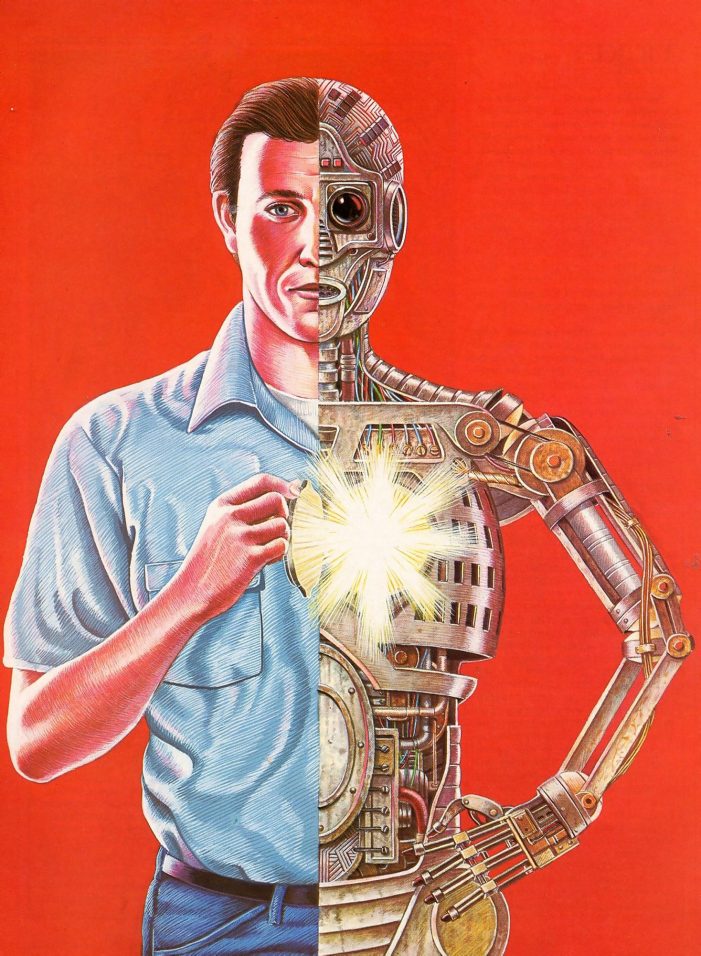
The prevailing view among modern scientists is that a human being is in essence a complex machine. According to this view, our life and consciousness have their source in the interactions of our bodily parts—neurons in the brain, organelles in the cells, and so on.
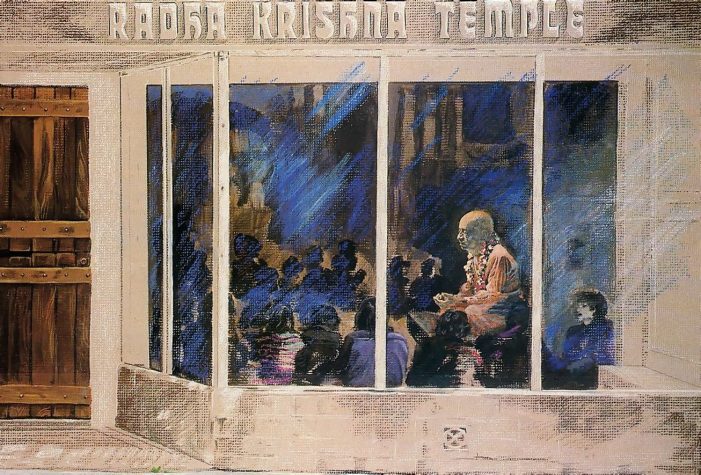
Srila Prabhupada had come to San Francisco as the hippie movement was reaching its height. He found his small temple on Frederick Street, in the heart of the Haight-Ashbury district was becoming a spiritual haven for troubled, searching, and sometimes desperate young people.
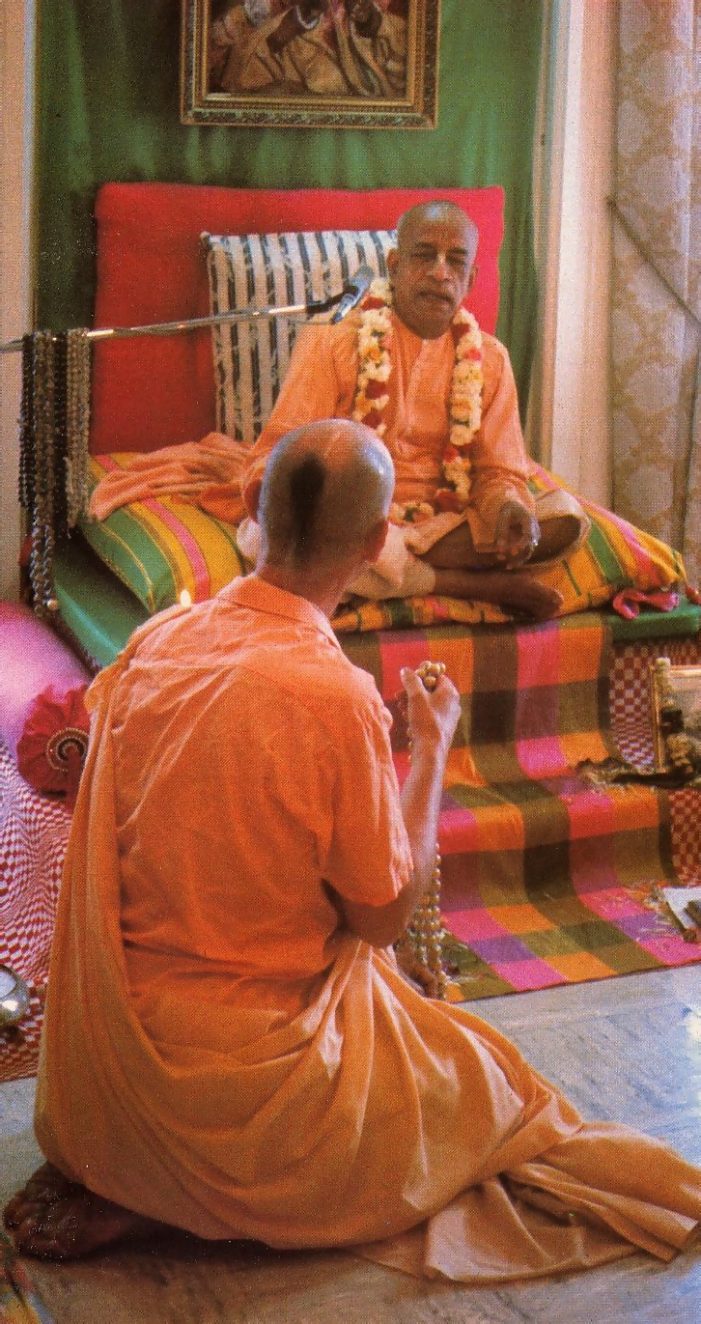
We’d rather be in the position of teacher than that of student. Submission to a teacher implies an admission that I need instruction and guidance. And this is humbling. Most of us will submit to another person for guidance only as a last resort, when all our own wisdom has failed.
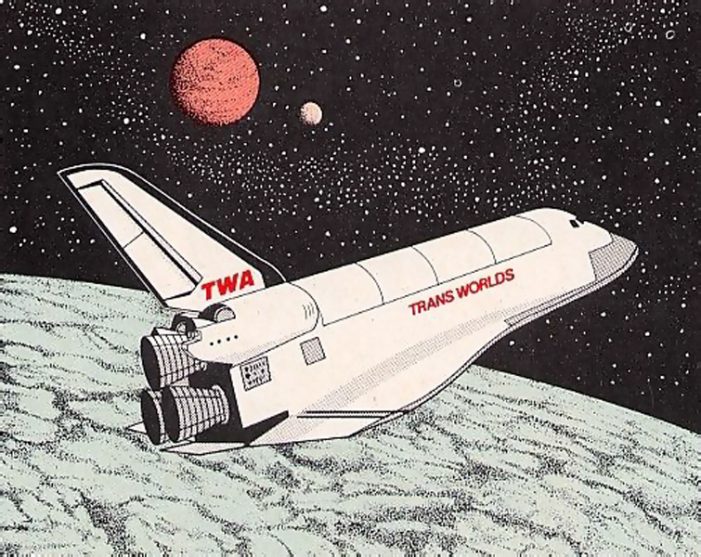
If TWA were selling tickets for a flight to a newly discovered planet where no one grew old, no one suffered disease, and no one ever died, who wouldn’t want to purchase a ticket to go there, at any cost?
You’ve been speaking at some length about the notion of the guru. According to your tradition, what is the role of the disciple? How does he deal with the guru?
Modern mechanistic science rests on the premise that reality is ultimately reducible to a simple set of mathematical equations. Such a view fails to account for two important aspects of reality: consciousness, and complex biological form.
San Francisco, 1967. Prabhupada’s temple had become an integral part of the youth scene in the Haight-Ashbury district. Now, unexpectedly, the Lord of the universe came to the temple through the agency of a local import store.
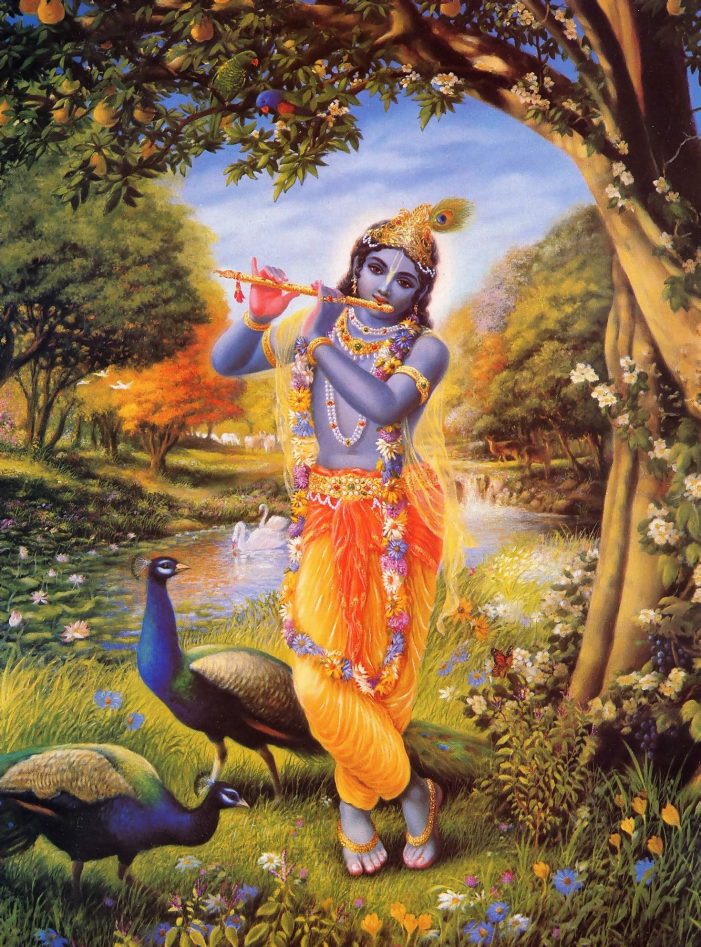
Our program is to worship Govinda, the original person, with love and devotion. This is Krsna consciousness. We are teaching people to love Krsna. That’s all.
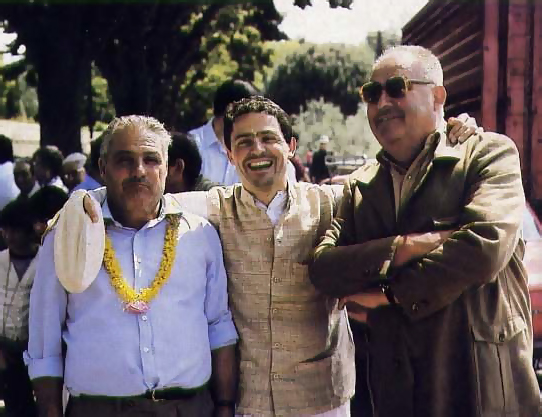
At the end of each day, after trading in his Gucci suit for a simple cotton dhoti, Marco spends the evening hours chanting Hare Krsna on beads, reading Bhagavad-gita, and speaking with visitors about the philosophy of Krsna consciousness.
Srila Prabhupada had planted the seed of Krsna consciousness in the fertile ground of New York’s Lower East Side and seen it take root and flourish. But when he came to San Francisco, his International Society for Krishna Consciousness truly began to blossom.
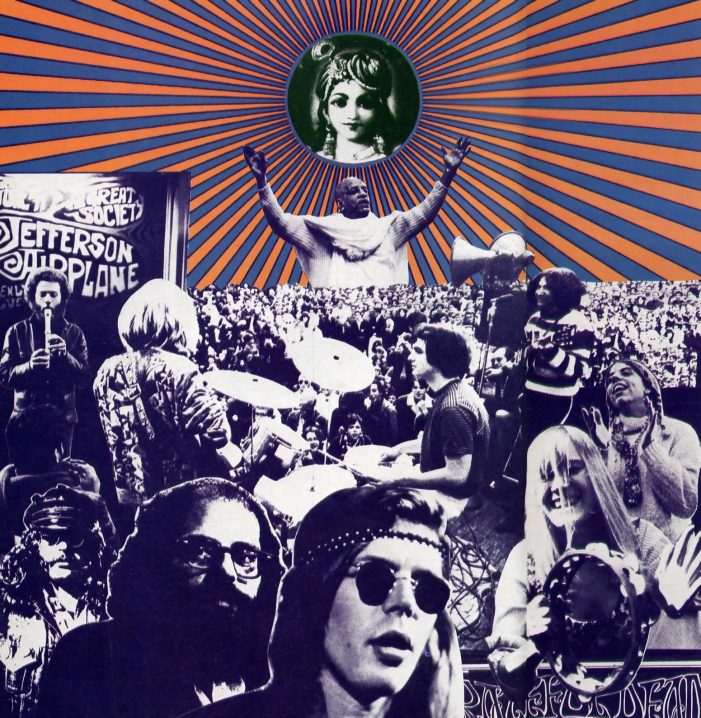
Though some of the New York disciples had objected, Srila Prabhupada was still scheduled for the Mantra-Rock Dance at the Avalon Ballroom. It wasn’t proper, they had said, for the devotees out in San Francisco to ask their spiritual master to go to such a place.
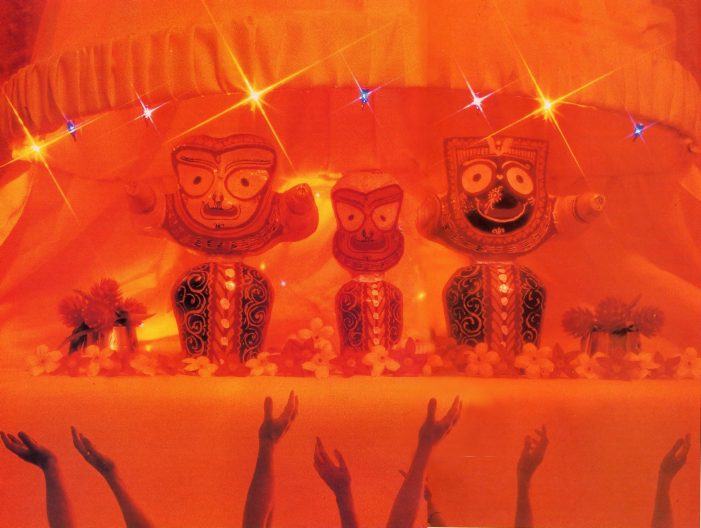
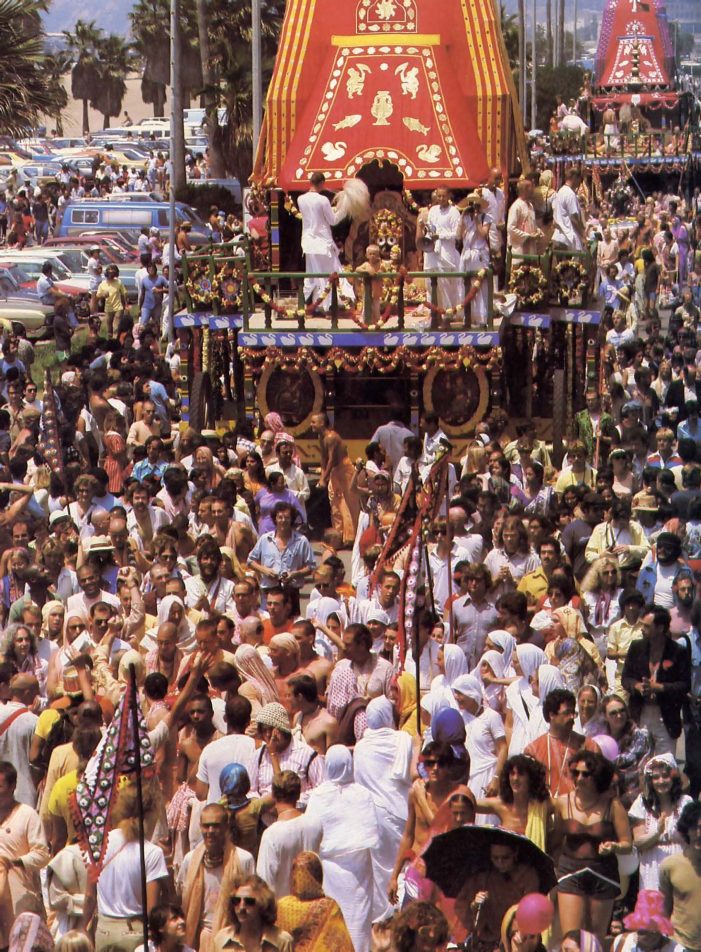
For thousands of years devotees of Lord Krsna have journeyed to Jagannatha Puri in India to take part in the annual celebration called Ratha-yatra, “The Festival of the Chariots.”