Humility by Srila Bhaktivinoda Thakura
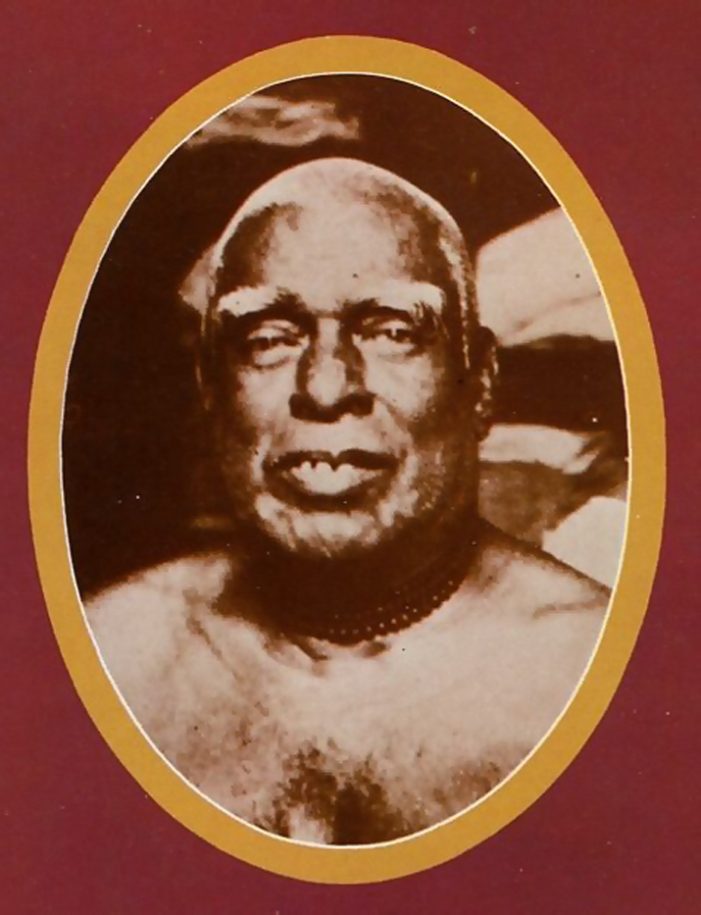
Traveling from place to place, Proud of my education, I grew wealthy and maintained my family With undivided attention. O Lord Hari, O Krsna, I forgot You!

Traveling from place to place, Proud of my education, I grew wealthy and maintained my family With undivided attention. O Lord Hari, O Krsna, I forgot You!
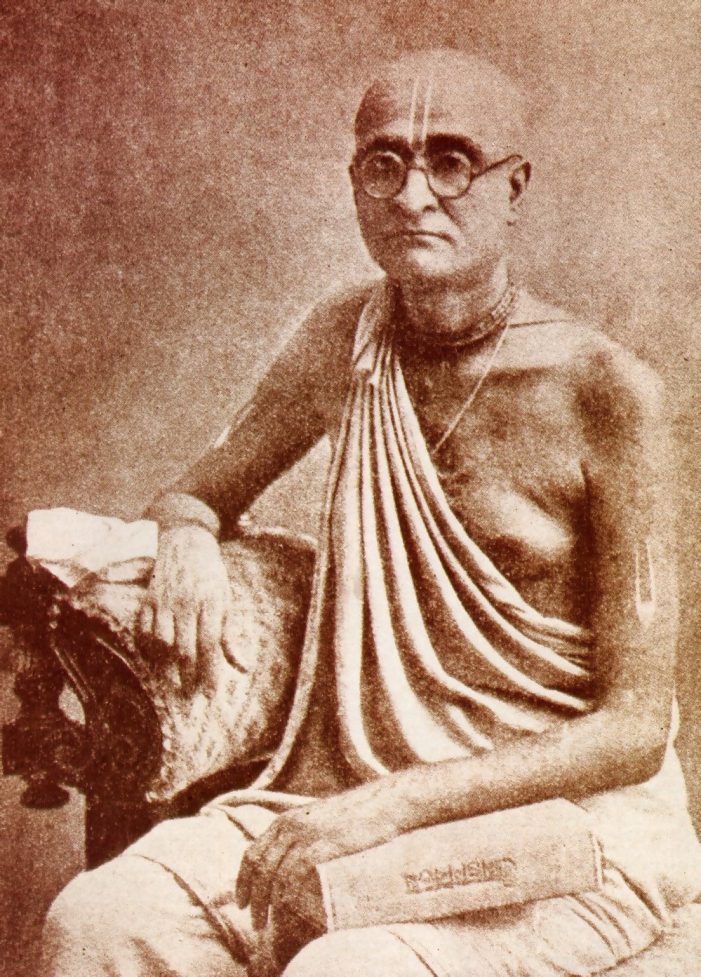
Srila Bhaktisiddhanta therefore taught that devotees should be eager to use everything possible for one central purpose: to broadcast the glories of Krsna, the Supreme Personality of Godhead.
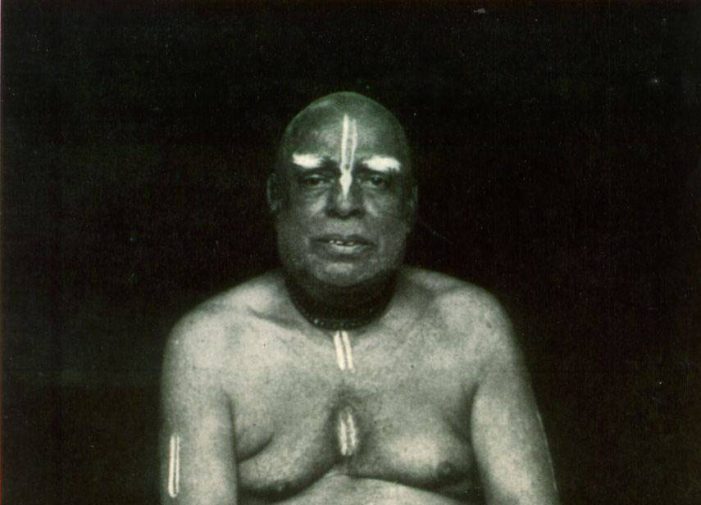
The Personality of Godhead Sree Krishna informed Uddhava that neither good works even without any desire for fruitive action, nor spiritual knowledge, nor the system of caste and creed nor the studies of scriptures, nor penances, nor even renunciation can satisfy Him, as do the devotional activities themselves.
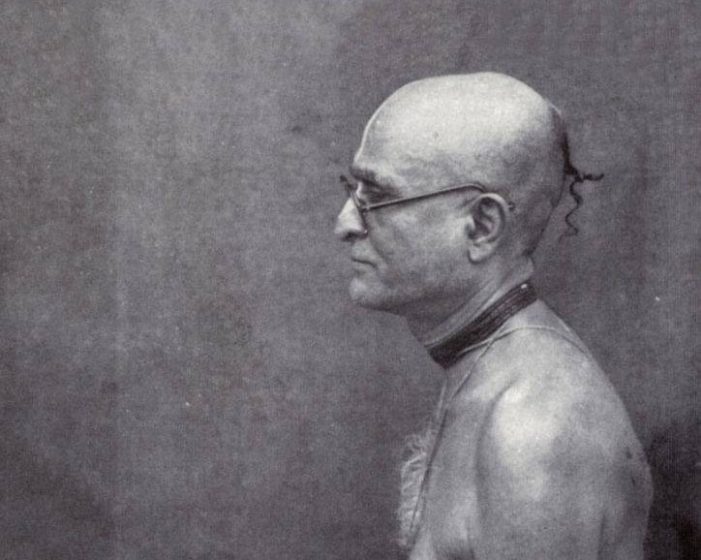
I advise all to preach the teachings of Rupa-Raghunath (disciples of Lord Chaitanya) with all energy and resources. Our ultimate goal shall be to become the dust of the lotus feet of Sree Sree Rupa and Raghunath Goswamins. You should all work conjointly under the guidance of your spiritual master with a view to serve the Absolute Knowledge, the Personality of Godhead.
How To Tell the Difference Between the Cheaters and the Teachers There have always been cheaters posing as gurus. Many thousands of years ago, the demon Ravana dressed himself as a svami to win an audience with Sita, the wife of Lord Ramacandra (an incarnation of Lord Krsna). Ravana kidnapped Sita, but Lord Ramacandra killed […]