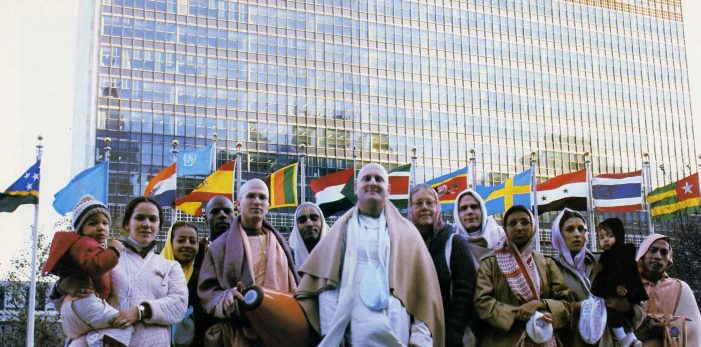
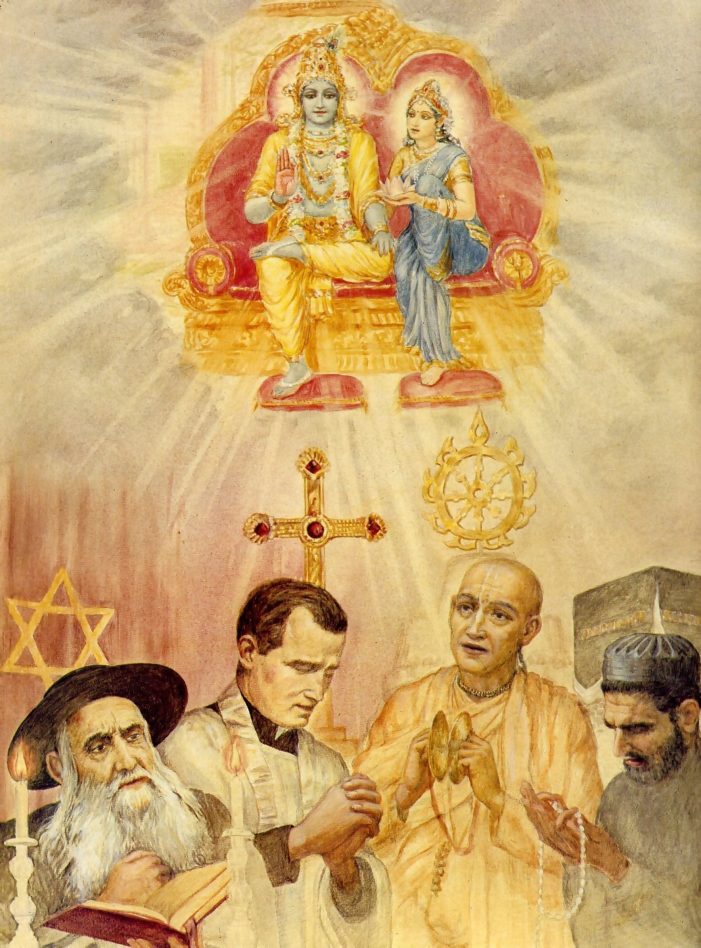
As far as the Krsna conscious movement is concerned, there is really no such thing as East and West. For instance, the sun rises from the eastern horizon and sets on the western horizon, but the sun is the same. You cannot say “the eastern sun and “the western sun.”
In the laws of nature there are no mistakes. In railway cars there are first-class and second-class sections. If you purchase a second-class ticket but by mistake go to the first-class section, you will not be allowed to stay there. It is not a mistake: that is the arrangement.
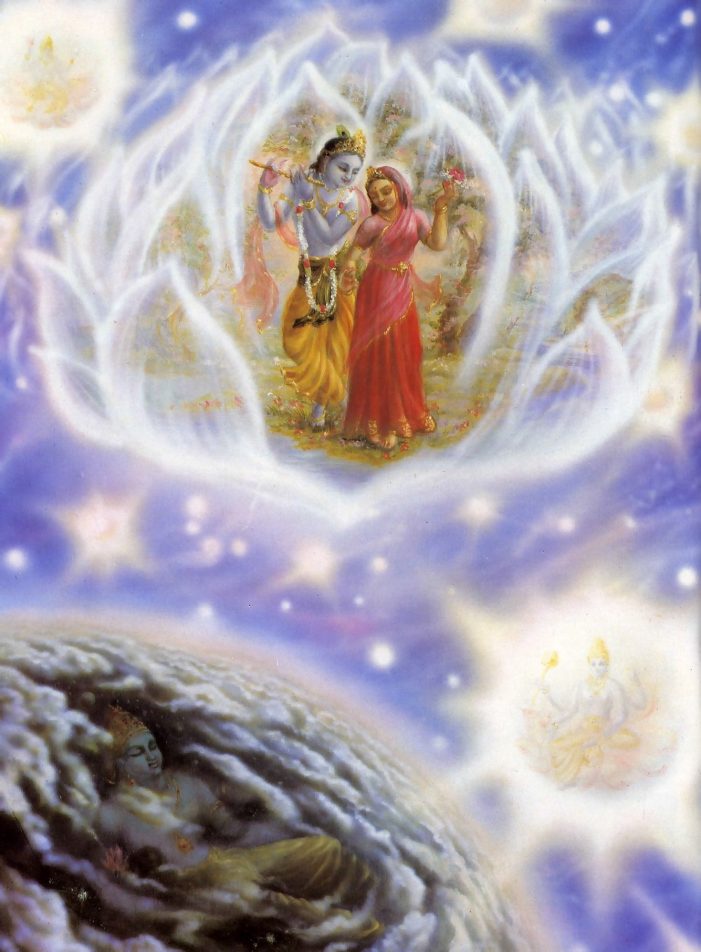
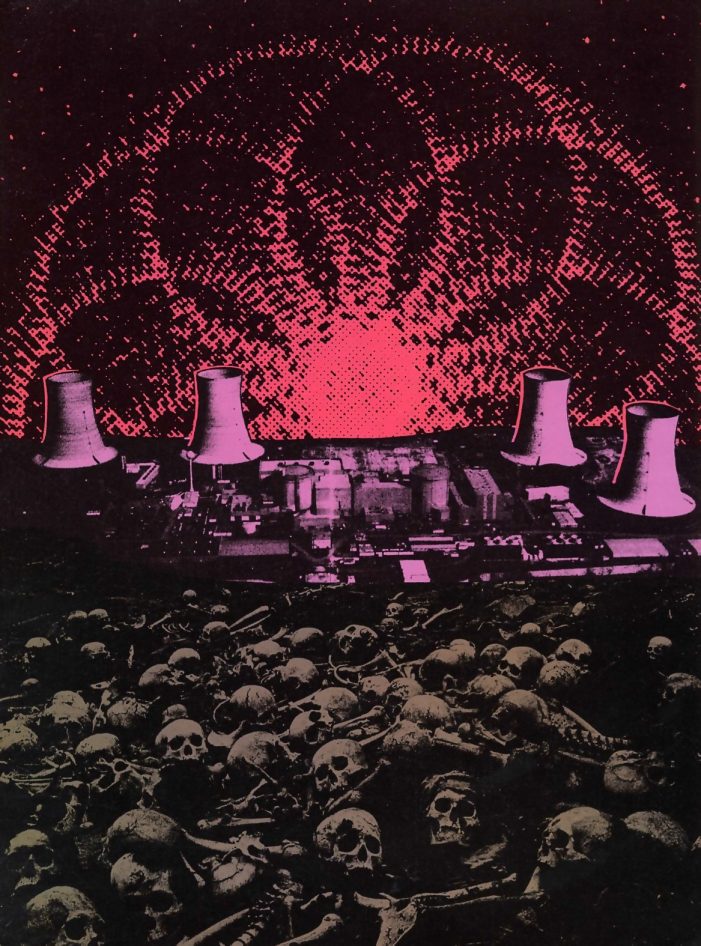
The material world appears like a cloud covering a small portion of the spiritual sky. The Vedic scriptures explain that although the material world undergoes perpetual creation and annihilation, the spiritual world is eternally manifest.
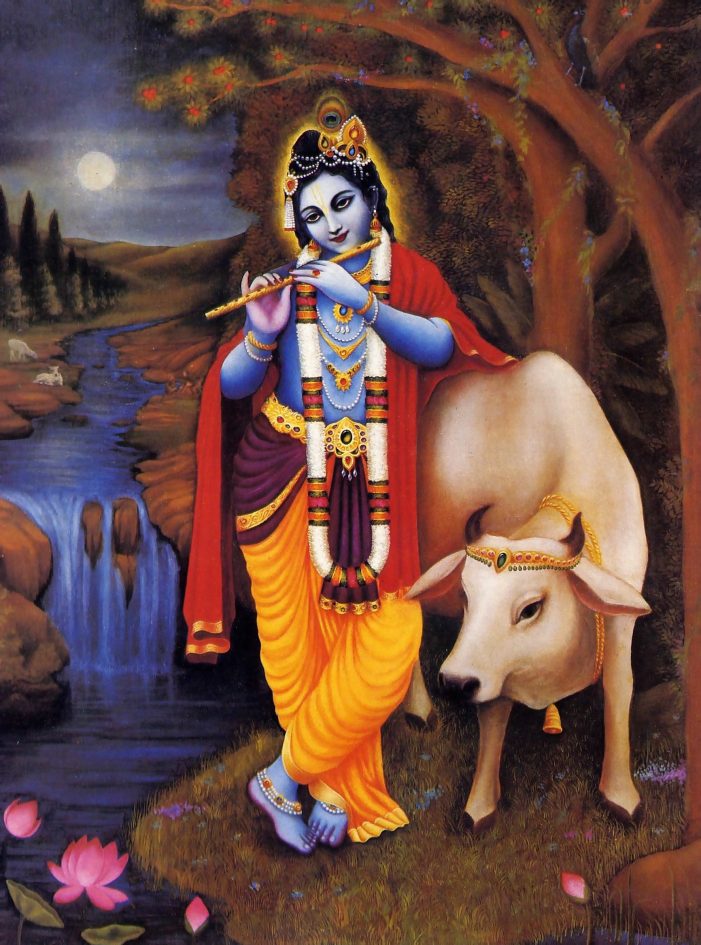
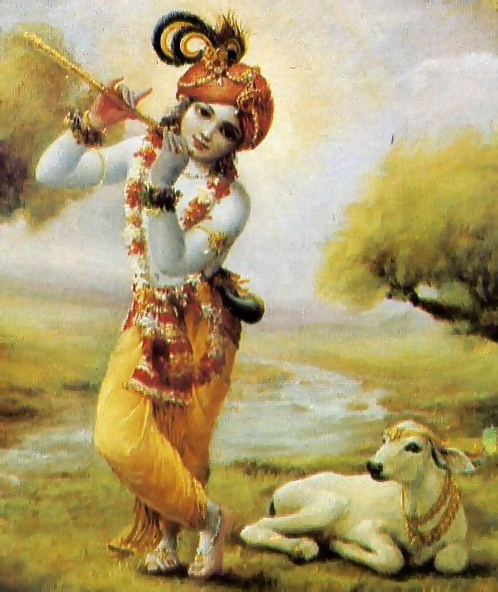
Hindus all over India celebrate Sri Krsna Jayanti (the anniversary of Lord Krsna’s appearance) as a religious function every year. We have experience that sometimes non-Hindus, out of a deep respect for Lord Sri Krsna, also celebrate the ceremony of Lord Krsna’s Jayanti.
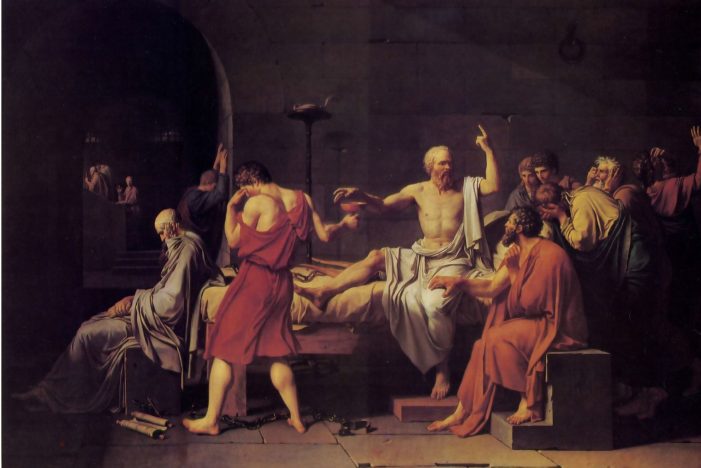
Socrates faces his death calmly and without fear, an attitude he said was but proper for a philosopher who is interested only in the care of his soul and is unaffected by bodily conditions.
“Oh, why shall I hear from him? I can think. I can speculate. I can manufacture something new in my own circle of friends.” This is nonsense. This is not the Vedic process. The Vedic process is hearing.
you can use the car for reaching people with the message of Krsna consciousness. You can use everything for Krsna. That is what we teach. If there is a nice car, why should I condemn it? Utilize it for Krsna: then it is all right.
The pure consciousness, the soul, does not need to have a material body. For instance, when you are dreaming, you forget your present body, but still you remain conscious.
The Supreme Personality of Godhead appeared on earth 500 years ago in the form of Lord Caitanya who is God Himself playing the role of a devotee of Godhead.
We say to the scientists. “Don’t waste time trying to make life. Try to make your life better. Try to understand what your actual spiritual identity is, so that you may become happy in this lifetime. This research should be done.
The Vedic literatures give information about what the living entity’s eternal relationship with Lord Krsna is, how the living entity can revive this relationship and act accordingly, and how he will live when he has returned home, back to Godhead—which is the ultimate goal of life.
How have they created anything? They take the sand and mix it with some chemicals and make glass. They have not created the sand or the chemicals, they have taken them from the earth. How have they created anything?
Last night you had some dream, but now it has no value. It is gone. And again, tonight when you sleep, you’ll forget all these things and dream. You won’t remember, when you are dreaming tonight, “I’ve got my house; I’ve got my wife.” You’ll forget it all. So all of this is a dream.
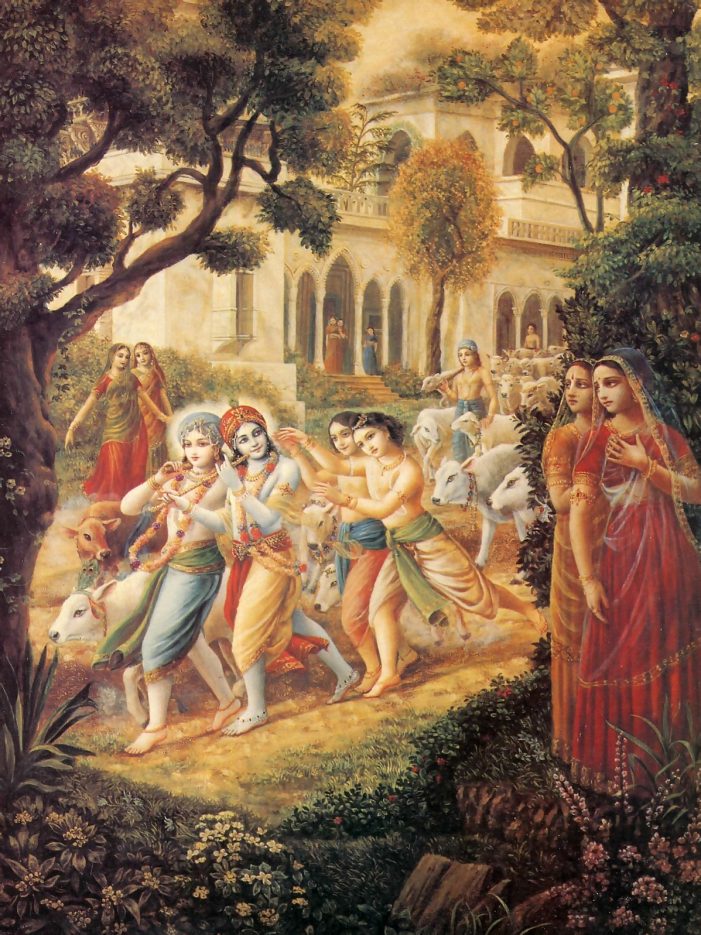
A young cowherd boy appeared before Madhavendra Puri and offered him a pot of milk. That boy was none other than Krishna, the Supreme Personality of Godhead.
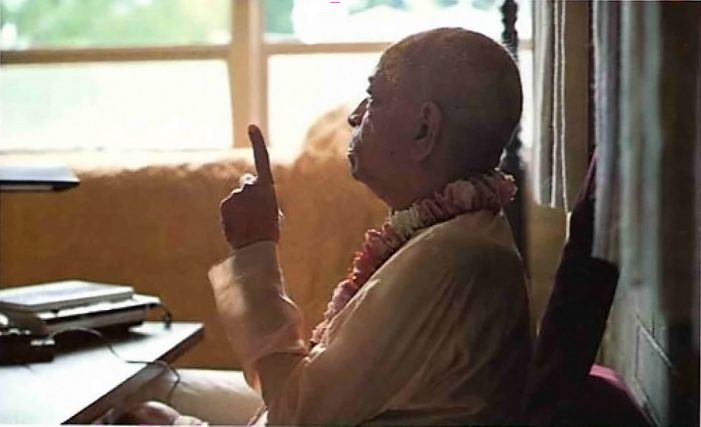
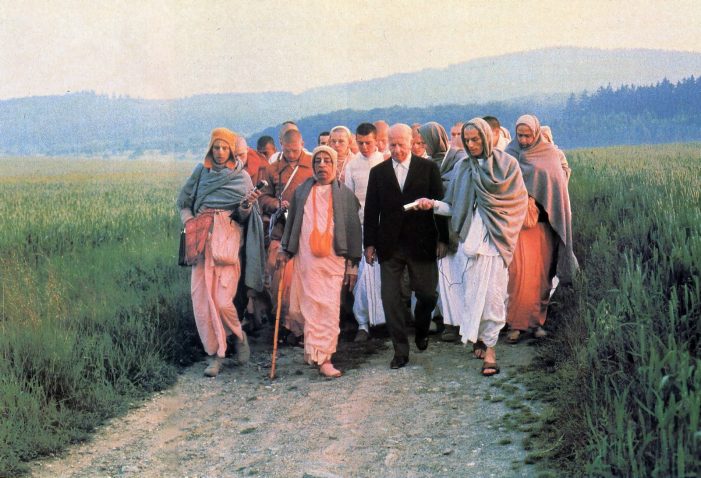
Prabhupada arrived in Gainesville, calling it a remote corner of the world, thousands of miles from the birthplace of Lord Caitanya, to speak at the University of Florida. The local TV station arranged for this interview.