The Experience of Dying
For the successful transcendentalist entering the spiritual world, death is a glorious experience. For the sinful person, however, death is ultimately a painful and horrifying passage into a hellish life of suffering.
For the successful transcendentalist entering the spiritual world, death is a glorious experience. For the sinful person, however, death is ultimately a painful and horrifying passage into a hellish life of suffering.
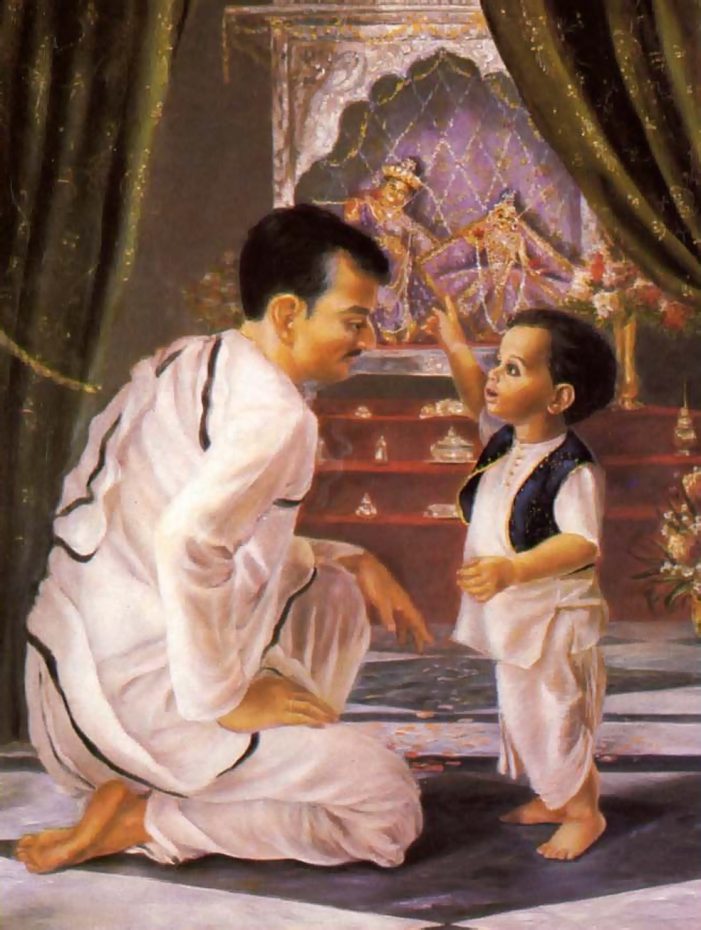
An astrologer did a horoscope for the child, and the family was made jubilant by the auspicious reading. The astrologer made a specific prediction: When this child reached the age of seventy, he would cross the ocean, become a great exponent of religion, and open 108 temples.
There is a great need to distribute Krsna’s message. So a devotee can go on enthusiastically, even if not appreciated by the public, because he knows that by spreading Krsna’s message he pleases Krsna and works for the greatest benefit of all people.
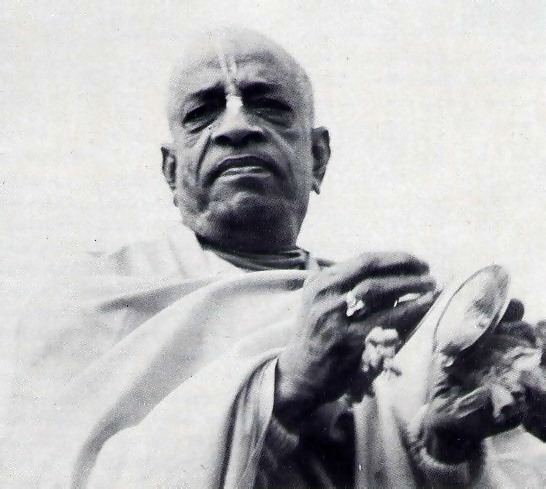
During the two months spent at 26 Second Avenue, Srila Prabhupada had achieved what had formerly been only a dream. He now had a temple, a duly registered society, full freedom to preach, and a band of initiated disciples.
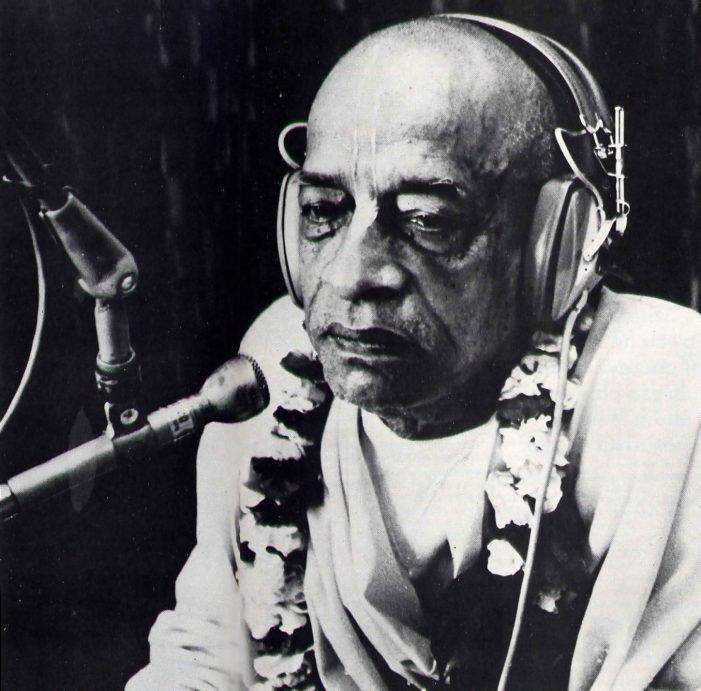
On a small press Srila Prabhupada’s disciples printed the first BACK TO GODHEAD magazine, one hundred copies, and then distributed them by bicycle.
The Vedic literature explains the power of chanting God’s name in the story of Ajamila, a great sinner who at the time of his death called out the name of God and was immediately purified of all sinful contamination.
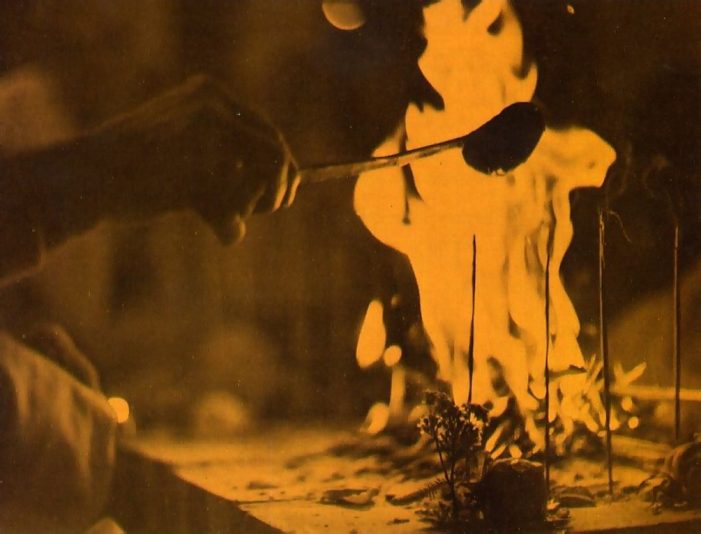
Shortly after founding the first Krsna conscious temple in the West, Srila Prabhupada organized the first Vedic marriage ceremony, replete with fire sacrifice, garlands, exotic foods, and an intimation of the worldwide mission soon to follow.
A regular occurrence around here is that each year the local newspaper carries an article commending us for our hard work and decency but condemning us for not being Christians. We always answer the criticism, and the paper prints our reply.
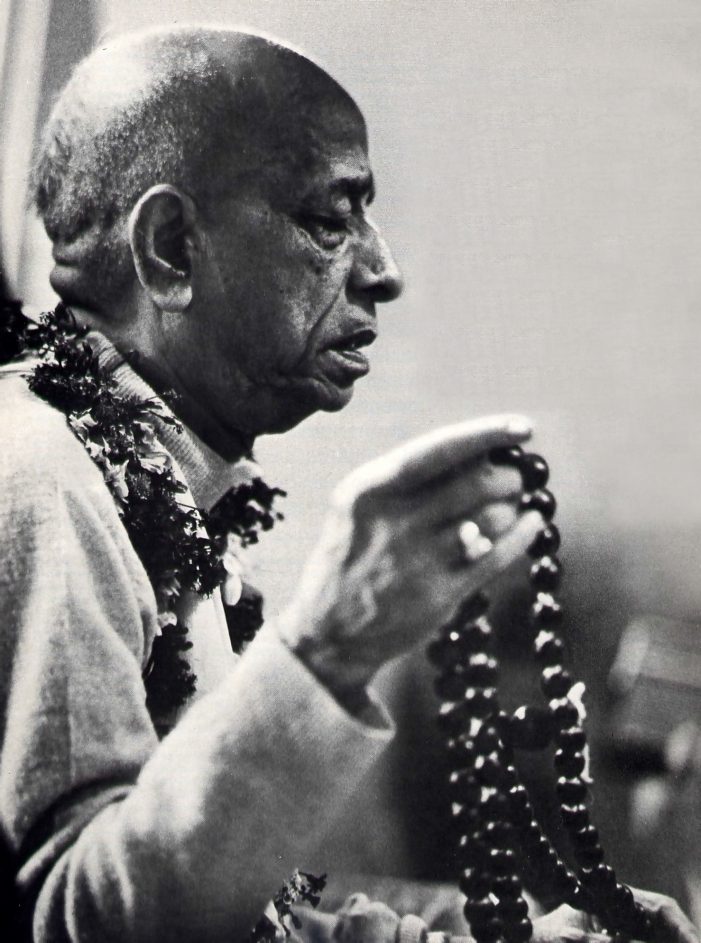
Prabhupada announced that he would soon hold an initiation. “What’s initiation, Swamiji?” one of the boys asked, and Prabhupada replied, “I will tell you later.”
While telling about Lord Caitanya’s universal sankirtana movement of chanting God’s holy names, Srila Prabhupada would explain that Christians could also take part by chanting the name of Jesus Christ.
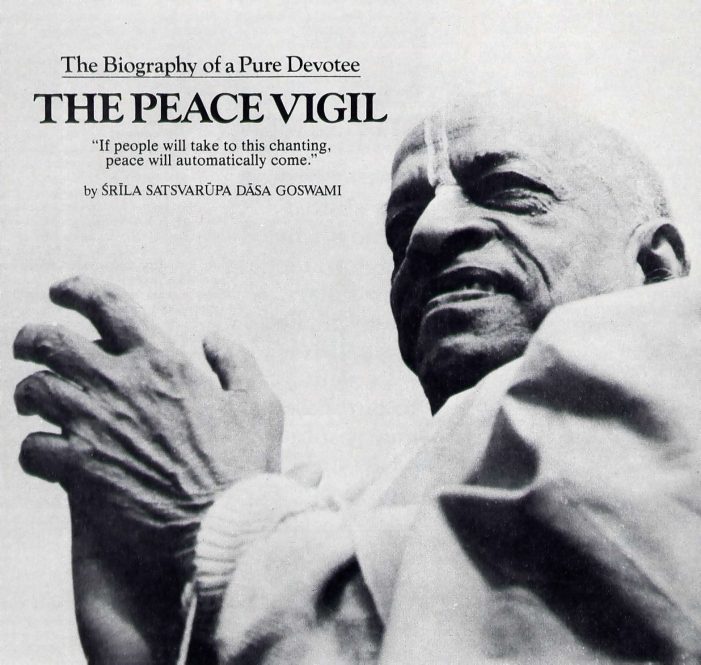
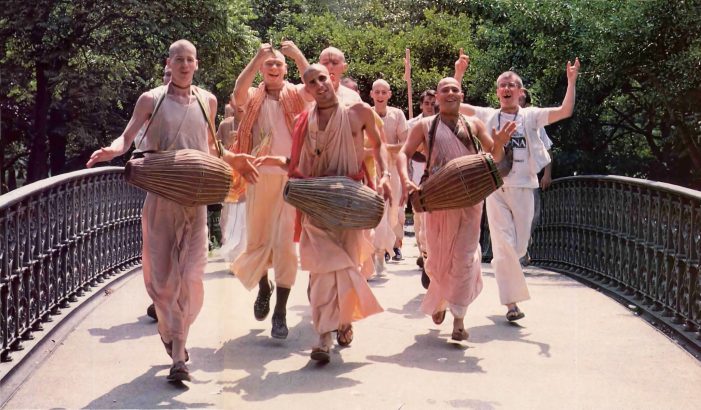
The ’60s proved a fertile field for Prabhupada’s planting the seeds of Krsna consciousness in the West. Now the intensifying war in Vietnam, bringing forth a widespread clamor for peace, provided him an opportunity to present Krsna consciousness as the real peace formula.
Walking in the early morning, I see the tower of the Madana-mohana temple in my path. The village of Vrndavana is still dark. I enter the Yamuna’s waters, and downriver I hear the sadhus’ carefree cries. Chanting and singing, they sound as though they have nothing to lose.
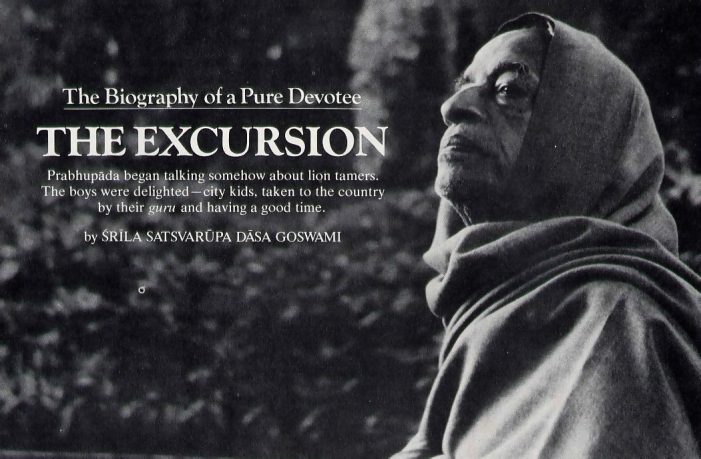
The small storefront temple at 26 Second Avenue had begun to thrive. Srila Prabhupada, by his chanting, his strong preaching, his delicious meals of prasadam, but most of all by his transcendental loving personality, had attracted a few sincere followers.
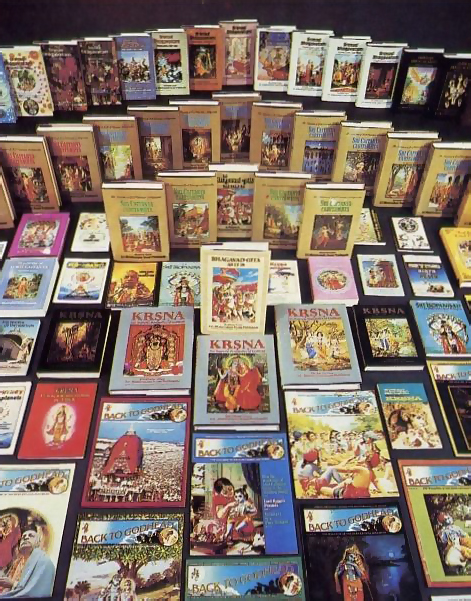
There were predictions that after his disappearance the movement and teachings he had established would soon fall apart. Now it is three years later, and Srila Prabhupada’s unique contributions are still flourishing.
Americans have been described as a people in search of a history. Though the great achievements of this country are undeniable, it is a peculiar American trait to be insecure about the historical significance of the nation when it is compared with the older European cultures.
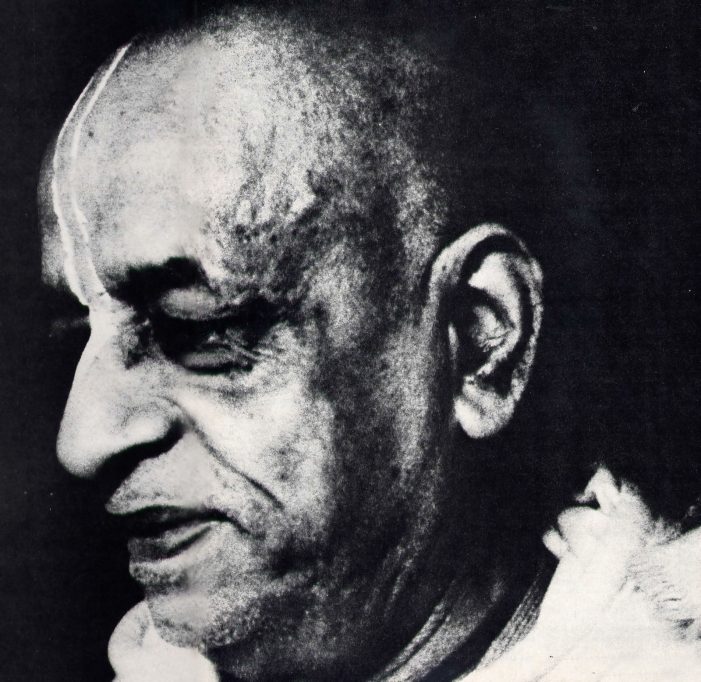
“The Swamiji doesn’t want anyone smoking pot here.” Don denied it: “I have not been smoking. You are not speaking the truth.” The boy then reached into Don’s shirt pocket and pulled out a joint, and Don hit him in the face.
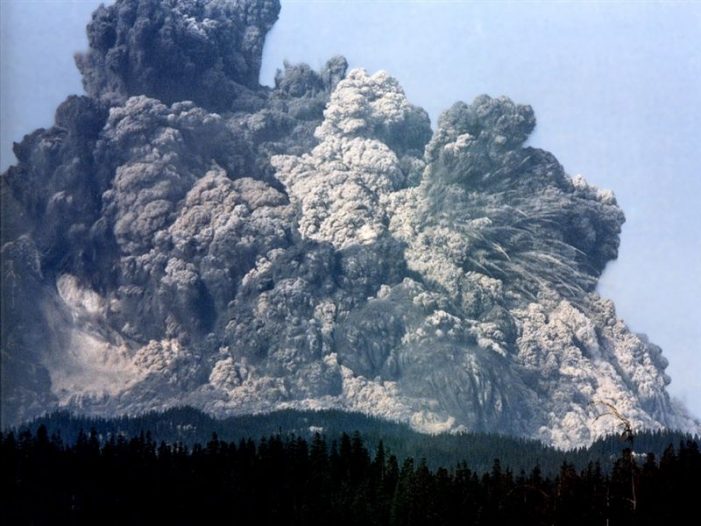
The media’s complete coverage of the Mount St. Helens volcano completely avoided seriously considering the cataclysm’s ultimate cause. Photographers in airplanes hovered over the mountain, taking sensational news photos of the blast, officials tallied the loss of life and money.
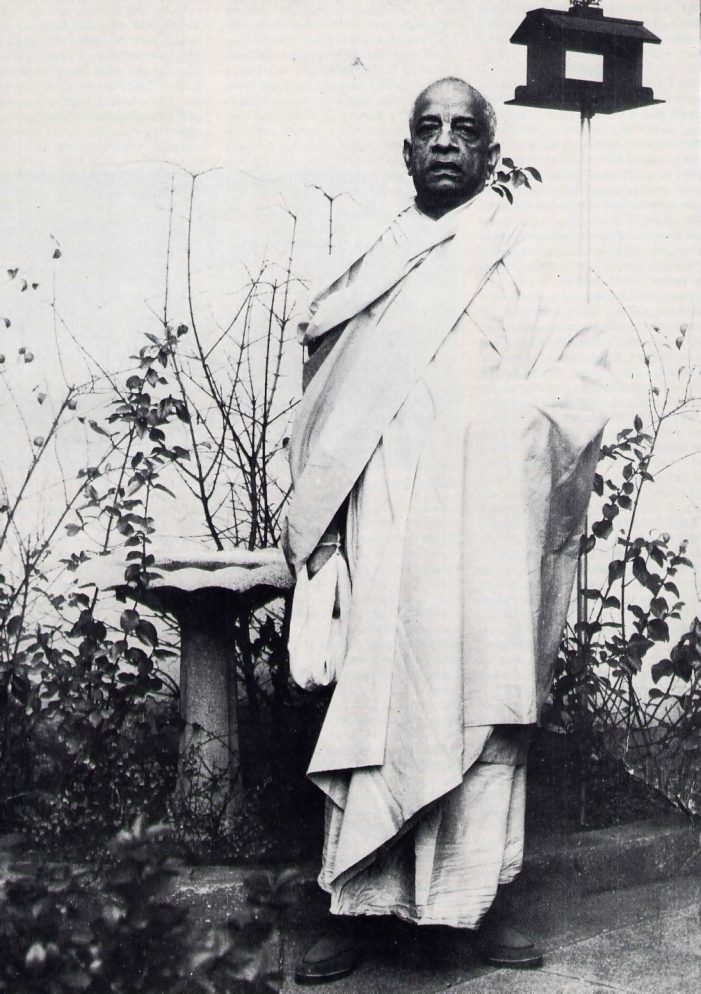
He was maestro of the chanting, head of the kitchen, and spiritual father to a band of wild, candid young Americans.
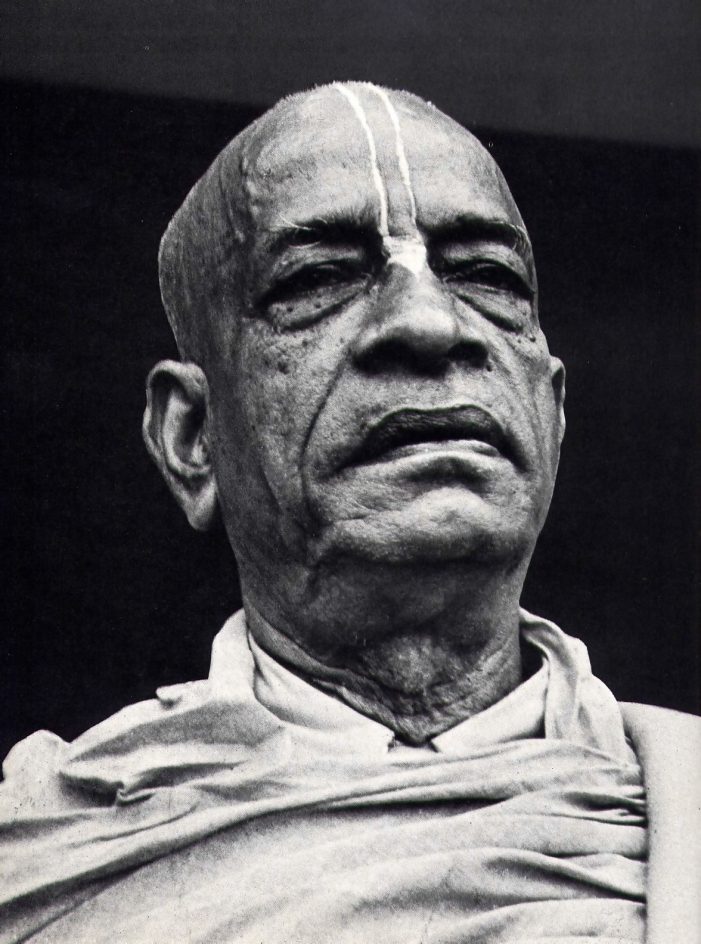
1966: The Lower East Side, New York. The building was humble, the membership small, yet Srila Prabhupada’s vision encompassed the whole world.
In human society those persons who are materially engrossed, being blind to the knowledge of ultimate truth, have many subject matters for hearing.